Pizza Hut managers face pressure as fragmented tech hurts operations
Pizza Hut’s digital boom is now an operations test: if systems don’t talk, crews absorb the delays, remakes and labor strain.
Pizza Hut’s real fight is no longer just winning the order. It is turning digital demand into a fast, accurate handoff without burying the crew in extra screens, extra training, and extra remakes. QSR Magazine’s latest analysis says the brands that win are the ones whose technology keeps the kitchen moving when the menu gets hot, and that is exactly where pressure is building inside Pizza Hut.
The operation, not the menu, decides the outcome
The QSR argument is simple but unforgiving: a strong item can pull traffic in, but a store still loses if it cannot fulfill that demand quickly, accurately, and profitably. During the pandemic, restaurants stacked online ordering, kiosks, delivery integrations, and pickup systems onto older infrastructure, and many of those quick fixes became permanent. The result is a fragmented stack that may not show up as one neat line on a profit-and-loss statement, but it shows up everywhere else: in training, kitchen flow, order accuracy, and labor pressure.
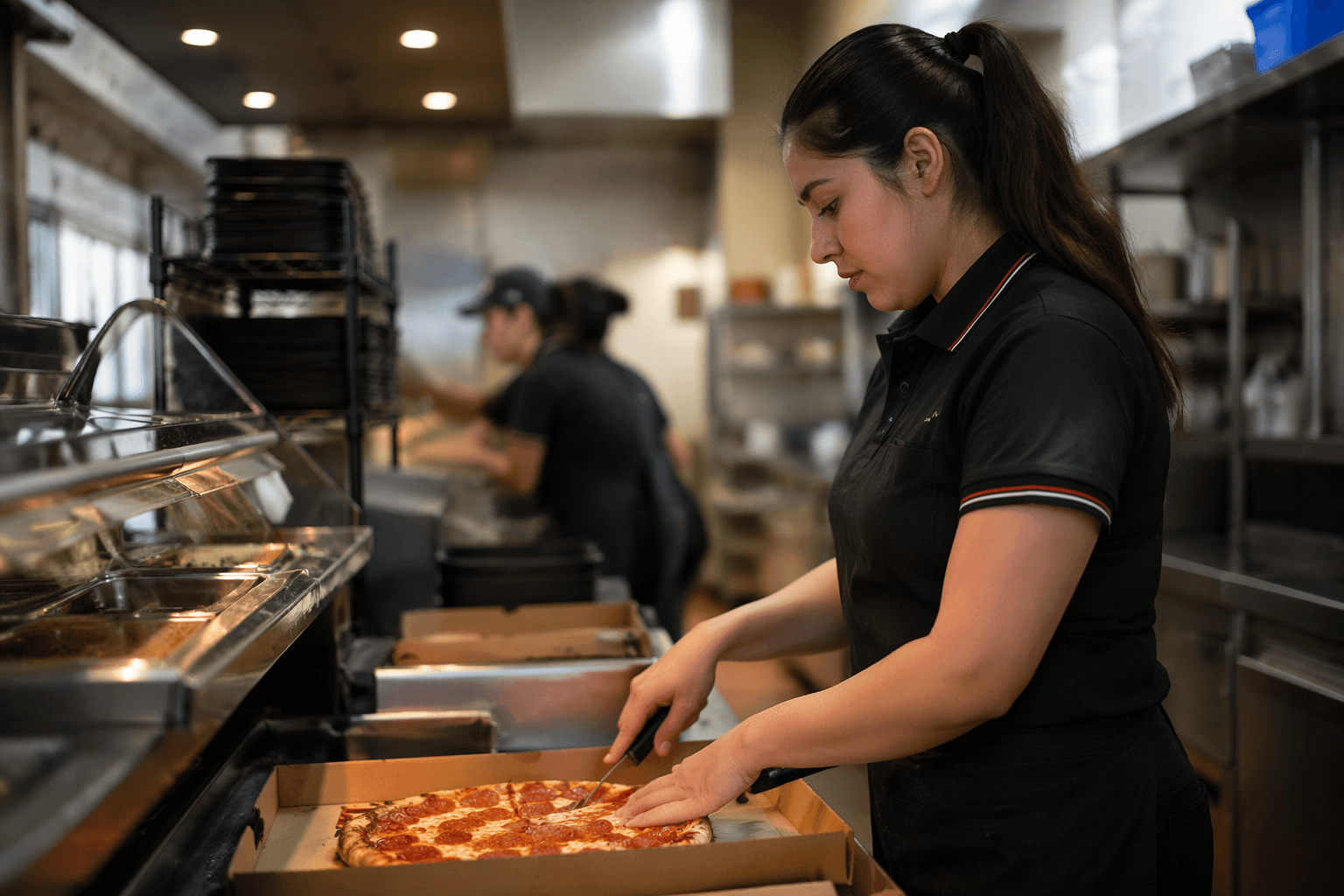
That matters on the floor because the people carrying the load are the ones making pizzas, answering phones, staging bags, and dispatching drivers. A poorly connected system creates more manual work at the exact moment stores are trying to move faster. For managers, that means the core question is not whether a new tool exists, but whether it reduces chaos during rushes, speeds onboarding, and gives the team a cleaner way to execute.
QSR’s example of Jack in the Box shows why that matters. The company upgraded 2,100 restaurants in 15 months, then saw kiosk check averages rise 16 percent while training time fell by more than half. That is the kind of system-level payoff operators are chasing, because the technology is not just a customer-facing feature. It is a labor tool, a training tool, and a throughput tool all at once.
What fragmented systems feel like inside a Pizza Hut
For Pizza Hut crews, fragmented technology turns into a daily friction point. A ticket can come in through the app, a kiosk, a delivery platform, or pickup, and if those channels do not line up cleanly, the store pays for it in rework and stress. That is especially painful during dinner rushes, when one missing modifier or one delayed order can ripple across the whole line.
Drivers feel that pressure too. When handoffs are clunky, a driver sits longer, loses time on the road, and gets squeezed by the same delivery expectations that customers have learned from DoorDash and Uber Eats. Kitchen staff feel it in the form of inconsistent tickets and the stress of juggling too many screens or channels, while managers feel it in labor decisions that get tighter every time the system creates avoidable waste.
The bigger cultural point is that technology has become part of labor management. A store with cleaner data and fewer handoffs is easier to staff, easier to train, and easier to keep calm under peak volume. A store with fragmented tools ends up asking frontline workers to absorb the difference.
Pizza Hut is already betting on integration
Pizza Hut’s own disclosures show that the brand understands the stakes. Yum! Brands said in its 2024 annual report that Pizza Hut U.S. migrated to the Byte Kitchen & Delivery platform, which improved retention rates and consumer experiences, including up to a five-minute reduction in delivery time. Yum! also said systemwide digital sales rose about 15 percent in 2024 and digital mix surpassed 50 percent, which means digital is no longer a side channel. It is the business.
Byte by Yum! matters because it is not just an ordering app. Yum! described it as an integrated AI-driven ecosystem that covers mobile app and web ordering, point of sale, kitchen and delivery optimization, menu management, inventory and labor management, and team-member tools. For managers, that kind of integration can reduce the number of places where an order can break down. For crews, it can mean fewer manual fixes, fewer duplicate tasks, and less time spent translating one system into another.
Pizza Hut itself said in January 2025 that more than half of its worldwide transactions come from digital orders. That makes the quality of the tech stack a frontline issue, not an IT issue. If the system slows down, the store feels it immediately in wait times, remake pressure, and the kind of labor strain that can turn a busy Friday into a bad shift.
Plano is a live test of what faster operations look like
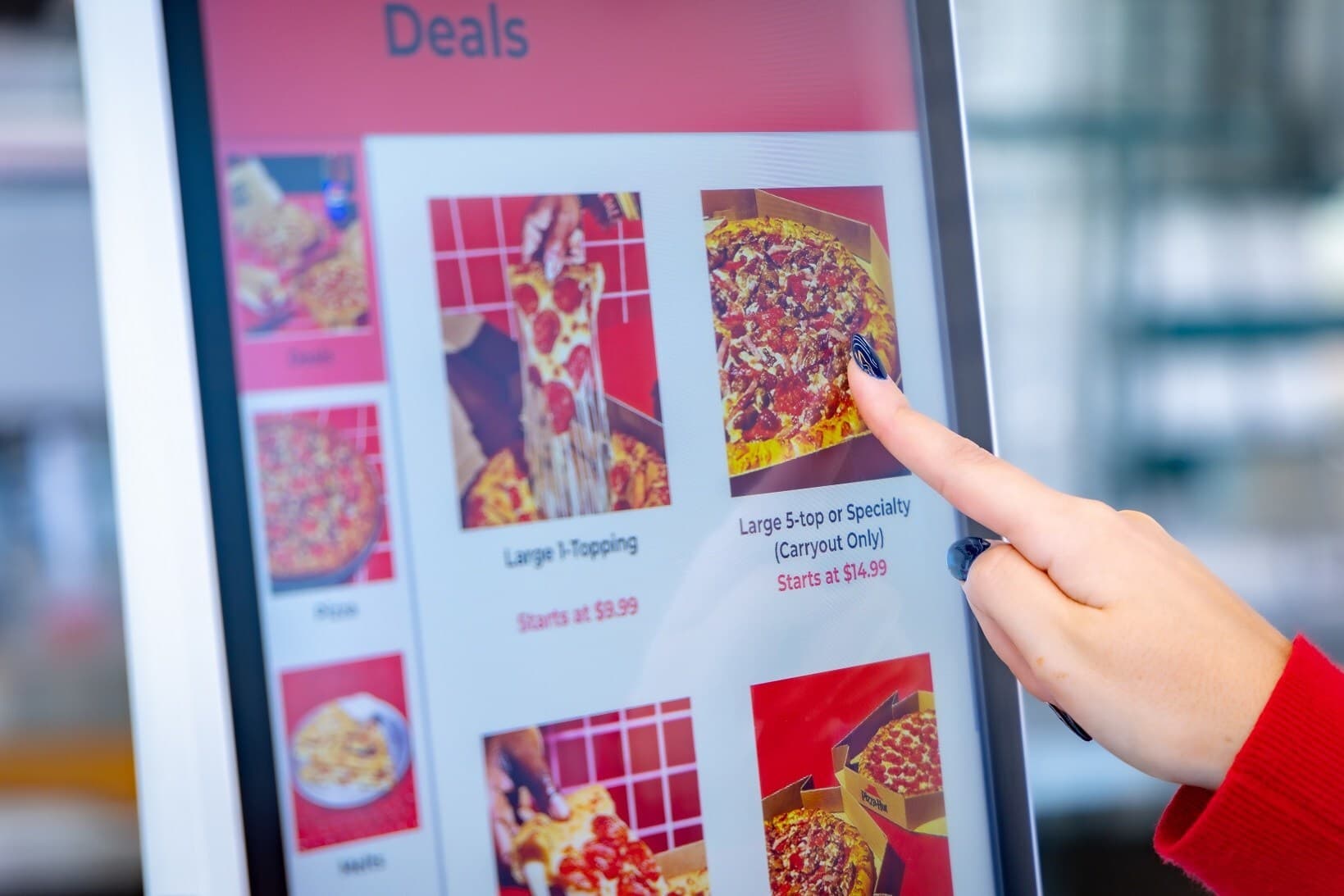
Pizza Hut’s pilot restaurant in Plano, Texas, opened on December 3, 2024, at 8605 Ohio Dr., and the format is built around the same logic. The store includes self-service kiosks, contactless pick-up cabinets, a guest-facing pizza-making station, and the company’s first U.S. Hut ‘N Go drive-thru menu with a select list of ready-now items. It is designed to create a more connected experience through digital and technology innovations while preserving food quality.
That design tells you where the brand thinks the bottlenecks are. Kiosks shift some ordering load off the counter, pick-up cabinets can simplify handoffs, and the drive-thru menu creates a faster lane for items that are ready to go. But none of that works without disciplined execution inside the store. Someone still has to stage the order, load the cabinet correctly, keep the menu accurate, and make sure the driver or customer gets the right food at the right time.
The Plano prototype also includes sustainability features such as energy-efficient lighting, ovens, and an energy management system. That is part of the bigger story too: Pizza Hut is trying to redesign not only the guest experience but the operating model underneath it. If the physical layout and the digital stack do not match the labor plan, the store will still bottleneck at the moment of handoff.
Heritage helps, but it does not solve the workflow problem
Pizza Hut likes to remind the market that it has been here before. In January 2025, the brand said its pizza was the first online food order in 1994, a reference to PizzaNet. Its 2025 pizza trends report also pointed to Original Pan Pizza in 1983 and Original Stuffed Crust in 1995 as major innovation milestones. That history matters because it shows Pizza Hut has long claimed a place in pizza innovation.
But heritage does not close the gap between a clever launch and a smooth shift. A menu item can generate demand, yet still fail if the store cannot process that demand without slowing down the line. For workers, that is the difference between a launch that feels exciting and one that just creates more tickets, more remakes, and more pressure on the team already trying to hold the rush together.
The ownership shift raises the stakes even further
The corporate backdrop changed again on June 16, 2026, when Yum! Brands announced definitive agreements to sell Pizza Hut for 2.7 billion dollars in aggregate. Pizza Hut Ex-China is set to go to LongRange Capital, while Pizza Hut China goes to Yum China Holdings, Inc. Yum! said it began a strategic review of Pizza Hut in November 2025 and concluded that the sale was the best path to maximize shareholder value while giving the brand ownership better matched to its distinct markets.
That makes the operations story more than a management headache. It is part of the brand’s future structure. If Pizza Hut is going to compete as a standalone system, the stores that can turn digital demand into clean execution will matter most. The teams that win will not be the ones with the most tools on paper, but the ones with the least friction on the line, the fastest handoffs at the counter, and the fewest reasons for a customer or driver to wait.
This article was produced by Prism’s automated news system from verified source data, official records, and press releases, then run through automated quality and moderation checks before publishing. The system is built and supervised by the people who set the standards it runs under. Read our full AI policy.
Did this article answer your question?