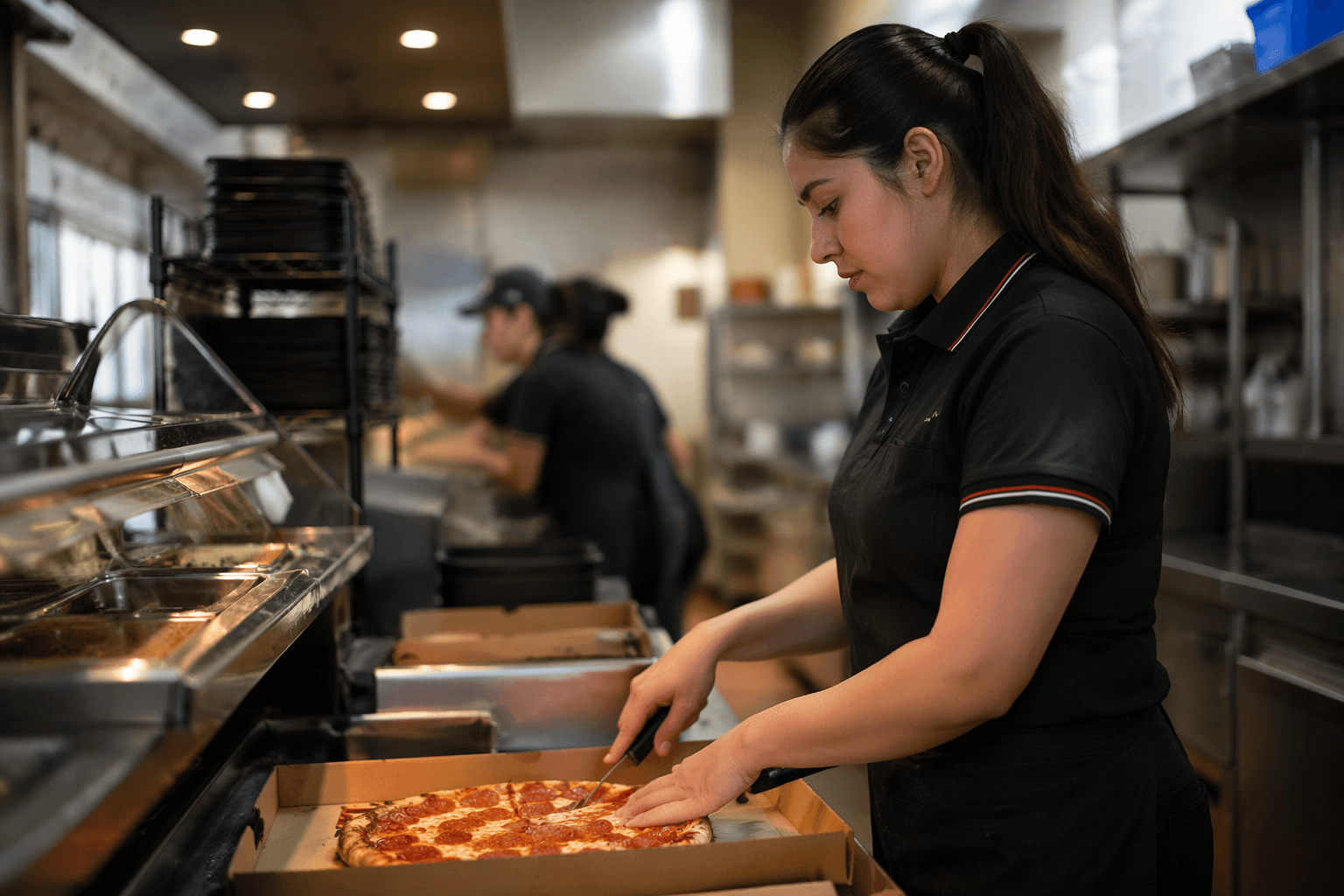
Pizza Hut managers warned: staffing and leadership drive retention more than pay
7shifts says understaffing is the top stressor, and difficult managers now drive quits as often as low pay. For Pizza Hut, earlier schedules and better feedback may matter more than a small raise.
7shifts released its 2026 What Restaurant Employees Want report on June 16, and the findings point Pizza Hut managers toward a familiar but often ignored fix: staffing, scheduling and supervision. Based on input from more than 1,000 restaurant workers, the study says understaffing remains the top stressor, while difficult managers are tied with low pay as the main reason employees quit.
The report also shows why frontline crew morale rises or falls with the people beside them. Eighty-four percent of happy employees say they feel connected to their coworkers, and 73% say their relationship with their manager affects job satisfaction. Another 71% say recognition and feedback shape how they feel at work, yet one in five rarely receive positive feedback. That is a management problem, not a compensation line item, and it lands directly on the shoulders of shift leads and general managers trying to keep Pizza Hut stores staffed through nights, weekends and delivery rushes.

The money story has changed too. Demand for daily pay rose from 24% in 2024 to 32% in 2026, a sign that same-day access to wages and tips is becoming more valuable in a market where drivers can compare a Pizza Hut run with DoorDash or Uber Eats work in real time. The report also exposes a benefit gap: 72% of restaurants offer free meals, but only 24% of workers rank free meals among their top three benefits. Paid time off and paid sick days remain among the most desired benefits, even though fewer than 40% of employers offer them.
Scheduling may be the cheapest retention lever of all. Three-quarters of workers prefer one to two weeks of notice, while 28% say they get schedules only a few days in advance. For a Pizza Hut manager, that means the practical playbook is straightforward: publish shifts earlier, avoid last-minute cuts, communicate directly when a store is short, and treat flexibility as a retention tool rather than a perk.
The economics back that up. 7shifts says replacing a single front-of-house employee costs more than $1,000, while replacing a back-of-house worker costs nearly $1,500. Jordan Boesch, 7shifts’ chief executive, said turnover is driven by fixable operational issues such as staffing levels, schedule visibility and manager communication. Danny Meyer, founder and executive chairman of Union Square Hospitality Group, wrote the report’s foreword, framing worker needs as the starting point for durable teams.
Pizza Hut’s own careers messaging leaves little room for contradiction. The brand says workers should be able to be themselves, be appreciated and earn enough to pay bills and enjoy life outside work. It also says franchisees are the exclusive employers responsible for employment matters and that benefits may not be available at all restaurants. That matters in a chain with more than 19,000 restaurants across 108 countries and territories, founded in 1958 in Wichita, Kansas, by Dan and Frank Carney with $600 borrowed from their mother.
This article was produced by Prism’s automated news system from verified source data, official records, and press releases, then run through automated quality and moderation checks before publishing. The system is built and supervised by the people who set the standards it runs under. Read our full AI policy.
Did this article answer your question?