Pizza Hut operators brace for 2026 pressure with value, risk management
Pizza Hut’s 2026 test is clear: keep value visible, keep operations tight, and stop discounts from turning into margin leaks.
Value is the traffic plan, not a slogan
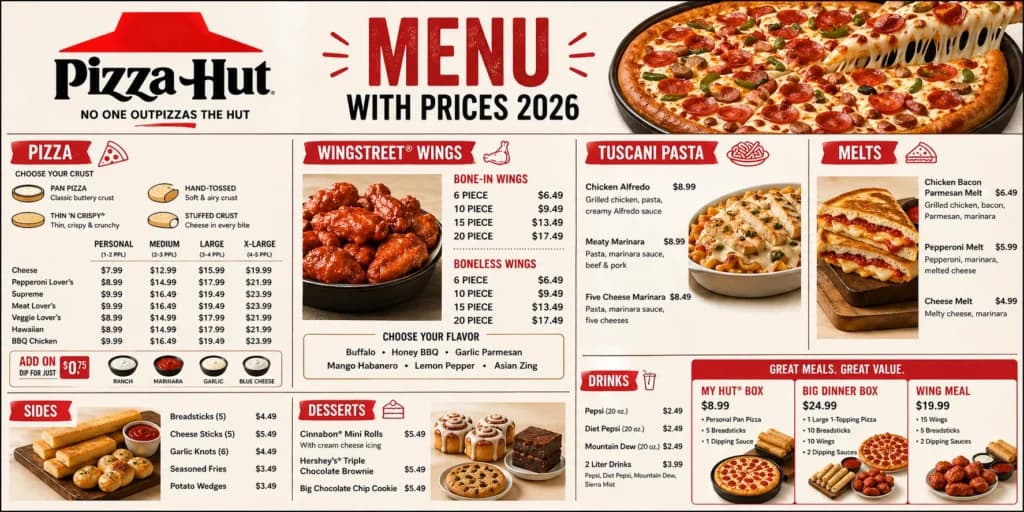
Pizza Hut operators are heading into 2026 with the same brutal math facing most quick-service chains: traffic still matters, but every discount has to earn its keep. The brand cannot afford to treat value as a marketing line divorced from the line cooks, drivers, and shift managers who have to deliver it. If the price looks good but the order is slow, messy, or inconsistent, the customer still walks away feeling overcharged.

That is why the strongest read on the market is not about cheaper pizza alone. It is about building a value base around affordability, quality, and consistency, then making sure guests can see that value at each price point. For Pizza Hut, that means a clearer ladder of offers, simpler menu builds, and fewer chances for a busy store to turn a deal into a disappointment. In a world of DoorDash and Uber Eats, where customers can compare options in seconds, value only works if the meal still feels worth it when it reaches the door.
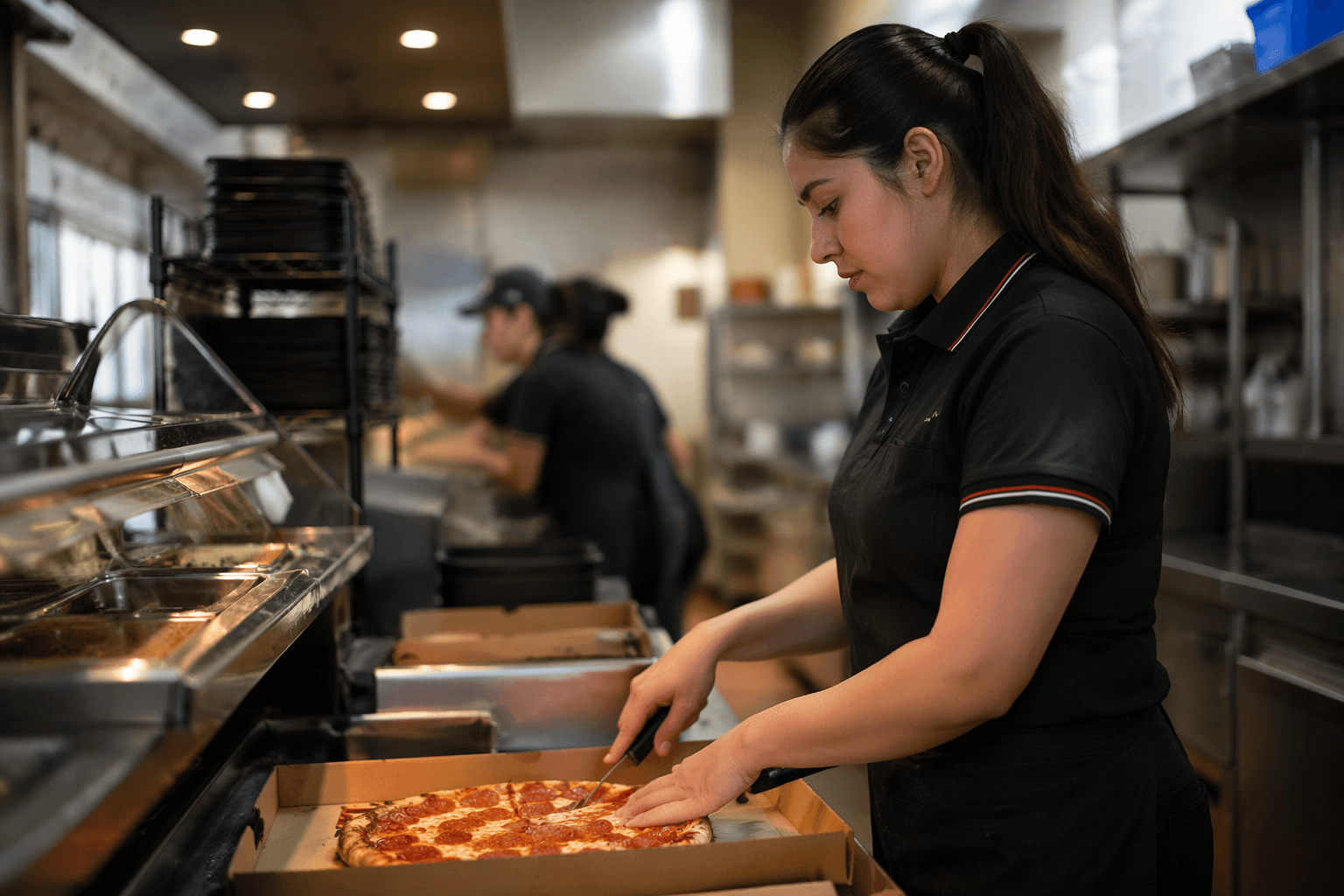
Risk management now starts on the make line
The most useful shift in thinking for Pizza Hut managers is that risk management is no longer just an insurance or compliance word. It is a store survival tool. Food, labor, and real estate costs keep climbing, while staffing instability remains a real drag on execution, which means weak controls can turn a good sales week into a thin or negative one.
That pressure shows up in ordinary decisions. A promo that is too complicated can slow the line and invite mistakes. A menu that is too broad can create waste, missing inventory, and longer ticket times. A skeleton crew can save labor for an hour and then cost the store far more when service slips, remakes pile up, or delivery timing goes off the rails.
The practical answer is discipline, not flash. Operators need prep systems that hold up during rushes, staffing plans that account for real demand instead of hopeful forecasts, and guardrails that keep discounts from being abused by customers or mishandled by the store. For drivers and kitchen staff, predictable operations matter because unpredictability is where tip-sensitive delivery runs, food quality, and guest trust all start to leak.
A strong Pizza Hut store in 2026 will likely be the one that does a few things consistently well:
- Keeps the value ladder easy to understand for guests and easy to execute for crews.
- Simplifies builds so the kitchen can move faster without sacrificing quality.
- Uses safer staffing levels that protect speed and service instead of paper-thin labor targets.
- Cuts avoidable food waste by tightening prep discipline and inventory control.
- Treats delivery handoffs as a profit issue, not just a fulfillment detail.
The corporate pressure behind the store-level squeeze
The urgency is coming from the top as well as the sales floor. On November 4, 2025, Yum! Brands announced a formal review of strategic options for Pizza Hut, saying the goal was to help the brand reach its full potential for franchisees, consumers, and employees while maximizing shareholder value. Reuters reported that the review could lead to a divestiture, a sale of a stake, or a joint venture, which is the kind of uncertainty that tends to sharpen every operating decision below headquarters.
The numbers explain why the pressure is so high. At the end of the first quarter of 2025, Pizza Hut had 6,474 restaurants in the United States and 13,312 international units, for 19,786 restaurants worldwide. Yet U.S. same-store sales fell 5% in that quarter, and global same-store sales fell 2%, while Yum said operating profit growth was hurt by expenses tied to four franchise entities transitioning to new ownership and the timing of technology spending. That is not a brand coasting on momentum; it is a brand trying to stabilize while the ground keeps moving.
The footprint tells the same story. In February 2026, Yum said Pizza Hut planned to close about 250 underperforming U.S. restaurants in the first half of the year, after closing 375 U.S. restaurants in fiscal 2025. That kind of contraction is more than a store count adjustment. It signals that every remaining unit is under more pressure to justify itself through sales, execution, and controllable costs.
For managers, the message is plain: the corporate conversation is no longer about expansion at any price. It is about which stores can make the economics work and which stores cannot. For employees, that usually means the stores that survive are the ones that can keep service steady without burning through labor, product, and patience.
Hut Rewards shows where the brand is placing its bets
Pizza Hut’s April 21, 2026 relaunch of Hut Rewards is part of the answer. The new membership program is designed to deliver ongoing value, exclusive access, and member-only experiences, which tells you exactly where the brand thinks it needs to compete. It is trying to make value feel continuous instead of promotional, and loyalty feel like a reason to come back instead of a one-time coupon chase.
But loyalty only helps if the store can deliver on it. A rewards program cannot cover for late food, sloppy assembly, or a driver who is left waiting at the counter while the kitchen tries to catch up. In practice, the best loyalty strategy is the oldest one in pizza: make the order right, keep the pace steady, and avoid giving the customer a reason to shop elsewhere the next time they are hungry.
That is especially important in delivery, where Pizza Hut still has a strategic edge if it can keep order times tight and product quality high. Delivery is one of the few parts of the business that can still separate the brand from rivals, but only if execution is strong enough to protect the promise. If the box arrives damaged, the pizza arrives cold, or the handoff is chaotic, the competitive advantage disappears fast.
What the 2026 playbook demands inside the store
The stores that handle 2026 best will not be the ones offering the most aggressive discount. They will be the ones that make value obvious without making the operation brittle. That means fewer unnecessary complications, tighter prep, better labor planning, and a sharper eye on where promotions create volume versus where they simply create headaches.
It also means managers have to think like risk officers, not just sales chasers. A bad promo can create waste. Weak controls can create fraud exposure. Understaffing can create service failures that cost more than the labor saved. And in delivery-heavy pizza, every minute of avoidable delay can turn into a lost customer, a weaker tip for the driver, and one more reminder that traffic is not the same thing as profit.
Pizza Hut was born in Wichita, now sits inside a Yum! Brands system based in Louisville, and runs through a major operational center in Plano, Texas. In 2026, that corporate span is less important than the discipline inside each store. The brand’s future will be shaped by whether operators can make value feel real, keep risks contained, and turn a fragile market into a reliable shift by shift business.
This article was produced by Prism’s automated news system from verified source data, official records, and press releases, then run through automated quality and moderation checks before publishing. The system is built and supervised by the people who set the standards it runs under. Read our full AI policy.
Did this article answer your question?