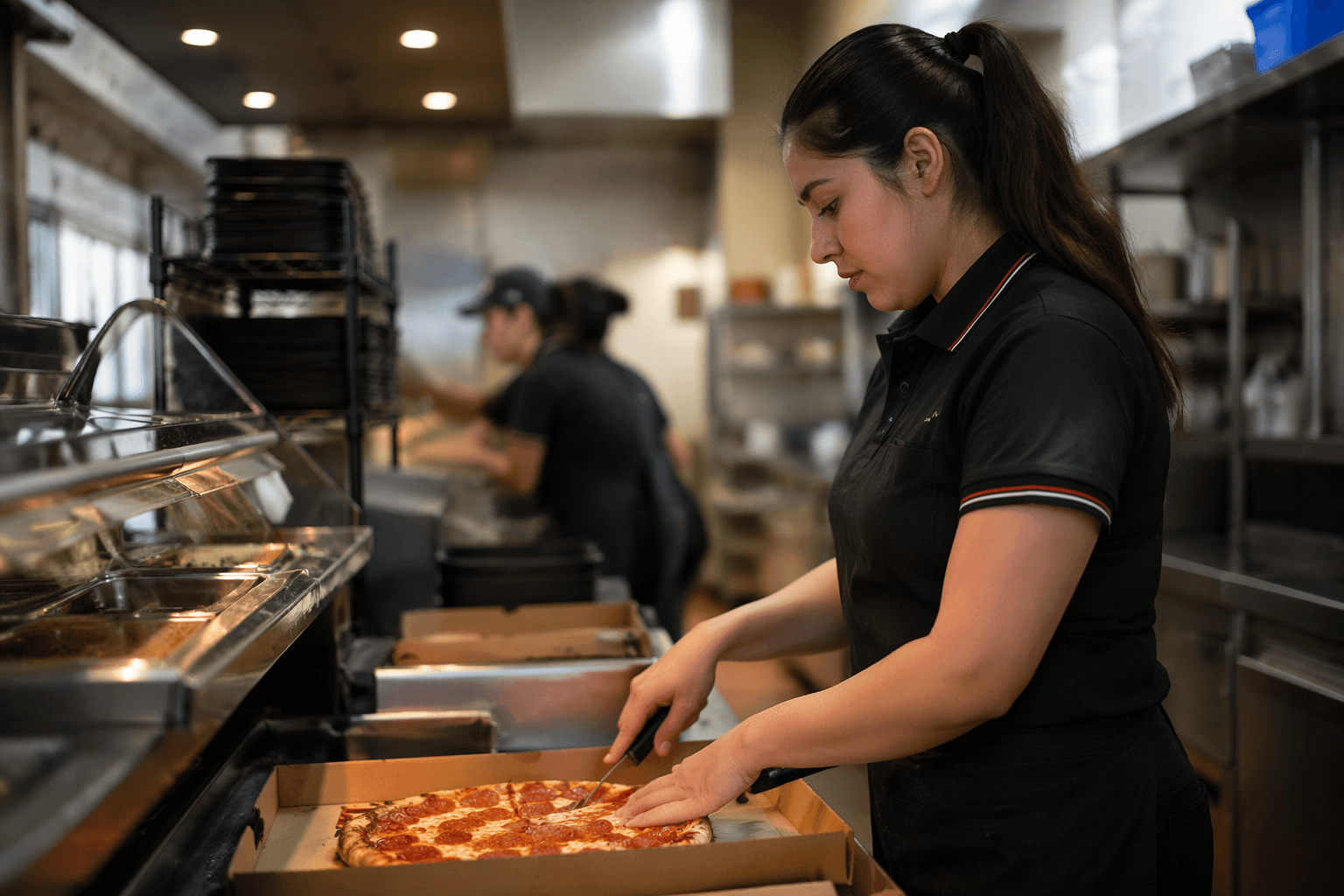
Pizza Hut portal says hourly training must happen on the clock
Pizza Hut’s portal says hourly training belongs on scheduled shifts, and a five-strike password lockout can stall day-one onboarding for an hour.

Pizza Hut’s employee portal puts the company’s clearest onboarding rule in plain view: hourly employees must take training only during scheduled work hours. That line matters because the same system limits access to authorized current employees, contractors, franchisees, licensees, suppliers, agencies, consultants and other approved users, making day-one login and training part of controlled, paid work rather than something a new hire is expected to sort out alone.
The portal’s language leaves little room for guesswork. If an employee’s status changes, the system says that person must notify the platform. After five incorrect password attempts, the account is locked for 60 minutes. The site also warns that it is a private computer facility and that users should have no expectation of privacy. For a kitchen crew member trying to finish onboarding before a lunch rush, those rules can turn into real friction fast: a delayed login, a missed training module, or a payroll question if the hours spent learning are not clearly tied to a scheduled shift.
That is where the compliance lesson becomes a culture lesson. The U.S. Department of Labor says covered non-exempt workers are entitled to at least the federal minimum wage of $7.25 an hour and overtime after 40 hours in a workweek. It also says training time generally counts as hours worked unless it fits narrow exceptions, and whether attendance falls during regular working hours is a key factor. The department’s restaurant toolkit adds that many restaurant workers are protected by federal minimum-wage and overtime rules. For Pizza Hut managers, that means a new driver learning routing, a cook learning make-line flow, or a shift lead learning point-of-sale steps should be scheduled, recorded and paid as work.
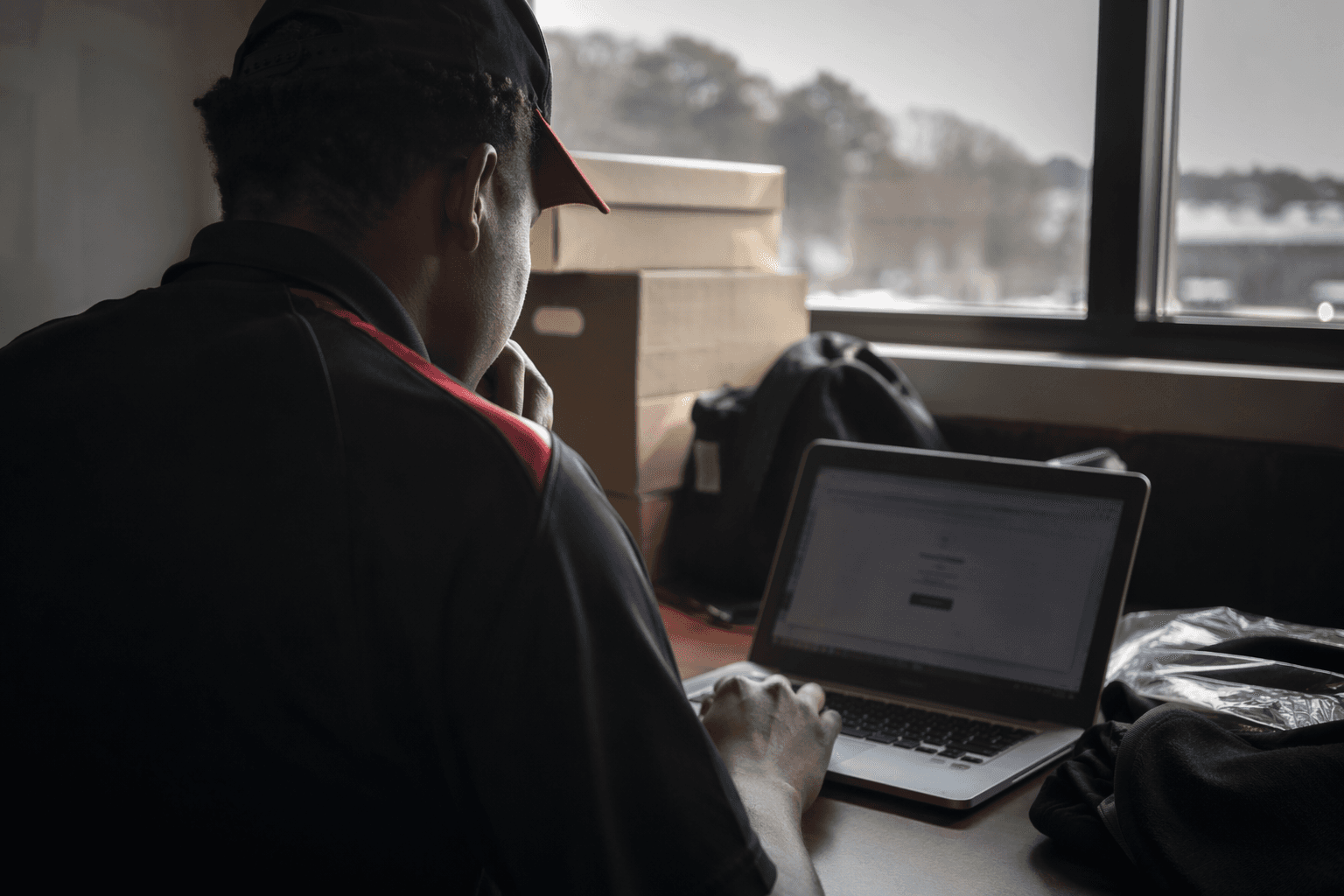
Yum’s Learn!Now terms repeat the same instruction that hourly employees must take training only during scheduled work hours, which shows the rule is not limited to one portal page. That matters across Yum! Brands’ restaurant systems, including Pizza Hut, KFC and Taco Bell, where local managers and franchise operators still control how tightly those rules are enforced on the ground. In a chain with a large franchise footprint, access control and timekeeping are not separate IT chores. They are part of the labor system.
The stakes are not theoretical. One Pizza Hut franchisee with more than 300 locations agreed to pay $4.75 million to resolve an FLSA dispute. In that kind of environment, the portal’s message is practical: clean up access when roles change, keep training on the clock, and make sure the first login does not become the first off-the-clock problem.
This article was produced by Prism’s automated news system from verified source data, official records, and press releases, then run through automated quality and moderation checks before publishing. The system is built and supervised by the people who set the standards it runs under. Read our full AI policy.
Did this article answer your question?