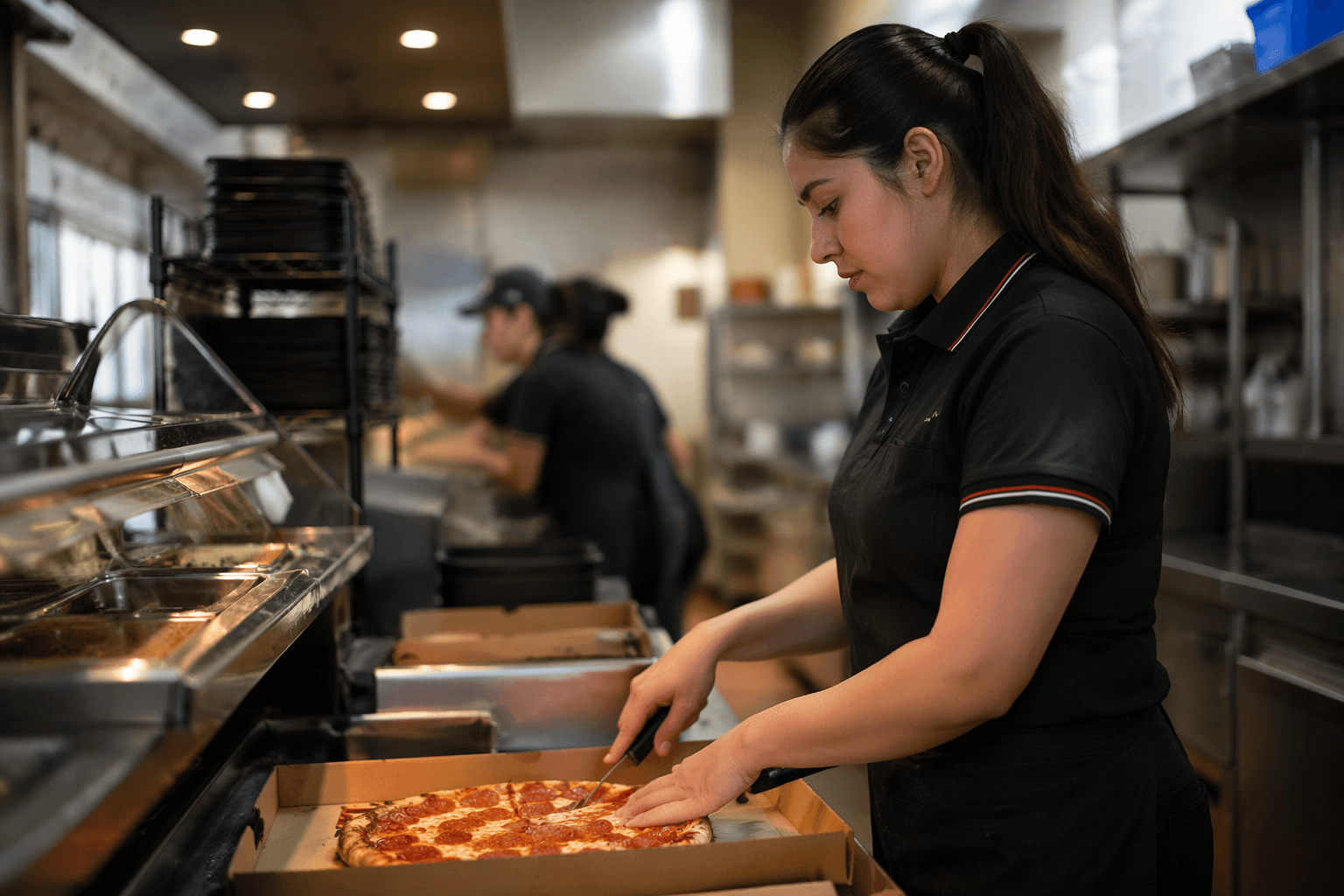
Pizza Hut prices stay competitive as value battles vary by location
Pizza Hut stayed close to Papa Johns on a large pepperoni, but local pricing still shifts the value fight. That puts more promo pressure on store teams and tighter scrutiny on speed, coupons and execution.
Pizza Hut’s value edge depends on the order, and the zip code
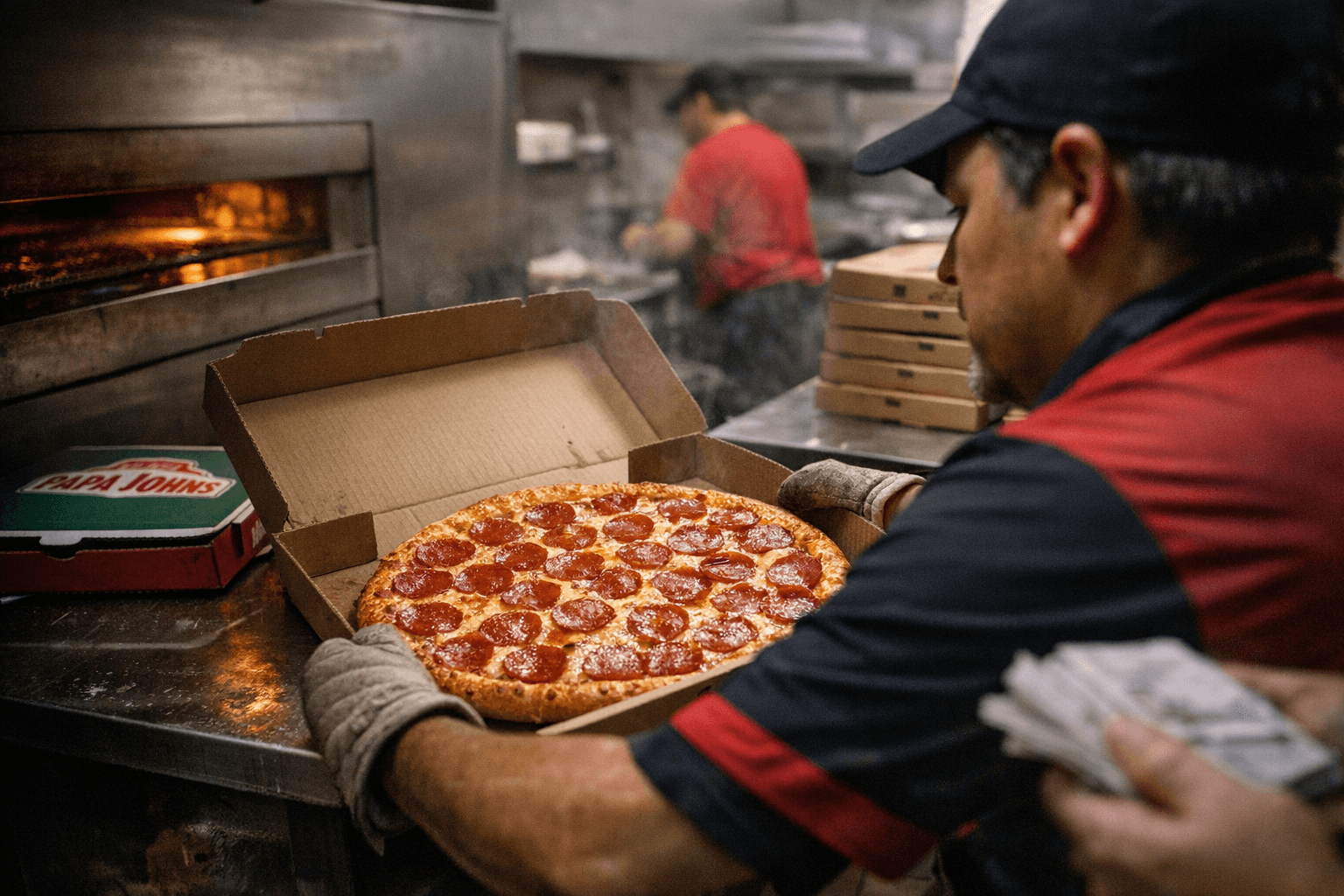
A three-zip-code price check shows Pizza Hut is not winning the pizza wars with a single low-price formula. On a large pepperoni, Pizza Hut averaged $18.65, just under Papa Johns at $18.91 and well below Domino’s at $20.66. That is close enough to keep Pizza Hut in the conversation, but not so cheap that it can ignore shoppers who compare every pie before they buy.
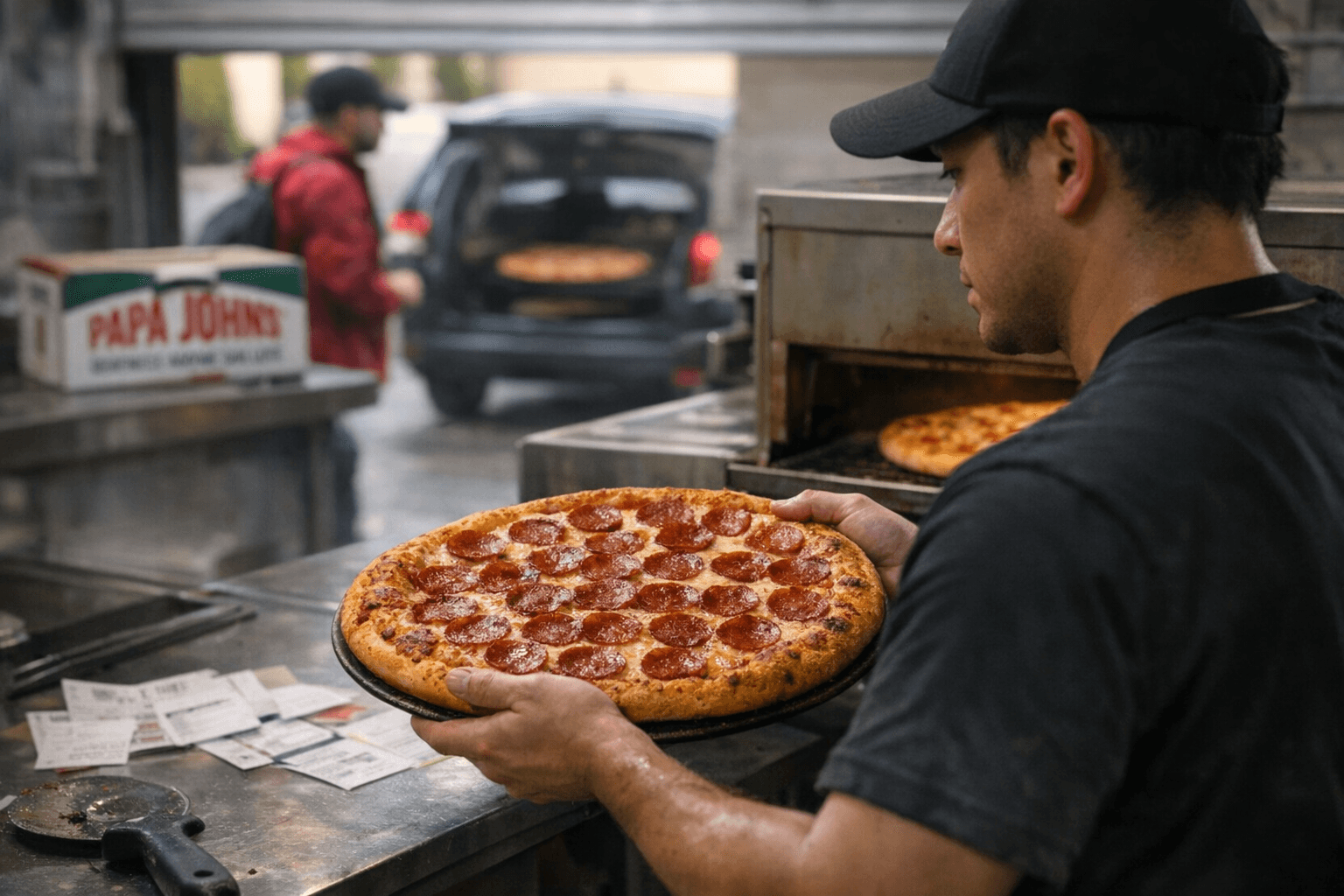
The bigger lesson for stores is that value is no longer a slogan, it is a moving target. Customers are price shopping by neighborhood, by app, and by what they actually put in the cart. That can make one location look like the bargain option on carryout bundles while another feels expensive once delivery fees, extras and toppings are added. For workers, that means the same brand can see very different demand patterns from one trade area to the next.
What the price check means on the floor
When customers see Pizza Hut landing near Papa Johns on a standard large pepperoni, they are more likely to treat the purchase like a comparison shop rather than a blind brand pick. That raises the pressure on managers and shift leads to be ready with the right coupon, the right bundle, and a fast answer when someone asks why one store is cheaper than another. It also means the person taking the order may be doing more explaining than selling.
Inside the restaurant, value battles usually show up as busier promo periods, more questions at the counter, and tighter expectations on ticket times. If a family is choosing between chains, a few dollars can decide whether the order goes through or gets abandoned. That puts added strain on kitchen crew to keep the make line clean and consistent, and on delivery drivers to move orders quickly enough that a discount does not turn into a service complaint.
For drivers, price sensitivity can change the shape of a shift. Discount-heavy periods can produce more orders, but they can also come with smaller tickets and customers who are paying closer attention to whether the food arrives on time and intact. The value fight is not only about what the menu says on the screen. It is about whether the store can defend that price with speed, accuracy and a handoff that feels worth it.
Pizza Hut is leaning harder into bundles and familiar favorites
Pizza Hut has been making that value case publicly. Its 2025 Pizza Trends Report said 32% of people expected to eat more pizza in 2025 than in 2024, a useful signal for a chain trying to keep traffic moving even as customers get pickier. The same report highlighted a $19.99 Stuffed Crust Pizza & Wings Bundle, a price point that is clearly meant to make the check feel manageable even when shoppers are watching every dollar.
The company is also leaning on its menu history to support that pitch. Pizza Hut points back to Original Pan Pizza, introduced in 1983, and Original Stuffed Crust, introduced in 1995, as proof that it has a heritage of menu innovation. That matters because in a crowded market, nostalgia can work as a value signal of its own. If customers believe a brand has a signature product worth paying for, they may be more willing to accept a slightly higher ticket.
For store teams, though, bundles and add-ons add complexity. A $19.99 deal may bring in traffic, but it also brings more moving parts on the make line, more chances for mistakes, and more pressure to keep the pace up when orders stack. The promise of value only lands if the pizza, wings and sides show up together, on time, and in good shape.
The corporate pressure behind the pricing fight
The pricing battle is unfolding while Yum! Brands is reassessing Pizza Hut’s place in the portfolio. In November 2025, Yum! announced a formal review of strategic options for the brand and said Pizza Hut needed additional action to realize its full value. The company also said some options might be better executed outside Yum! Brands, and it retained Goldman Sachs and Barclays as advisers for the review.
That matters for employees because strategic reviews often lead to sharper scrutiny of store performance, franchise economics and market-level execution. A brand under review usually gets judged on more than sales alone. It gets judged on whether stores can protect margins, hold traffic, and prove the concept still has room to grow in the current market.
Then came a bigger operational move. In February 2026, Yum! said it would close 250 underperforming Pizza Hut locations in the U.S. as part of its Hut Forward strategy. The company said Pizza Hut U.S. store sales fell 3% in the fourth quarter of 2025, and it put Pizza Hut’s global system at roughly 20,000 units. The closures were described as a small slice of the overall estate, but for the stores involved, and the teams around them, the effect is immediate and concrete.
Why the value war keeps hitting labor
The broader quick-service market has been leaning into meal deals, digital promotions and loyalty programs because of macroeconomic pressure, according to QSR Magazine. Restaurant Dive also reported that Domino’s promotion-and-discount strategy helped lift sales while Pizza Hut and Papa Johns struggled to match that momentum. Put together, those trends explain why pizza pricing feels so volatile: the chains are not just fighting for dinner, they are fighting for repeat visits, app clicks and share of wallet.
That fight reaches workers fast. When the brand pushes deeper into promotions, the store often feels it first through heavier rushes, more coupon questions, more carryout traffic, and more customers expecting a deal that still tastes like a premium meal. Managers have to keep labor aligned to the waves, drivers have to absorb the pressure of faster turns and harder comparisons, and kitchen crews have to deliver enough consistency that the value feels real.
Pizza Hut’s price position may look competitive on a large pepperoni, but the bigger story is how narrow the margin has become between cheap enough and too expensive. In a market where shoppers can compare chains in seconds, the stores that win will be the ones that make value visible every time the box is opened.
This article was produced by Prism’s automated news system from verified source data, official records, and press releases, then run through automated quality and moderation checks before publishing. The system is built and supervised by the people who set the standards it runs under. Read our full AI policy.
Did this article answer your question?