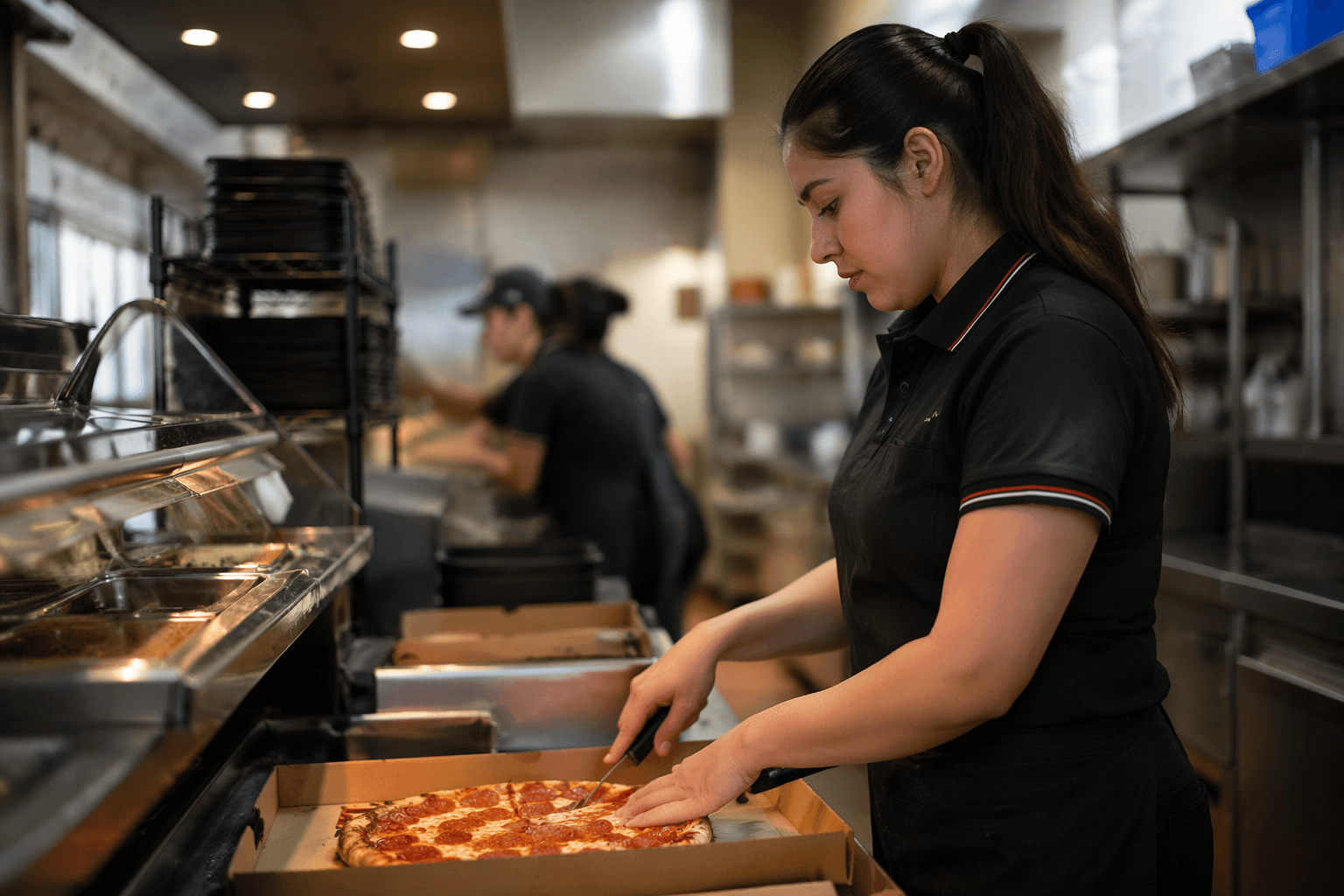
Pizza Hut says delivery charge is not a driver tip
Pizza Hut now says in all caps that its delivery charge is not a driver tip, and 100% of the fee stays with the restaurant. The fine print reshapes what customers think they are paying for.

Pizza Hut is making a blunt point to anyone ordering delivery: the charge on the bill is not a tip for the driver. The brand says in all caps that 100% of the delivery fee is retained by the Pizza Hut restaurant, a disclosure now repeated across the homepage, pricing page, checkout page and contact-us page.
That wording matters in stores, where drivers are often the first people to hear, and absorb, customer frustration over fees. It also matters for managers trying to explain why a delivery ticket can look more expensive than the menu price suggests, especially when customers are seeing service charges, tax, delivery fees and a separate tip prompt all at once.
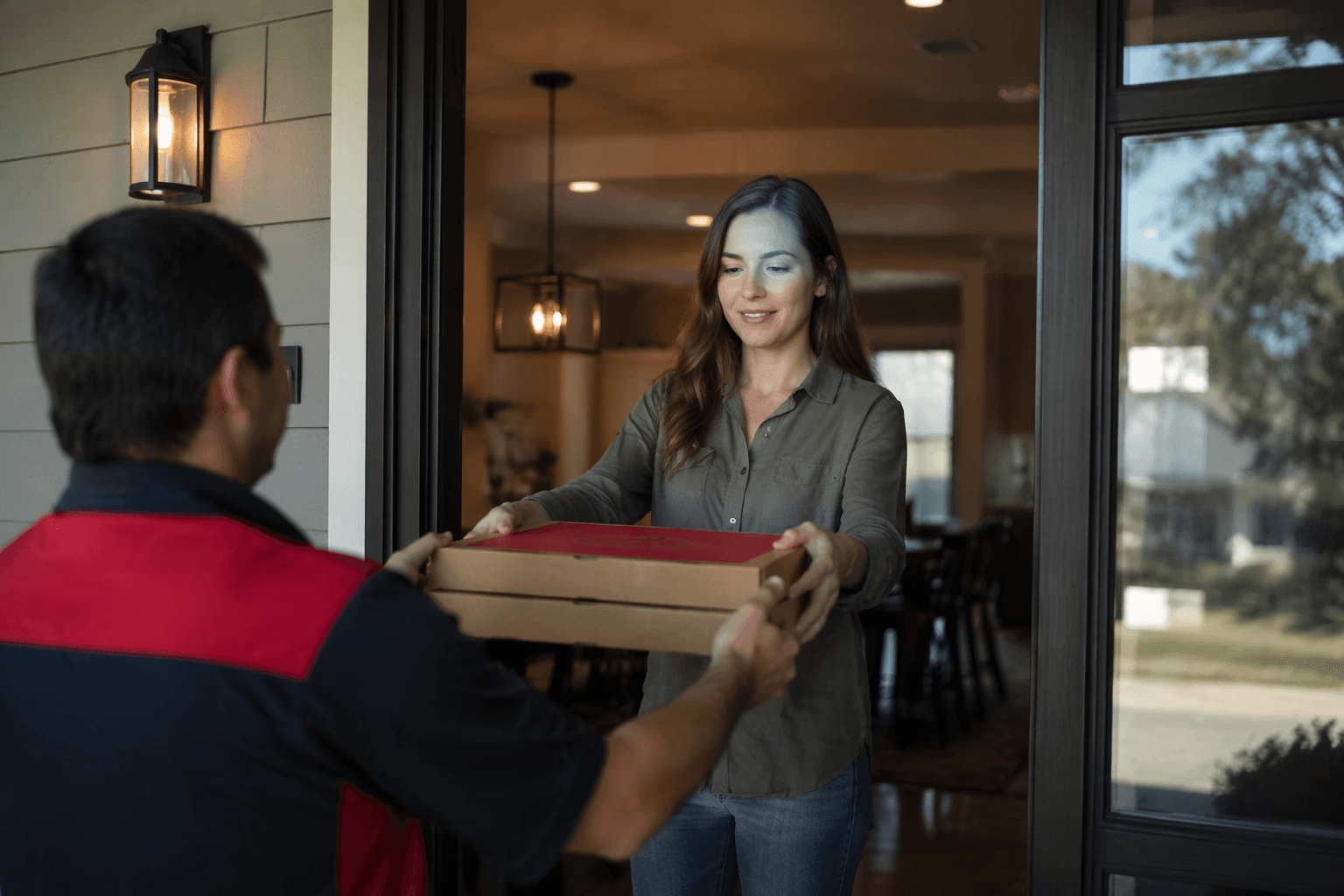
Pizza Hut’s specials page adds more of the same fine print. Product availability, combinability of discounts and specials, prices, participation, delivery areas and charges, and minimum purchase required for delivery may vary by location. Discounts are not applicable to tax, the delivery charge or driver tip. For workers on the ground, that means the final total can shift from store to store, and the explanation has to be delivered in plain language at the counter, over the phone or at the door.
The company’s message is also a reminder that the delivery fee is part of the restaurant’s revenue model, not a substitute for gratuity. In practical terms, the fee may help cover routing, packaging and off-premise operations, but it does not remove the need for labor, vehicles, dispatching and service. That is where the trust gap opens up: many customers still assume a delivery charge goes to the person carrying the box, while Pizza Hut is trying to make clear that it does not.
The broader pizza business has long wrestled with that misunderstanding. Pizza Today has traced the modern standardization of pizza delivery back to 1965 and Tom Monaghan, as the industry moved away from free delivery and into a fee-based model. Pizza Hut’s current setup shows how much that model still depends on careful wording, because the economics of delivery now shape the entire customer experience, not just the receipt.
That pressure is not abstract. In May 2026, Pizza Hut franchisee Chaac Pizza Northeast filed a lawsuit in Texas Business Court alleging that a mandatory AI delivery system triggered cascading operational breakdowns across more than 110 locations in the Northeast and caused more than $100 million in damages. Taken together, the fee disclosure and the lawsuit point to the same reality: delivery is no longer just about getting pizza to the door. It is a frontline business system where pricing, labor and customer expectations all collide.
This article was produced by Prism’s automated news system from verified source data, official records, and press releases, then run through automated quality and moderation checks before publishing. The system is built and supervised by the people who set the standards it runs under. Read our full AI policy.
Did this article answer your question?