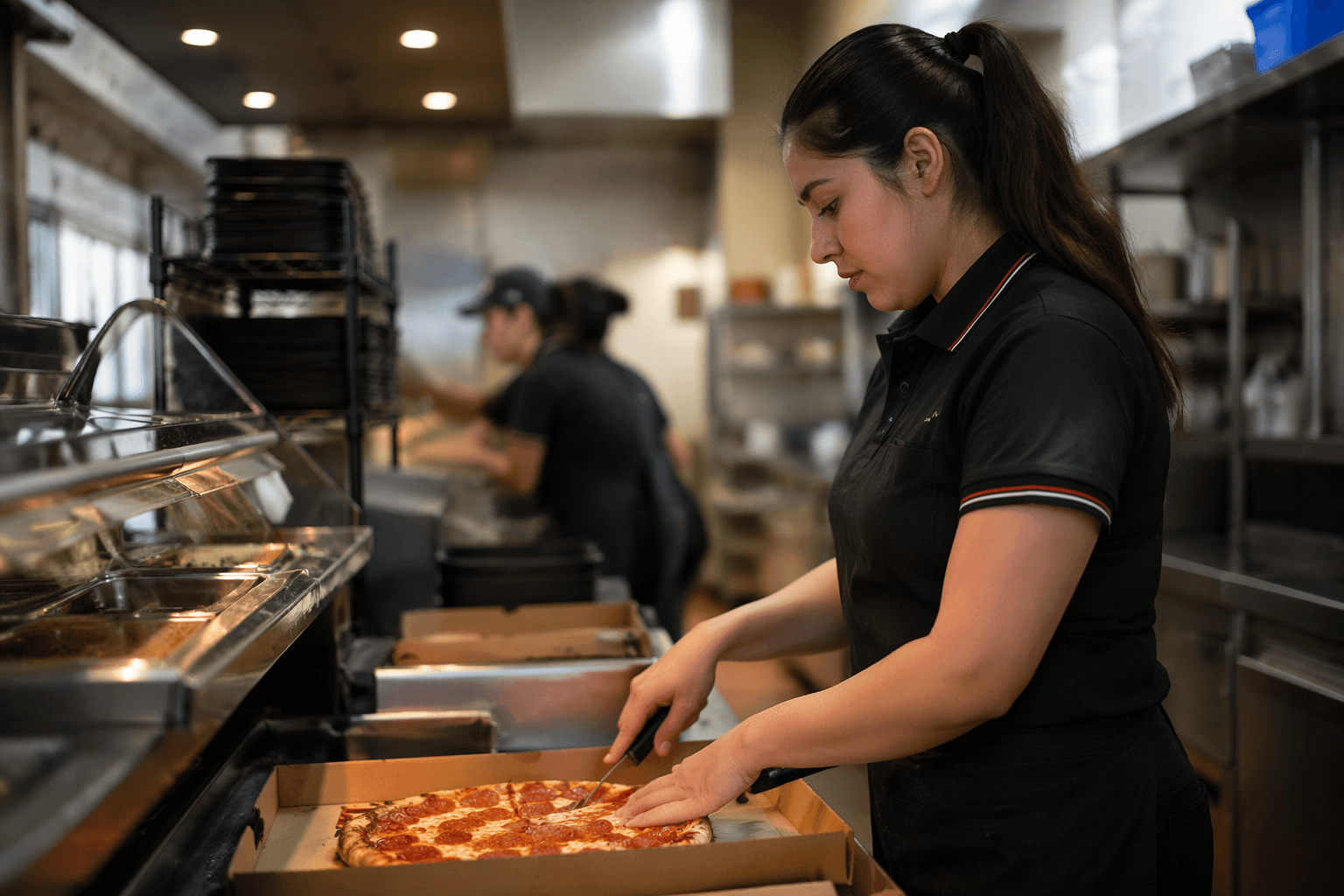
Pizza Hut staffing pressures rise as hourly workers face financial strain
Pizza Hut operators are competing with grocery bills as much as rival chains: a 750-worker survey found many hourly staff are skipping meals and living paycheck to paycheck.

Pizza Hut operators are hiring into a market where the biggest pressure on hourly staff may be happening off the clock. A 2026 survey of 750 restaurant workers found many are living paycheck to paycheck and skipping meals, which helps explain why a shift can feel shaky even when sales are steady.
The National Restaurant Association’s 2026 State of the Restaurant Industry report describes a cautious growth environment with ongoing cost pressure, and its April job-openings data showed restaurant and lodging vacancies falling to 679,000 from a revised 753,000 in March. At the same time, quickservice and fast casual employment stood 88,000 jobs above pre-pandemic levels, a sign that Pizza Hut is still operating in a crowded labor market with plenty of competition for the same workers.
That is why pay alone rarely settles the retention problem in a store. Pizza Hut’s own careers messaging says the company and its franchise partners work to make schedules fit employees’ lives and that flexibility is a key part of how work actually works. For hourly workers, the immediate questions are whether a manager posts schedules on time, handles time-off requests quickly, covers breaks consistently and keeps chaos off the line when dinner rush hits.
Pizza Hut’s job postings also show where the brand is trying to compete beyond base wages. A Chicago shift-manager listing advertises limited medical and dental benefits, education assistance, an early wage access platform and growth opportunity. Those are not minor perks in a field where drivers and kitchen crew often compare jobs on how fast they can get paid, whether they can count on their hours, and whether a promotion path is real or just language on a hiring page.
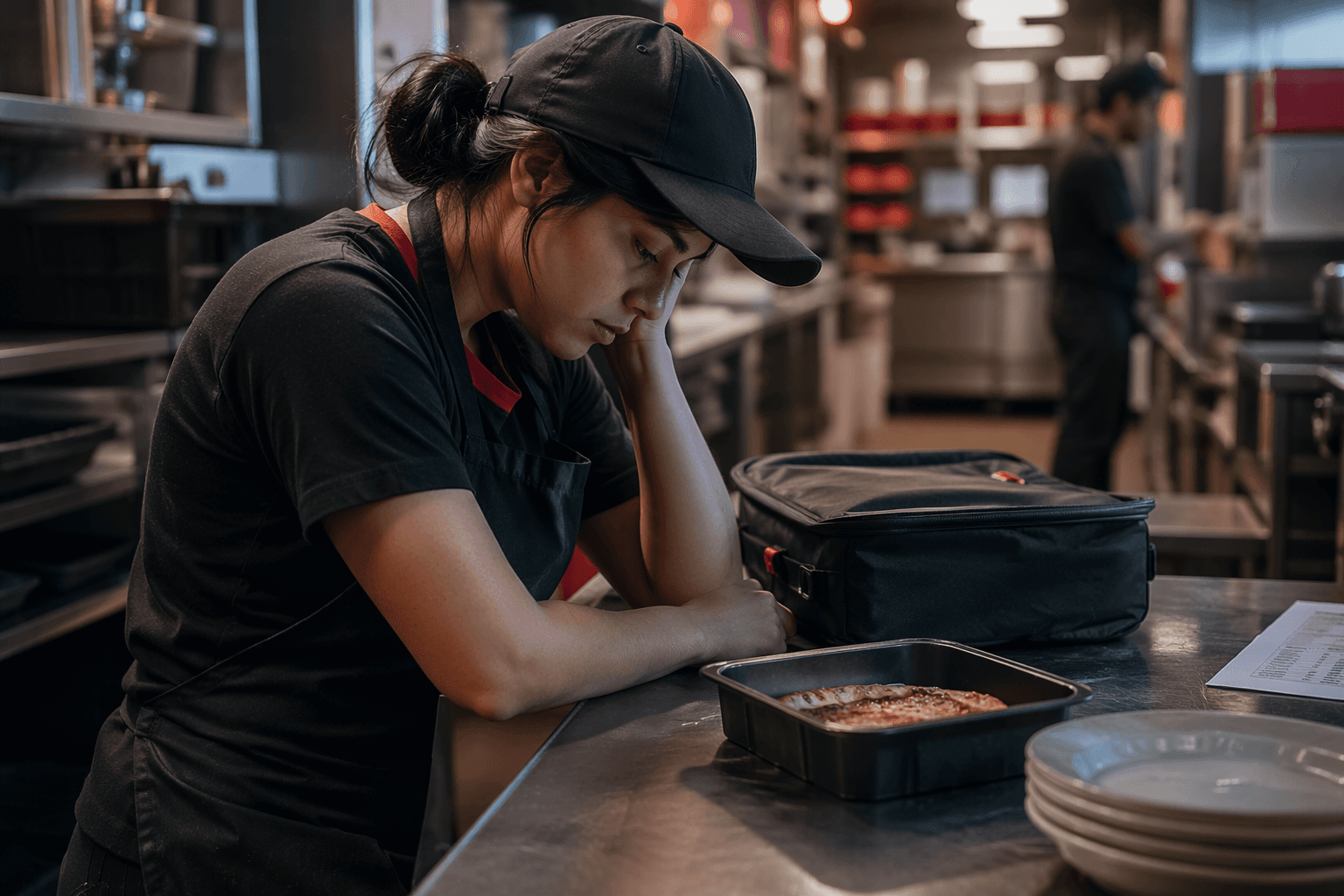
The franchise structure makes that variation even more important. Pizza Hut says franchisees are the exclusive employers of restaurant workers, and benefits are not available at all locations. That means one store may offer more predictable scheduling and faster access to earnings than another store just a few miles away, even under the same brand. For workers, that can matter as much as a small hourly raise.
The pressure sits on top of a brand already in reset mode. Yum Brands said in February 2026 that Pizza Hut would close about 250 U.S. locations in the first half of 2026, roughly 3% of its U.S. footprint, after Pizza Hut U.S. same-store sales fell 3% in the fourth quarter of 2025. Pizza Hut was founded in 1958 in Wichita, Kansas, by Dan Carney and Frank Carney, and now says it has more than 16,000 restaurants and 350,000 team members in over 100 countries. That scale makes the staffing problem bigger, but the fix is still local: better schedules, clearer training, steadier management and a job that feels organized enough to keep good people from walking next door.
This article was produced by Prism’s automated news system from verified source data, official records, and press releases, then run through automated quality and moderation checks before publishing. The system is built and supervised by the people who set the standards it runs under. Read our full AI policy.
Did this article answer your question?