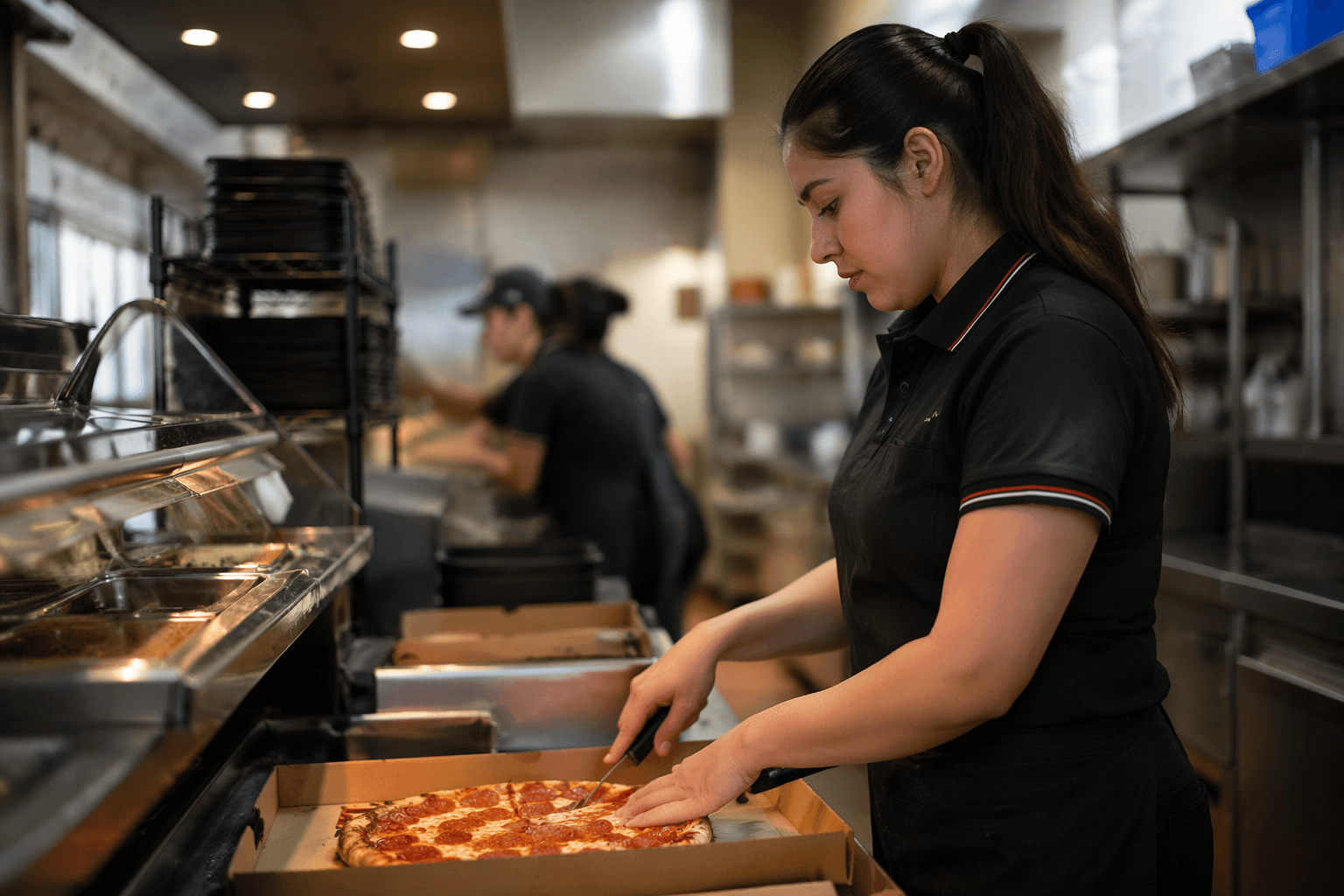
Pizza Hut watches California pricing law that could reshape loyalty offers
California’s AB 2564 could force Pizza Hut to turn personalized app deals into broader offers, changing how stores drive traffic, manage rushes and protect margins.
California lawmakers are pressing ahead with a privacy bill that could force Pizza Hut to rethink how it uses loyalty offers, app personalization and targeted promos to pull in delivery and carryout orders. AB 2564 is aimed at surveillance pricing, but the fight now centers on whether restaurant discounts that depend on loyalty data stay easy to use or become much harder to tailor.
Assemblymember Christopher Ward introduced the bill on Feb. 20, 2026, and the California Assembly advanced it on May 27. A first hearing scheduled for June 16 was canceled at Ward’s request, and the measure was still moving through the California Senate. The legislation is meant to further the purposes of the California Privacy Rights Act of 2020, while trying to stop businesses from charging different prices to different people based on personal data such as ZIP code or age.

The debate matters because the bill still includes an exemption for loyalty, membership and rewards discounts. Legislative analyses say those discounts can be exempt if they are publicly disclosed, uniformly applied and available either to consumers who meet stated criteria or to affirmatively enrolled members. Consumer Reports and other supporters say that preserves transparent loyalty programs, but opponents argue the uniformity language could still narrow personalized discounting inside those programs.
That is where Pizza Hut comes in. The chain’s app and website lean hard on local deals, special promotions, member-only discounts, special challenges and exclusives in the app. Pizza Hut also says Hut Rewards members earn 10 points for every whole $1 spent on eligible menu items, can join free through the app or online, and can unlock special promotions, early access and app-only offers. For restaurants that depend on those pushes to drive traffic, even a small legal shift could ripple from the marketing calendar to the make-line.
A likely change would start in corporate marketing and end at the register. Instead of sending a narrowly targeted offer, such as a geo-targeted carryout discount to people near a store or a promotion built around prior order history, a chain may have to use one broadly disclosed coupon or a standard Hut Rewards offer for every eligible customer. That would make the offer easier to defend under a stricter reading of the bill, but it would also leave managers with less room to fill slower dayparts, protect margins or steer traffic during a dinner rush.
The issue is not confined to California. Advocacy and legal materials say more than 19 states have either enacted or advanced surveillance-pricing legislation, and California’s earlier AB 446, a similar bill, failed to advance in 2025. For Pizza Hut and other national chains, the real question is whether loyalty still functions as a flexible sales tool, or whether lawmakers and regulators force it into a narrower, more uniform box.
This article was produced by Prism’s automated news system from verified source data, official records, and press releases, then run through automated quality and moderation checks before publishing. The system is built and supervised by the people who set the standards it runs under. Read our full AI policy.
Did this article answer your question?