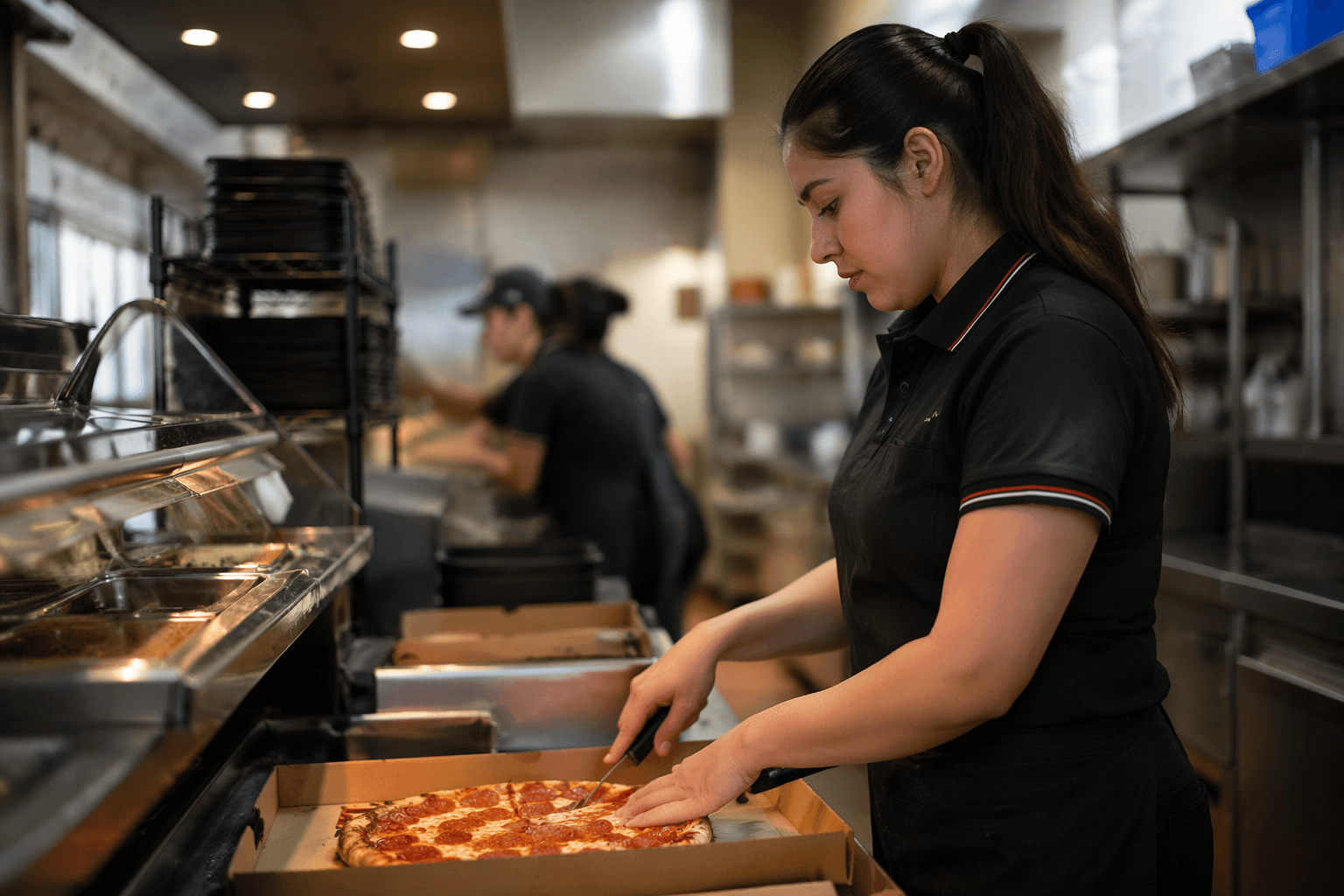
Pizza Hut workers can turn restaurant experience into resume gold
Pizza Hut shifts can become proof of speed, accuracy, and leadership if you describe them like operations work. The strongest resumes turn routine station time into measurable business value.
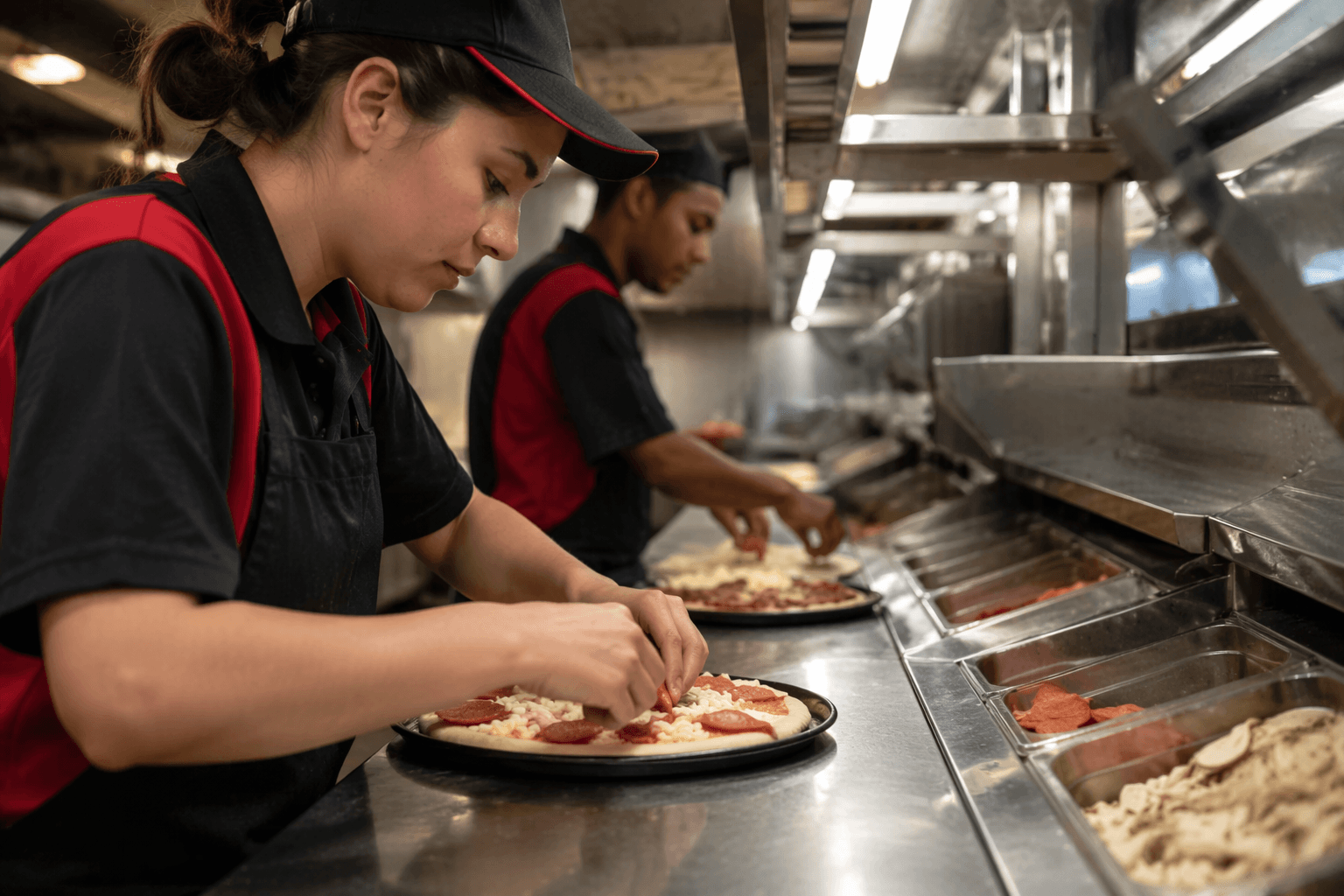
Start with the work, not the title
The fastest way to undersell Pizza Hut experience is to write “made pizzas” and move on. What you really did was keep a shift moving when tickets piled up, the phones rang, deliveries stacked, and the line had to stay accurate under pressure.
That is the story hiring managers can use. Pizza Hut’s own careers materials say every restaurant employee plays an important part in delivering a great guest experience, and the brand lists roles such as team member, customer service, delivery driver, shift leader, and restaurant leader or management. In other words, the job is already framed as operations, teamwork, and service. Your resume should sound like that too.
Translate station work into business language
Restaurant workers often describe their experience in the language of tasks. Employers, especially outside food service, read for outcomes. If you worked the makeline, the fryer, the oven, the counter, or the phone, the point is not that you performed a duty. The point is that you helped a high-volume operation stay fast, accurate, and calm when demand spiked.
A strong Pizza Hut bullet does not say only that you made pizzas. It says you helped maintain speed during peak periods, supported accurate order assembly, and worked across stations to keep service moving. That tells a hiring manager you understand pace, coordination, and quality control, three things that matter in hospitality, retail, logistics, and office jobs that need dependable people.
Here is the kind of translation that works:
- “Made pizzas” becomes “Kept peak-period production moving across stations while maintaining order accuracy.”
- “Delivered orders” becomes “Managed route efficiency, professional customer handoffs, and fast problem reporting to the store.”
- “Helped close” becomes “Covered closing duties that protected cash, stock, and next-shift readiness.”
- “Trained new hires” becomes “Onboarded teammates and helped stabilize coverage during busy shifts.”
- “Handled complaints” becomes “Resolved customer problems quickly to protect the guest experience and prevent service delays.”
That wording matters because it shows not just effort, but judgment. A hiring manager does not need to know Pizza Hut’s internal jargon to understand what it means to keep a shift from slipping.
Delivery work is more than driving
For delivery drivers, the resume should show that you did more than transport boxes. Delivery work at Pizza Hut includes route efficiency, customer handoffs, and accountability for orders that must arrive correct, intact, and on time. If you handled cash, verified orders, communicated delays, or dealt with a difficult handoff, those details belong on the page.
That is especially important in a market where delivery is crowded with alternatives and customers have more ways to order than ever. A Pizza Hut driver who can keep delivery flow organized, communicate clearly with the store, and recover when something goes wrong is showing a set of skills that translates far beyond pizza. Those skills signal reliability, composure, and the ability to protect customer satisfaction under real time pressure.
If tips are part of your income, the resume still should not read like a pay story. It should read like a performance story. The point is that you can represent the brand well at the door, keep the ticket moving, and solve problems without slowing the rest of the shift.
Shift leads and managers should write like operators
If you have run a shift, supervised a team, or managed the close, you already have more business language on your side than you may realize. Pizza Hut’s careers materials describe leadership as part of keeping shifts running smoothly and supporting teamwork, and that is exactly the framing employers outside restaurants understand.
For managers and shift leads, the strongest resume bullets usually point to scheduling, team coordination, inventory control, cash handling, quality standards, and customer recovery. Those are not just restaurant tasks. They are operational controls. A person who can balance labor, coverage, prep, and customer flow is already doing work that looks a lot like frontline management in other industries.
This is where local franchise dynamics matter. Pizza Hut says franchisees are the exclusive employer of restaurant employees and are solely responsible for employment-related matters in their restaurants. That means the exact structure of pay, scheduling, benefits, and advancement can differ by location, even when the brand is the same. If you are applying to another role, tailor your resume to the store-level reality you actually worked in, not a generic corporate version of the job.
Use the company’s own career path to your advantage
Pizza Hut’s recruiting materials give workers a useful clue: the company wants people to see restaurant jobs as stepping stones, not dead ends. The brand says it has a history of internal movement, including cooks moving to corporate offices and drivers becoming franchise owners. It also points to Life Unboxed EDU tuition discounts through Colorado Technical University for company and franchise organization employees.
That matters because it gives you a practical way to explain staying power and growth. If you moved from team member to shift leader, or learned new stations quickly, or took on closing, training, or cash duties, say so. You are not just listing tenure. You are showing progression.
The broader Yum! Brands system reinforces that scale. Yum! says it operates about 63,000 restaurants across 155-plus countries and territories and has about 1,500 franchisees. In a company that large, internal mobility is not a slogan, it is part of how the system keeps working. Pizza Hut also publicly said in 2021 that it and its franchisees were working to hire 40,000 new permanent team members by the end of that year, which shows how wide the hiring pipeline can be for workers who prove they can handle pressure.
Why this experience travels
Pizza Hut work is easy to dismiss only if you strip away the real demands. Food service is one of the biggest employers in the economy. The National Restaurant Association says the U.S. restaurant and foodservice industry employed 14.2 million people and generated $472.4 billion in total labor income in 2022. The U.S. Bureau of Labor Statistics says food and beverage serving and related workers usually learn on the job, typically need no formal educational credential, and often work early mornings, late evenings, weekends, and holidays. It also projects 5 percent growth from 2024 to 2034, with about 1,159,600 openings per year on average.
That is the hidden strength of Pizza Hut experience. It shows you can learn fast, work across shifts that are not built for comfort, and keep production moving when the room gets busy. In a labor market that still leaned on leisure and hospitality for 16.978 million employees in April 2026, that kind of reliability is not small. It is proof that you can operate under pressure and still deliver.
This article was produced by Prism’s automated news system from verified source data, official records, and press releases, then run through automated quality and moderation checks before publishing. The system is built and supervised by the people who set the standards it runs under. Read our full AI policy.
Did this article answer your question?