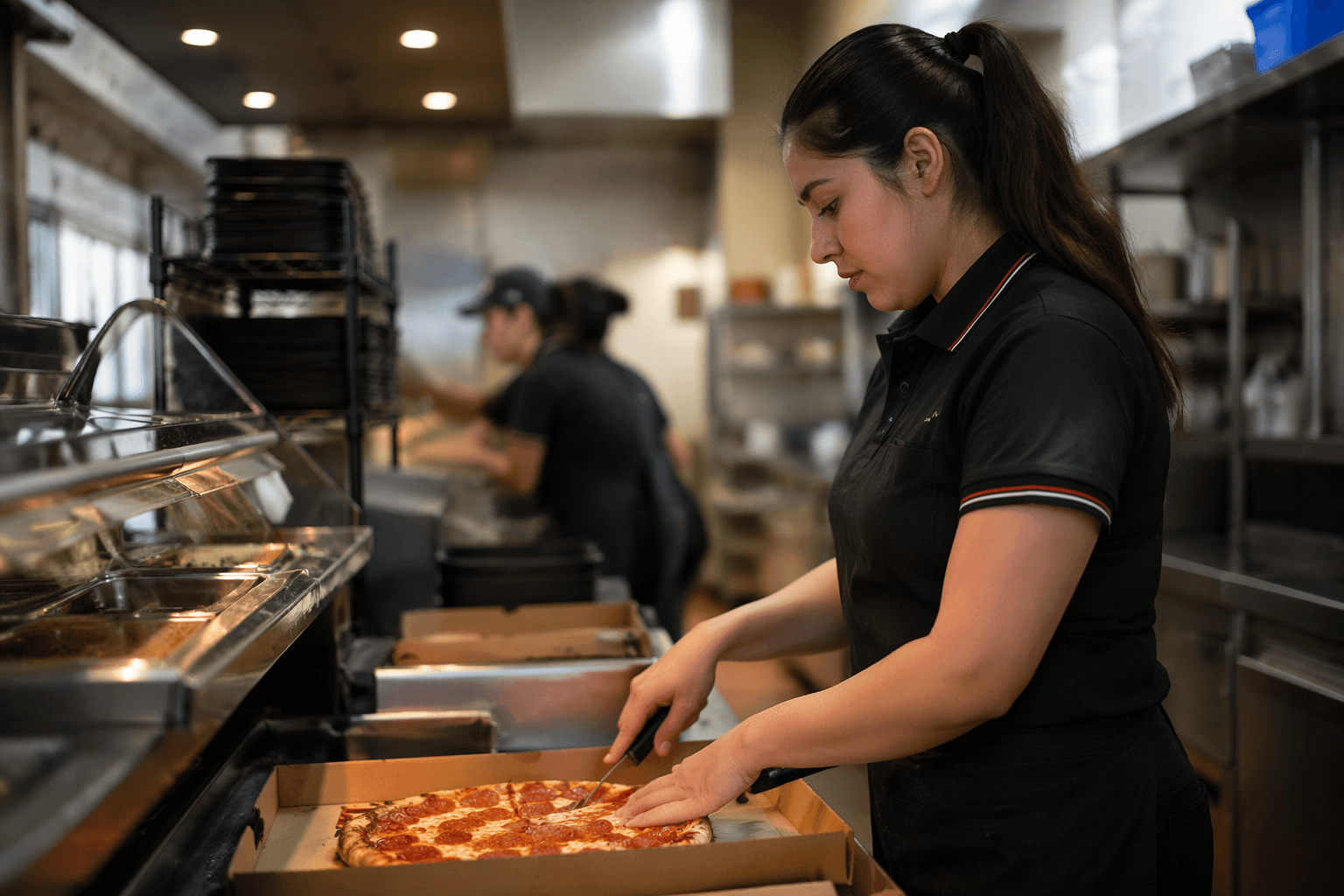
Pizza Hut workers can win with value, comfort, and familiar flavors
Pizza Hut's edge is not spectacle, it's simpler ordering, familiar food and value that feels real. Stores that make the handoff easier can keep guests coming back.
The anxious customer is still buying, but only if the experience feels easy
Pizza Hut is not losing customers only on price. It is losing them when the order path feels cluttered, the value message is hard to read, or the meal looks more like a promo maze than a dinner worth repeating. Technomic’s consumer research, discussed in National Restaurant News’ coverage of the National Restaurant Association Show, points to a shopper who is careful with money but still willing to spend for social time, better food and a break from the everyday grind.

That matters on the floor, at the make line and at the register. A guest who is already feeling squeezed can still say yes to Pizza Hut, but the pitch has to feel familiar, straightforward and worth it. For drivers, kitchen crews and managers, the business risk is not just a lower ticket. It is a lost repeat customer because the brand made a basic dinner feel harder than it needed to be.
What the consumer trend line actually says
Technomic’s read of the market comes down to five pressures shaping how people eat now. Paycheck-to-paycheck households are still going out, but they want a social experience and better food for the money. Health-maxxing is nudging demand toward protein and fiber. Younger consumers are unplugging from overly digital experiences and want more authentic service. They also favor familiar flavors, and nostalgia marketing is giving legacy brands a new opening.
That mix is a better fit for Pizza Hut than a lot of operators might admit. Pizza Hut has a recognizable menu, a national footprint and enough brand memory to sell comfort without explaining itself from scratch. The problem is execution: if the deal screen is crowded, the app flow is fussy or the handoff feels cold, the brand starts to look like one more digital chore instead of an easy dinner.
Why value at Pizza Hut has to look simple, not cheap
Yum! Brands has been clear that Pizza Hut needs help finding its next path. On November 4, 2025, the company announced a formal review of strategic options for the brand and said Goldman Sachs and Barclays were advising it. Yum also said there was no deadline for that review, which tells you the company sees this as a real reset, not a quick marketing tweak.
By February 2026, Yum said it planned to close about 250 underperforming U.S. Pizza Hut locations in the first half of the year, about 3% of the chain’s U.S. footprint. That is a blunt signal that weak stores are not being carried indefinitely. For managers, that makes the store-level basics even more important: check accuracy, speed, labor discipline and whether the menu boards and app offers are pushing the right mix.
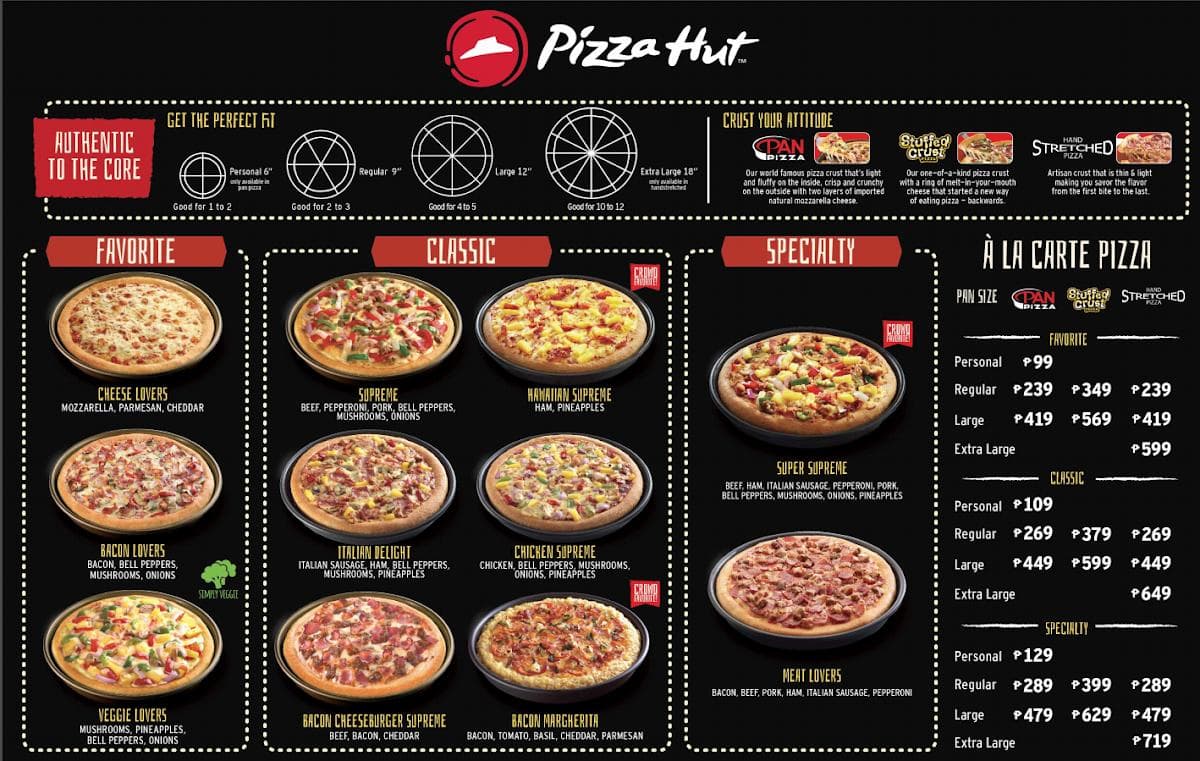
The lesson for teams is simple. Value works when it feels like a better meal, not a deeper discount trap. A clean bundle with a pizza, sides and a clear family price can do more than a pile of stacked promotions. Guests need to see what they are getting without doing mental math.
Digital still matters, but digital-only is not enough
Yum’s first-quarter 2026 results show how central digital remains to the chain’s future. The company said digital system sales topped $5 billion in the quarter, with a record digital mix of 63%, and total digital sales were approaching $11 billion across Yum. At the same time, Pizza Hut U.S. same-store sales were down 4%, which is the tension at the heart of the brand: a stronger digital engine does not automatically mean the Pizza Hut box is winning locally.
That gap is where the store experience still counts. Younger diners may live on phones, but they are also tired of screens doing all the talking. A fast app is useful; a clear voice on the phone, a clean pickup shelf and a smooth handoff can be the difference between a one-time order and a weekly habit. In dine-in stores and pickup-heavy locations, warmth is not an old-fashioned extra. It is part of the conversion.
Pizza Hut’s pilot restaurant design in Plano, Texas, points in that direction. The December 2024 test included pickup cabinets, self-service kiosks and the chain’s first U.S. Hut ‘N Go drive-thru menu. That is convenience with a purpose, not convenience for its own sake. It suggests the brand knows it has to reduce friction while still giving customers a physical place to trust.
What managers should do with bundles, menu boards and checkout
The consumer message is not to chase every trend. It is to make the familiar easier to buy. For Pizza Hut stores, that means the best-performing deals will likely be the ones that feel complete and understandable at a glance.
- Lead with clear family bundles and meal deals that explain the total value fast.
- Put familiar flavors front and center, because younger diners are showing more interest in recognizable food than novelty for novelty’s sake.
- Use the menu to make the upsell feel practical, such as adding a side or dessert to round out a meal, not like a pressure tactic.
- Keep checkout short and obvious, especially for guests ordering through the app, by phone or for pickup.
- Treat the handoff as part of the product, because a clean pickup experience can be the last thing that protects repeat business.
That approach fits the broader Technomic findings, especially the idea that consumer anxiety does not eliminate spending. It just raises the bar for why the money should leave the wallet. For Pizza Hut, every additional click, every confusing promo and every clunky handoff chips away at the very value the brand is trying to sell.
Loyalty now has to feel like actual value
Pizza Hut is also trying to reset its loyalty pitch. In April 2026, it relaunched Hut Rewards as a membership-style program that still uses points but puts more weight on value, digital enrollment through the app or online, and member-only experiences. That is another sign that the company wants a tighter link between convenience and return visits.
The loyalty move makes sense only if the experience around it is simple. A points program cannot fix a bad value story on its own. But if a guest sees a familiar pie, an obvious deal and a smooth digital path to ordering again, the membership can become a reason to come back instead of a reminder to keep shopping around.
Why the brand’s reset now depends on trust
Pizza Hut has long been one of the most recognizable legacy pizza brands in the United States, but the market around it has changed. Delivery-first rivals, changing habits and the pressure to sound current have pushed the company into repeated attempts to refresh its image. The brand also has new marketing leadership in the mix, including the March 2026 hiring of Nora-Kate O’Connell as chief marketing officer, after earlier leadership changes in 2024.
That turnover matters because the assignment is not cosmetic. The best chance for Pizza Hut now is not to out-flash competitors. It is to make value feel real, comfort feel dependable and ordering feel easier than the alternatives. In a market where consumers are anxious but still willing to buy, the stores that win are the ones that remove friction and deliver the familiar without making the guest work for it.
This article was produced by Prism’s automated news system from verified source data, official records, and press releases, then run through automated quality and moderation checks before publishing. The system is built and supervised by the people who set the standards it runs under. Read our full AI policy.
Did this article answer your question?