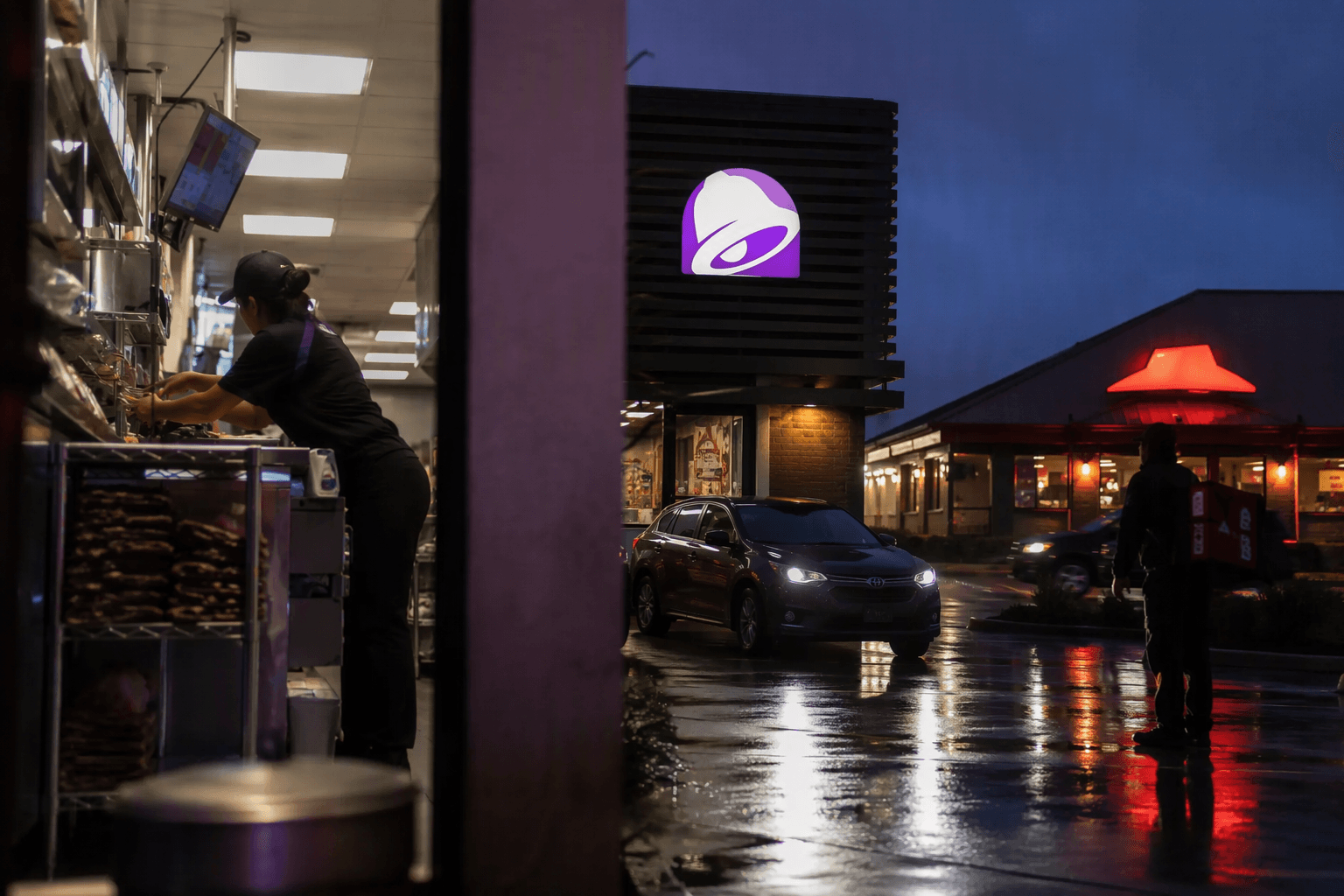
Pizza Hut workers face burns, cuts and strains in kitchens
Pizza Hut crews can cut injuries fast by locking down burns, cuts and strains at ovens, prep tables, dish sinks and delivery handoffs.
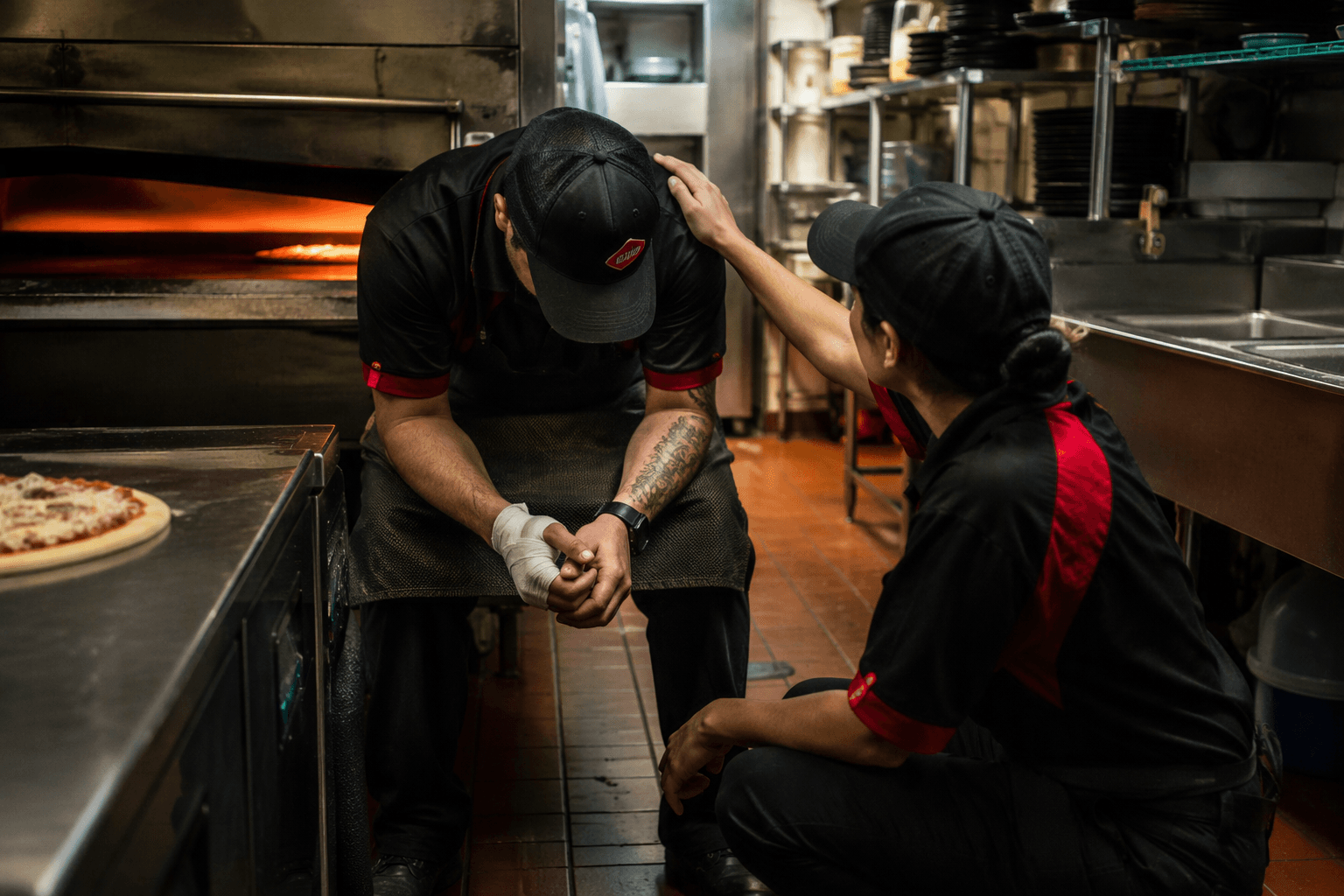
Burns from hot ovens and pans, cuts from sharp tools, and strains from lifting, twisting and moving fast through a crowded Pizza Hut store are usually the injuries most likely to wreck a shift. SAIF’s restaurant guidance covers those hazards directly, which fits a kitchen where prep, dish work and delivery handoffs all collide during a rush.
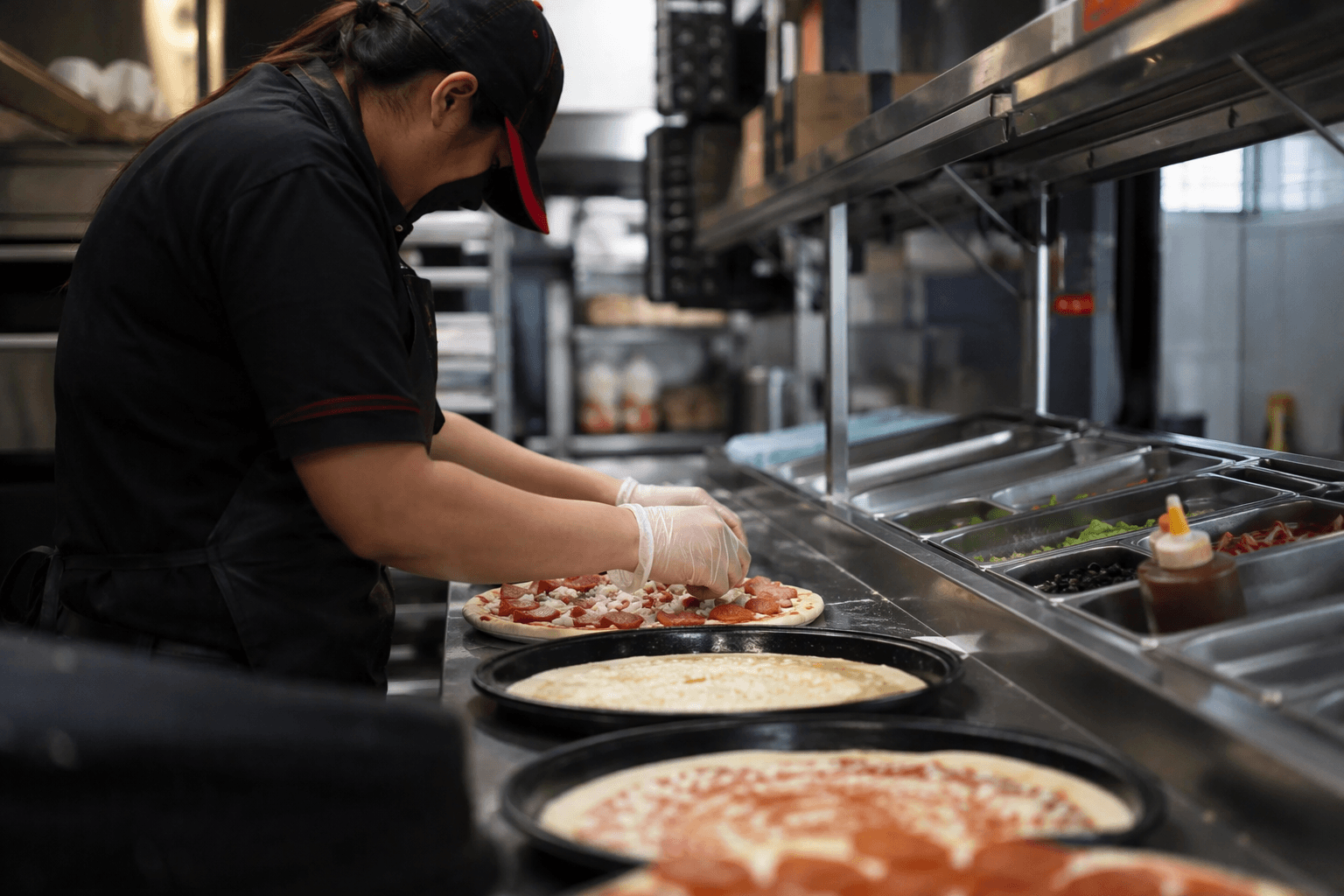
Millions of Americans work in restaurants and hospitality, especially teens and young adults. On a Pizza Hut line, newer crew members are often learning several jobs at once, while the pace can make shortcuts feel normal. OSHA’s young-worker restaurant eTools separate cooking from serving tasks. At the oven, on the make line and while carrying food to a driver, the risks change.
Burns and cuts start at the line
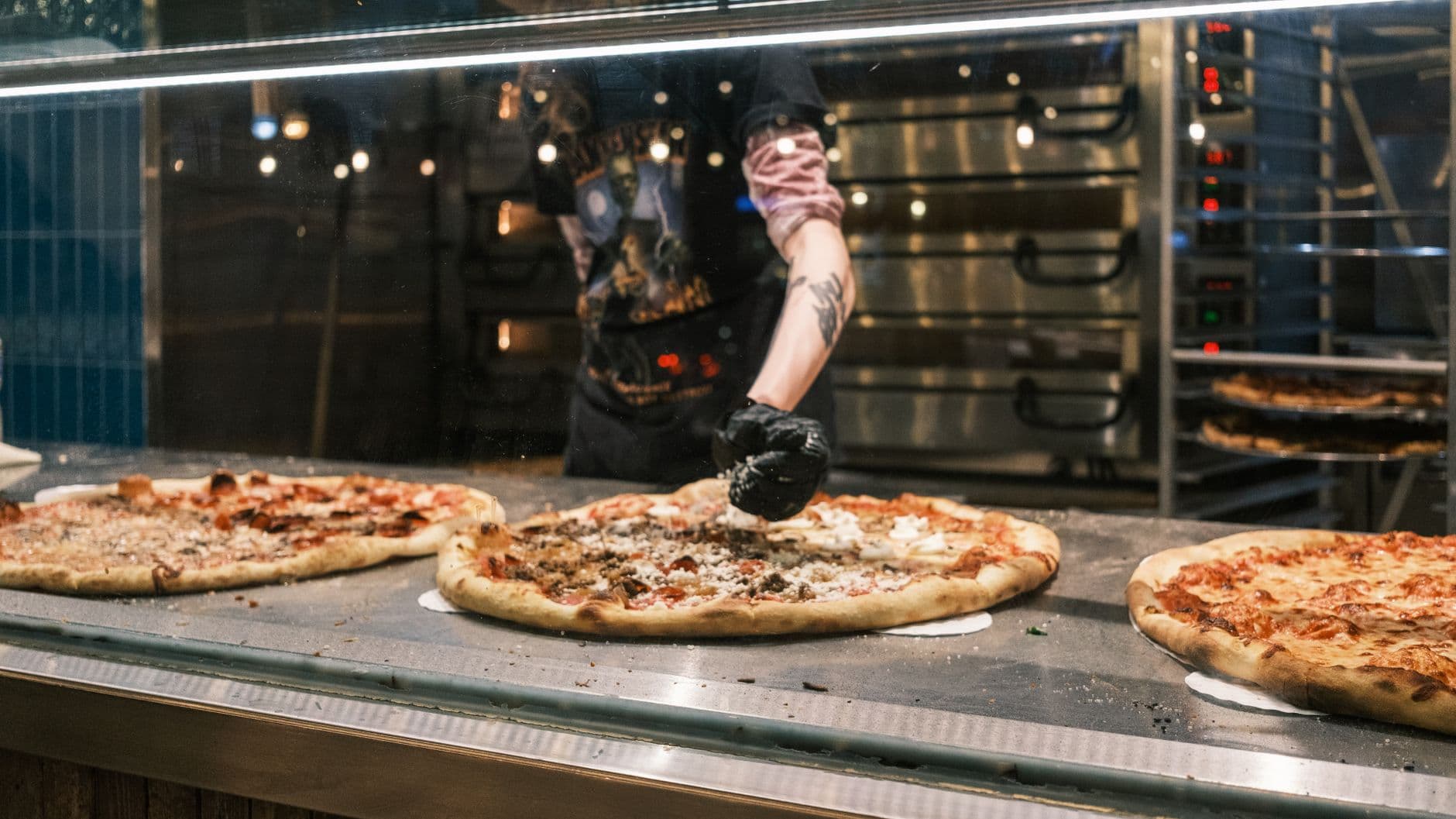
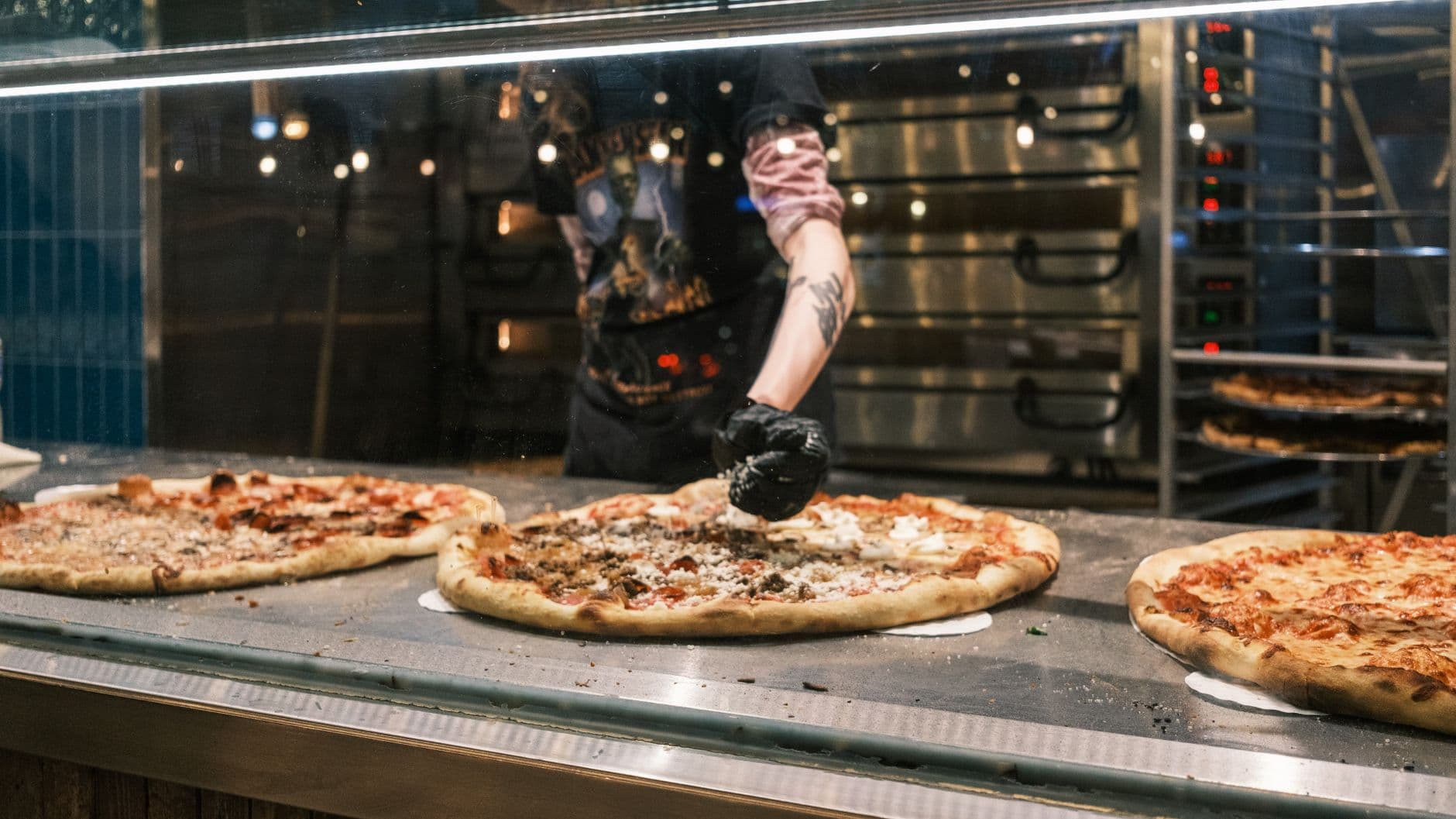
The first habit to build is simple: slow down long enough to control what is hot and what is sharp. When ovens, pans and other heated surfaces are in play, use proper gloves when needed, and make it routine to warn the next person before you move a tray, box or pan. In a small store, one worker backing up with hot food can collide with someone else turning a corner.
Cuts are just as predictable when tools are being used fast and put down wherever there is space. Keep knives, box cutters and other sharp tools in fixed places, not buried under stacks of boxes or paper goods, so hands do not reach blindly. The safest cutting habit at a Pizza Hut counter is the least dramatic one: controlled motion, clear counters and no rushing around corners where someone else may be carrying hot food.
Keep the floor and dish area from becoming the next injury
Wet floors, loose cords and cluttered walkways are the kind of hazards that turn a normal rush into a fall, a back tweak or a burned forearm. Keeping cords out of aisles and storing boxes and bags neatly sounds basic because it is basic, and that is exactly why it works. In a store that is short on space, the floor has to stay usable for people carrying food, trash, trays and dishes in both directions.
The dish area deserves the same attention because it combines water, heat and repeated reaching. Heavy stacks of plates, pans or containers should not be lifted in a hurry, especially when the shift is already moving fast. A quick clean-as-you-go routine keeps the sink area from becoming the place where a tired wrist gives out or a wet step sends someone into a rack.
Protect backs and shoulders before the dinner rush does it for you
SAIF’s restaurant guidance calls out back pain and strains or sprains because those injuries happen when workers twist under load or repeat the same motion all shift. That warning fits Pizza Hut work especially well: drivers haul stacked orders and insulated bags, kitchen crews lift trays and boxes, and managers often end up doing both. The job is not just heavy, it is repetitive, which is how small mistakes turn into missed shifts.
Good lifting habits are boring on purpose. Keep the load close, ask for help when the stack is awkward, and do not twist while carrying anything heavy from the prep area to the front counter or car. BLS injury data shows sprains, strains and tears were a major nonfatal workplace injury category in 2018.
Delivery drivers need a second safety check at the door
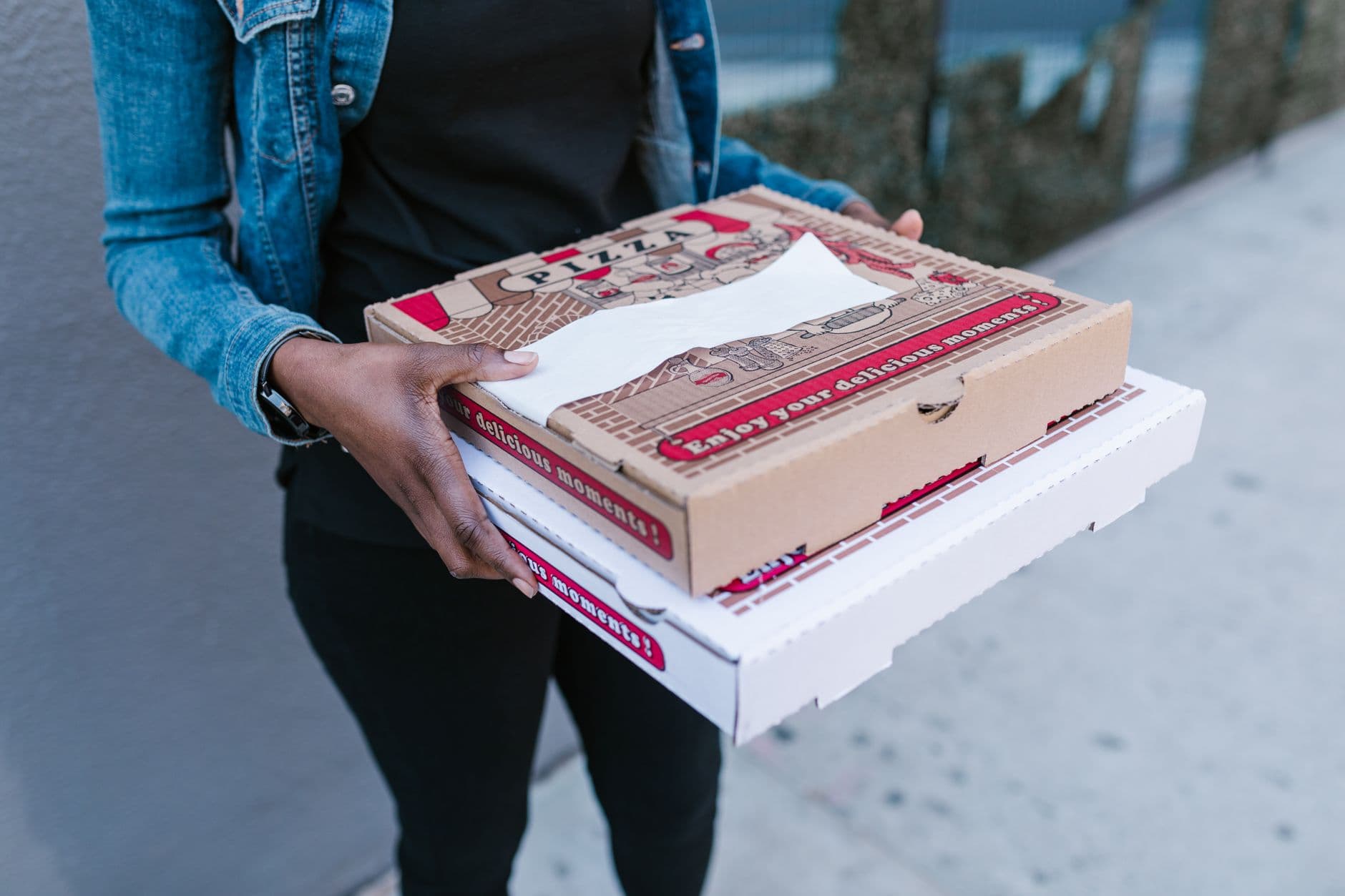
Pizza Hut delivery work does not stop at the store threshold. SAIF’s delivery-driver guidance lists slippery porch steps, cracked sidewalks, aggressive animals and rush-hour traffic as hazards a driver could face in a single shift. That is before the strain of carrying stacked orders, drinks and insulated bags out of the store, into a vehicle and back to the customer’s door.
The handoff is where a lot of avoidable injuries start. A driver who is balancing too much in one trip is more likely to miss a broken step, slip on a wet walkway or wrench a shoulder while trying to keep drinks upright. The safer move is to make the trip manageable, read the path before stepping out and treat speed as less important than footing, especially when traffic and weather are already tightening the window.
What managers can change before the shift starts
For managers, safety works best as a short, repeatable routine rather than a binder on a shelf. A 60-second pre-shift reminder can cover lifting technique, slip prevention, knife handling and clean work surfaces, and the message should be the same for kitchen crew and drivers. SAIF has also produced kitchen safety videos stores can use with new hires, younger workers and anyone moving into a new station.
The U.S. Bureau of Labor Statistics reported 93,800 nonfatal injuries and illnesses in full-service restaurants in 2019, and private industry employers reported 2.8 million nonfatal workplace injuries and illnesses in 2018.
This article was produced by Prism’s automated news system from verified source data, official records, and press releases, then run through automated quality and moderation checks before publishing. The system is built and supervised by the people who set the standards it runs under. Read our full AI policy.
Did this article answer your question?