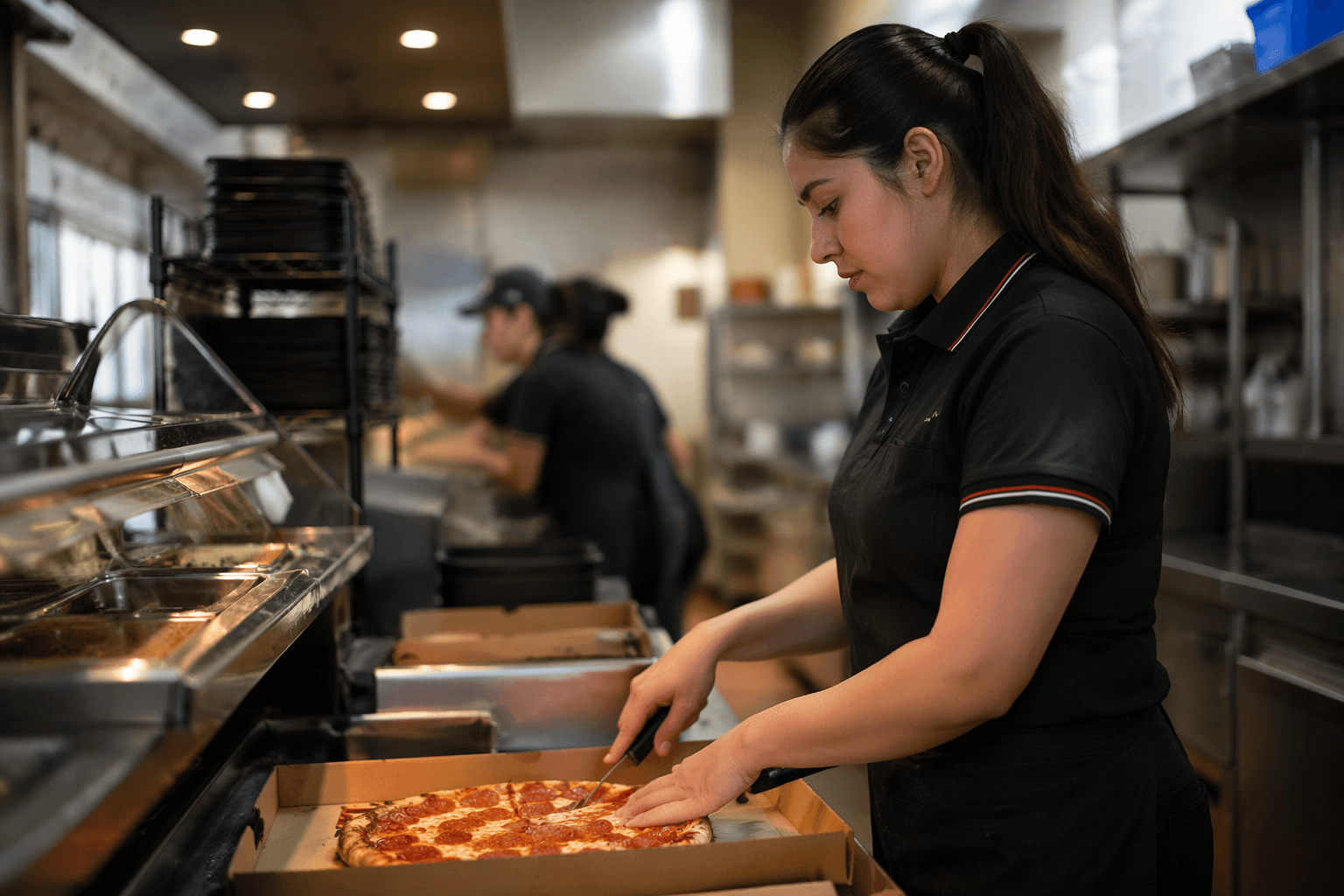
Pizza Hut workers face change as franchising shifts store control
Pizza Hut’s $2.7 billion sale could change who sets the pace inside stores, with staffing, standards and delivery pressure likely to shift first.
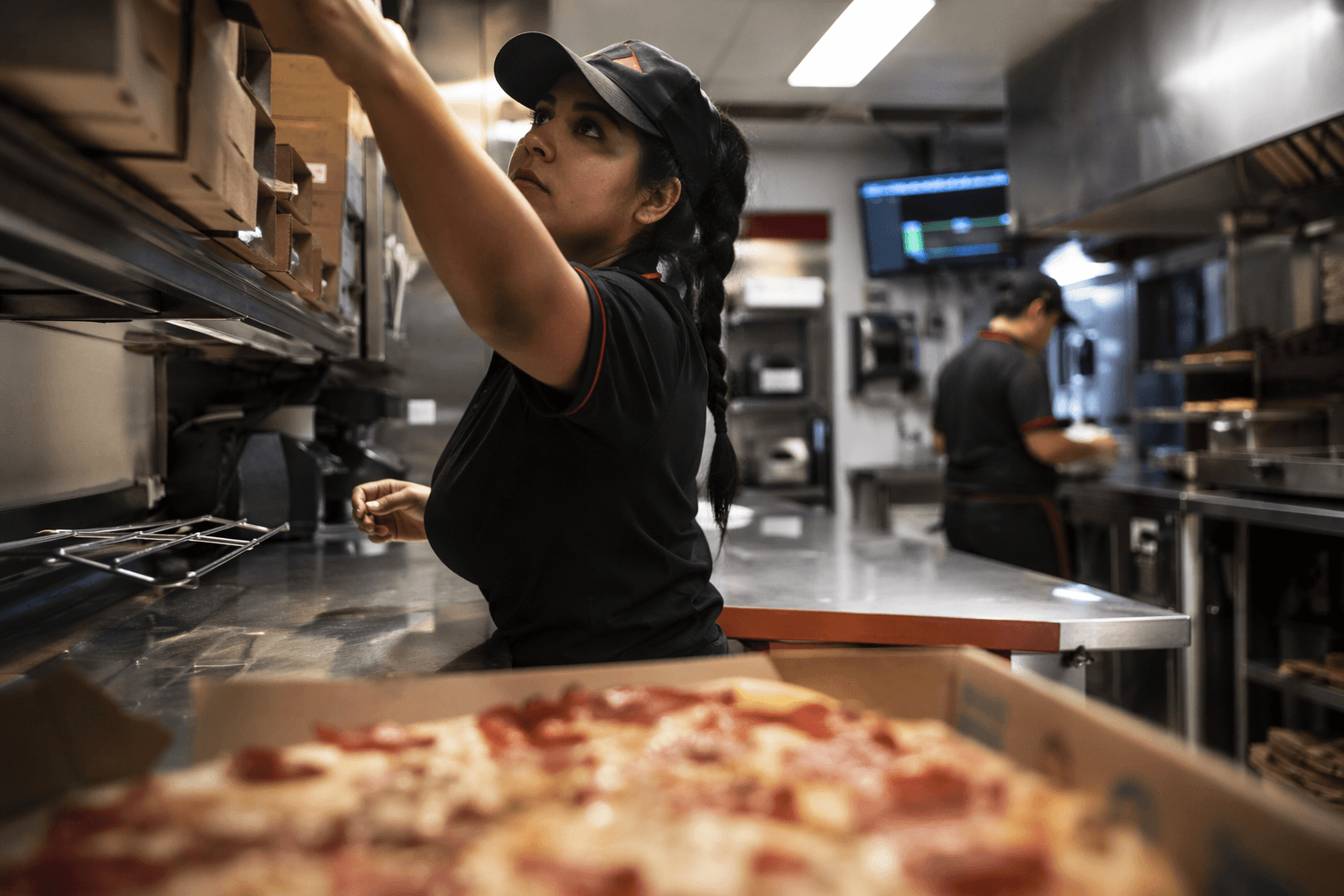
Pizza Hut’s $2.7 billion sale is less about a new logo on the wall than about who will control the day-to-day reality inside each store. When ownership changes, the first effects usually show up in scheduling, labor budgets, maintenance, and the pressure on managers to keep food and delivery times on track.
Red Robin’s move this month offered a familiar example. The chain said it would sell 86 restaurants to franchisees for $72.5 million in two separate deals, with 116 restaurants changing hands in all as part of a refranchising push meant to pay down debt. That kind of shift is common in restaurants when corporate owners want a faster reset: more operating responsibility moves to franchisees who can run stores more locally, but also more tightly.
Pizza Hut already lives deep in that model. Yum! Brands says the chain has more than 19,000 restaurants in 108 countries, and Yum’s system is run primarily by about 1,500 franchisees. Yum’s 2025 annual report said Pizza Hut U.S. was 99% franchised as of December 2023, which means store control already sits close to the ground even when the brand name stays the same.
That matters for workers because the legal employer at franchised locations is usually the local operator, not the parent company. Pizza Hut’s franchise disclosure materials distinguish between franchisees and licensees, and that difference shapes wages, scheduling, benefits, and labor disputes. A stronger operator can bring clearer standards and steadier hours. A stressed one can tighten labor, push managers harder, and leave crews with less room to breathe.
The June 16 deal only sharpened that reality. Yum said it entered definitive agreements to sell Pizza Hut for $2.7 billion in aggregate, with LongRange Capital buying the business outside China for about $1.5 billion and Yum China Holdings, Inc. taking the mainland China business for about $1.2 billion. The transaction is expected to close in the third quarter of 2026, pending regulatory approvals.
For drivers and kitchen crews, the pressure is practical. Stores with stronger delivery demand or better traffic tend to look more attractive to new owners, because margins are easier to protect. In a delivery market already shaped by DoorDash and Uber Eats, that can mean more focus on route volume, tip flow and speed, along with more scrutiny on labor costs and on-time service. Yum has also said Pizza Hut U.S. migrated to its Byte Kitchen & Delivery platform, another sign that the brand’s operational systems are becoming more central to how stores run.
Pizza Hut’s roots make the scale of this change clearer. Dan Carney and Frank Carney started the chain in Wichita, Kansas, in 1958, borrowed $600 from their mother, and began franchising in 1959. What began as a small family business is now a system where ownership structure shapes work on the line, in the driver seat and at the counter.
This article was produced by Prism’s automated news system from verified source data, official records, and press releases, then run through automated quality and moderation checks before publishing. The system is built and supervised by the people who set the standards it runs under. Read our full AI policy.
Did this article answer your question?