Pizza Hut workers face new IRS tip rules, payroll records still matter
Delivery drivers may see a tax break, but Pizza Hut stores still have to log tips and separate service charges.
The IRS’s new no-tax-on-tips rule could trim some workers’ federal tax bills, but it does not erase the paperwork Pizza Hut stores still need to keep. The final regulations, known as TD 10044, took effect June 12, 2026, and apply to tax years 2025 through 2028.
For Pizza Hut operators, the key question is not whether tips matter anymore. It is which payments qualify, who gets to claim them, and whether the store can prove the numbers later. The IRS says qualified tips must be voluntary and not subject to negotiation. Extra amounts added to a bill, including mandatory service charges, are not tips and are generally treated as wages when they are distributed to employees.

That distinction matters in a restaurant where a driver, a cashier, a shift lead and a kitchen crew member may all touch the same order. Tips can still be counted through mandatory or voluntary tip-sharing arrangements such as a tip pool, but the final regulations only cover occupations that customarily and regularly received tips on or before Dec. 31, 2024. For Pizza Hut, delivery drivers are the clearest match, while managers should not assume every store role fits just because money moves through the tip line. The practical test is whether the job actually fits the IRS definition, not whether the store is busy on a Friday night.
The rule also changes tax filing, not the underlying wage system. IRS guidance says the deduction is claimed on Schedule 1-A, Form 1040, and some taxpayers may need to file an amended return to claim it. All tips still have to be reported as income on the federal return, even when a worker qualifies for the deduction. Treasury and IRS said they received more than 300 comments before finalizing the regulations, and the proposal drew a public hearing on Oct. 23, 2025.
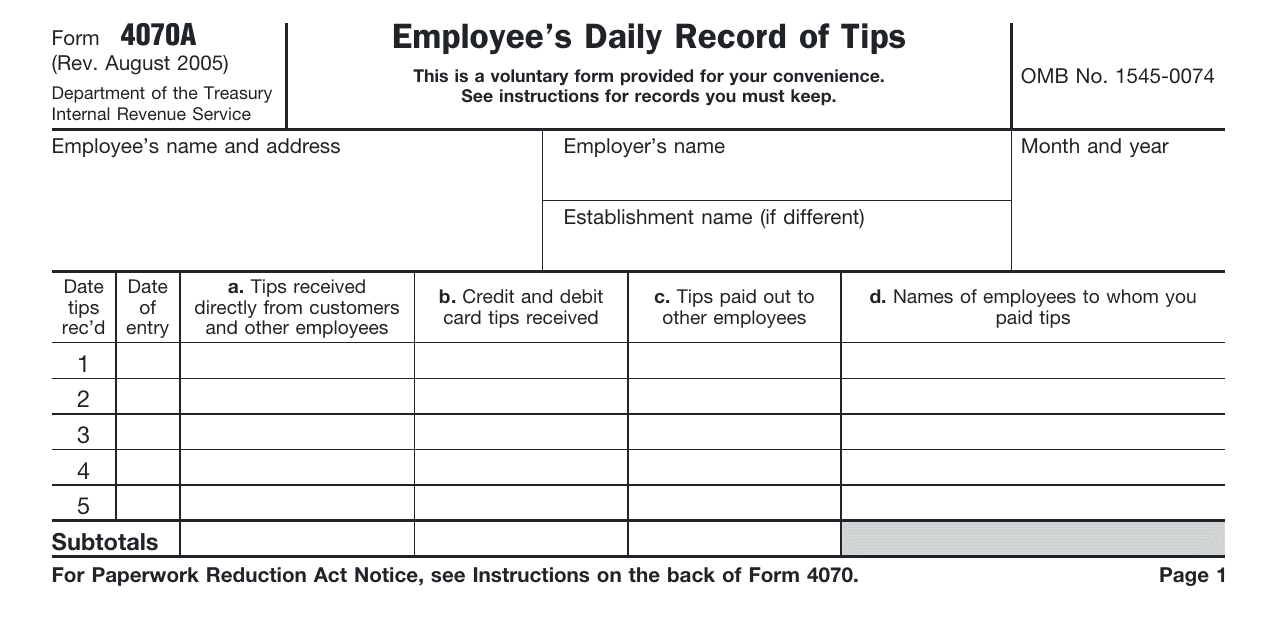
That leaves Pizza Hut payroll teams with a store-level job to do: train managers on what counts as a tip, make sure point-of-sale codes match payroll records, and keep clean documentation for year-end reporting. The federal wage-and-hour rules did not change with the tax deduction, either. Under the tip-credit system, employers can generally pay a cash wage of $2.13 an hour if tips plus direct wages bring the worker to the federal minimum wage of $7.25 an hour. For workers and operators alike, the new rule is about take-home tax treatment, not a simpler payroll system.
This article was produced by Prism’s automated news system from verified source data, official records, and press releases, then run through automated quality and moderation checks before publishing. The system is built and supervised by the people who set the standards it runs under. Read our full AI policy.
Did this article answer your question?