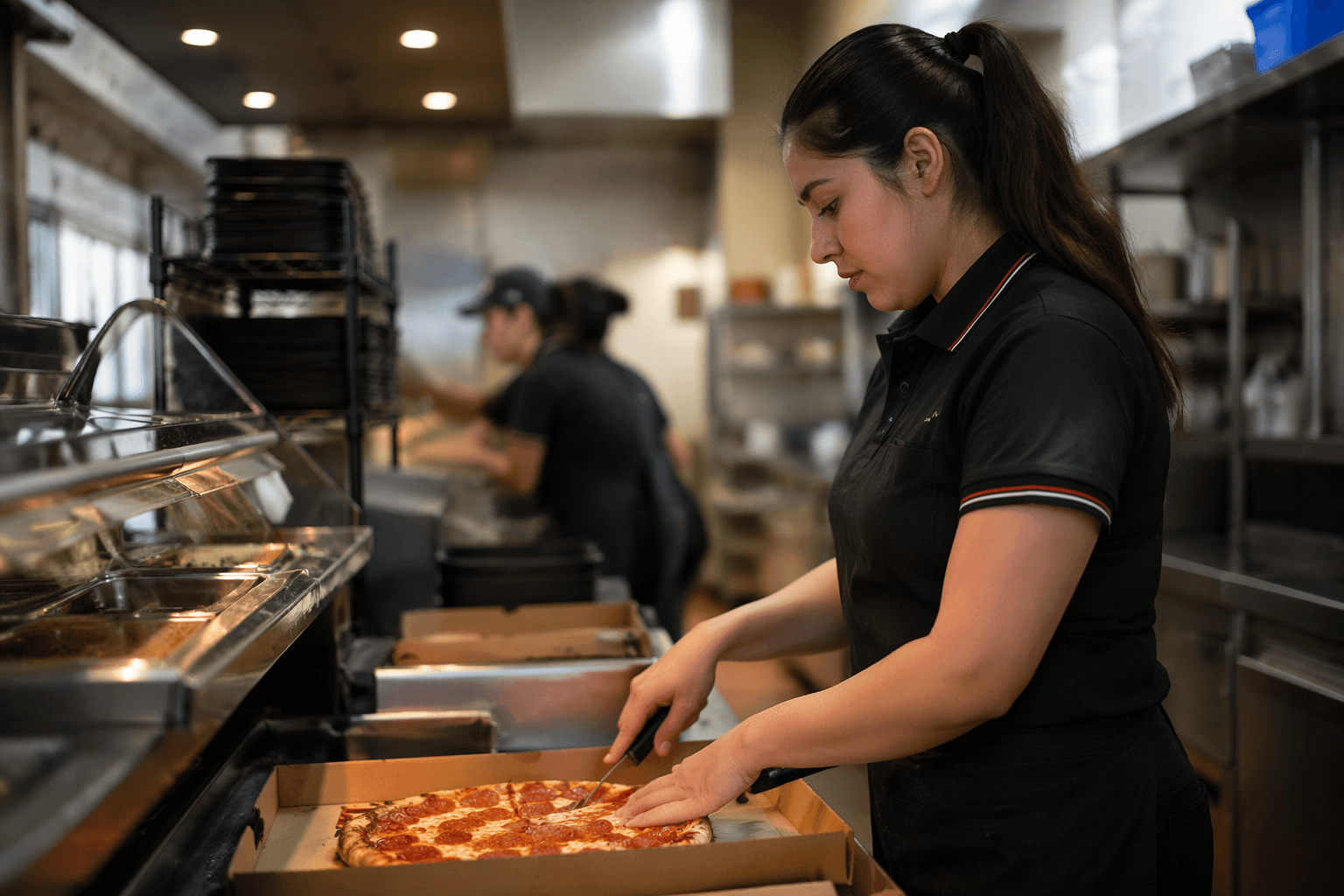
Pizza Hut’s franchise model means local owners make key decisions
The Pizza Hut logo is shared, but the legal employer at your store may be a franchisee, and that shapes pay, staffing, hours, and stability in ways workers can feel fast.
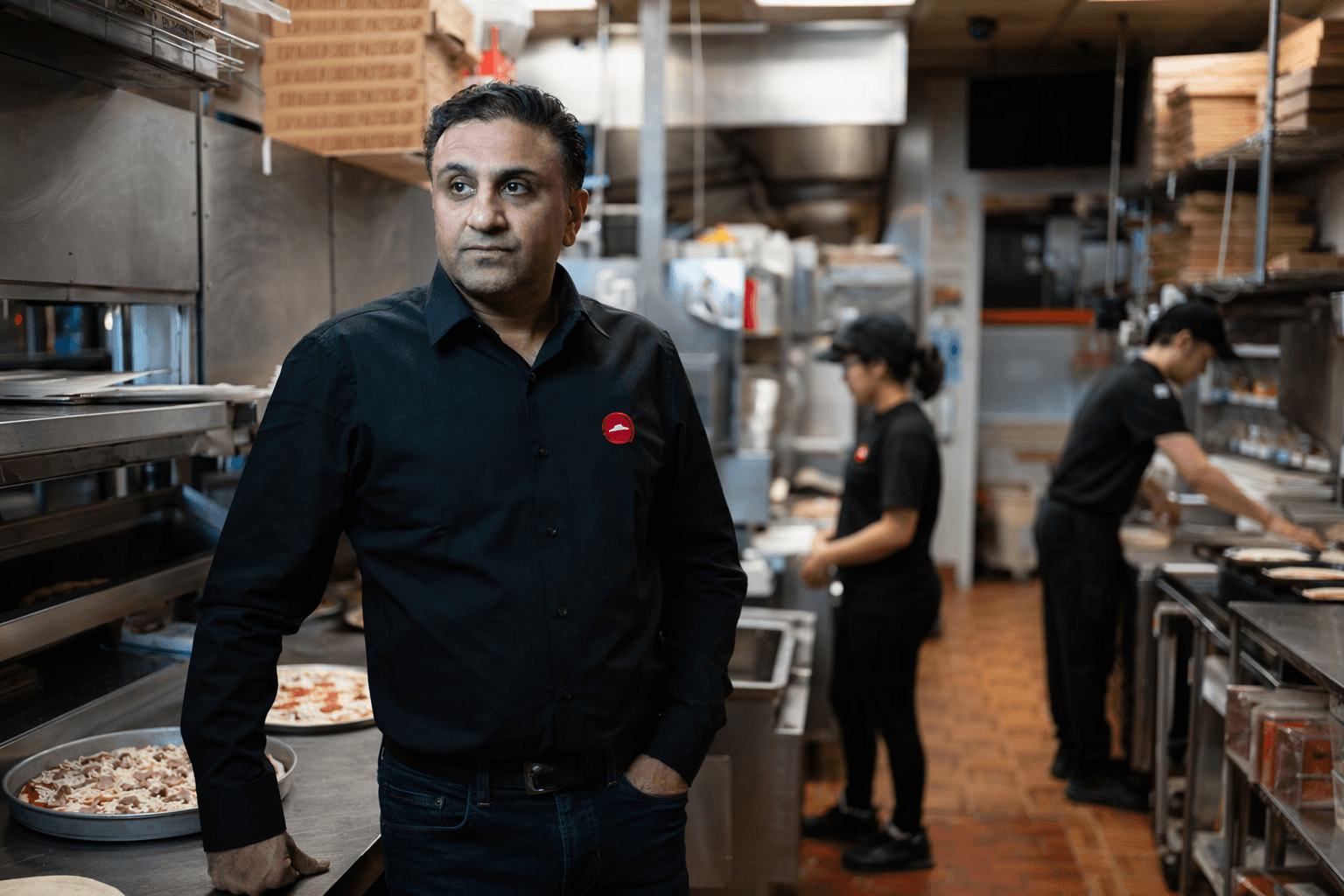
The brand is the same, but the boss may not be
Pizza Hut looks like one system from the outside, but for workers it can function like a patchwork of local employers. One store may be run by a large franchise group with deep pockets and another by a smaller operator trying to survive thin margins, and that difference can show up in payroll, staffing levels, scheduling, uniforms, and how strictly policies are enforced.

That is the hidden fact behind a lot of Pizza Hut confusion: the logo on the box is national, but the people making day-to-day decisions are often local owners. The Federal Trade Commission says franchise buyers must get a disclosure document with 23 specific items so they can weigh the risks and benefits before investing. The U.S. Small Business Administration describes franchising as a model where a franchisor sells the rights to use its name, logo, and business system to an independent franchisee. In plain terms, the brand is shared, but the operating company at your store may not be the same entity making every call.
How Pizza Hut grew, and why the franchise model is baked in
Pizza Hut’s own origin story is small-town and local. The company says it began in 1958 in Wichita, Kansas, when two brothers borrowed $600 from their mother to open a pizza place. Wichita State University’s Pizza Hut Museum says the first franchised restaurant opened in Topeka, and that early franchising helped turn a local business into a national chain.
That structure still defines the brand today. Yum! Brands said in its 2024 annual report that it has about 1,500 franchisees operating more than 61,000 restaurants in over 155 countries and territories. Yum! also said more than half of its system sales came through digital channels in 2024, and that Pizza Hut U.S., KFC U.S., and Taco Bell U.S. were all operating on Byte digital ordering, with 25,000 Yum restaurants using at least one Byte by Yum! product.
For workers, that matters because the corporate side can set broad systems while local owners decide how heavily to staff a shift, how fast to adopt new tools, and how much money to put into day-to-day operations. A corporate rollout can exist on paper, but whether a store is fully staffed enough to use it well can depend on the franchisee writing the checks.
What local ownership changes on the clock
Pizza Hut’s own franchise FAQ makes the split between brand control and local control easy to see. Prospective franchisees go through an 8 to 12 week operations training program in Plano, Texas. For traditional locations, the initial franchise fee is $25,000, along with a 6% monthly service fee and a 4.75% national advertising fee. Non-traditional license locations have different fees.
The company also says Item 19 of the franchise disclosure document is where buyers can look for financial performance representations, while Item 20 lists domestic franchise restaurants and franchisee names. That is useful not just for investors but for workers who want to know who actually owns the store and whether that operator runs multiple units or just one.
- how many drivers and kitchen crew are scheduled on busy nights
- whether a store is quick to hire after turnover
- how aggressively managers push local promotions
- how reliably uniforms, equipment, and tech upgrades arrive
- how consistent policies feel from one location to the next
This is where the franchise model becomes more than a legal detail. It can affect:
If two Pizza Hut stores in the same metro area seem to run differently, that is often because they really are different businesses wearing the same name.
Why one Pizza Hut can feel stable while another is under pressure
The last few years have shown how much hinges on the health of individual franchisees. Restaurant Dive reported that Pizza Hut had just seven company-owned units as of Sept. 30, 2024. That same reporting said the company bought 18 stores from EYM Pizza for $720,000 in a bankruptcy auction in early 2025. EYM had operated about 140 Pizza Hut restaurants across five states before bankruptcy.
Restaurant Business reported that Pizza Hut sued EYM in 2024 over unpaid royalties and poor performance, and that EYM later filed for Chapter 11 bankruptcy protection. The same reporting said EYM’s same-store sales fell 10% from 2019 to 2023, while Pizza Hut’s systemwide same-store sales rose 7% over the same period. That gap tells you something important: not every franchise operator is hit the same way, and not every store experiences the same level of investment or strain.
For workers, a troubled franchisee can mean more than headlines. It can lead to closures, ownership transfers, new managers, and changes in scheduling or store standards with very little warning. In EYM’s case, multiple locations in Indiana and Ohio closed in mid-2024 as Pizza Hut worked to transition them to other owners. When a store changes hands, the brand name may stay on the door, but the people deciding your hours and payroll often change overnight.
The growing scale of big franchise groups
Pizza Hut’s franchise world is also getting more concentrated. Flynn Group said it entered the Pizza Hut system in 2021 by acquiring more than 900 U.S. restaurants, and it says it is now the largest Pizza Hut franchisee in the world. That kind of scale can bring more resources, but it can also mean local stores are managed inside a much larger corporate-style franchise machine.
That matters because workers can have very different experiences even within the same chain. A well-capitalized franchisee may be able to absorb labor costs, keep staffing steadier, and invest in technology faster. A weaker operator may lean harder on lean shifts, slower maintenance, or uneven enforcement just to stay afloat. Same brand, very different working conditions.
How to figure out who really employs you
If you work at Pizza Hut, the most useful question is not just whether the store is “Pizza Hut.” It is who the franchisee is and what decisions are made locally versus systemwide. The franchise disclosure document is built to help buyers evaluate that relationship, and the same framework can help workers understand it too.
A practical check starts with the name on your pay stub, your manager’s legal employer, and whether your location is company-operated or franchise-operated. The company’s Item 20 disclosure can identify domestic franchise restaurants and franchisee names, which is the clearest way to connect your store to the actual operator behind it. Once you know that, it is easier to understand who controls staffing levels, who decides on pay adjustments, who approves schedule changes, and who is responsible when a store is sold or restructured.
At Pizza Hut, the brand may be national, but the employment experience is local. That is why two workers can wear the same shirt and live very different work lives, depending on which franchise owner is running the store.
This article was produced by Prism’s automated news system from verified source data, official records, and press releases, then run through automated quality and moderation checks before publishing. The system is built and supervised by the people who set the standards it runs under. Read our full AI policy.
Did this article answer your question?