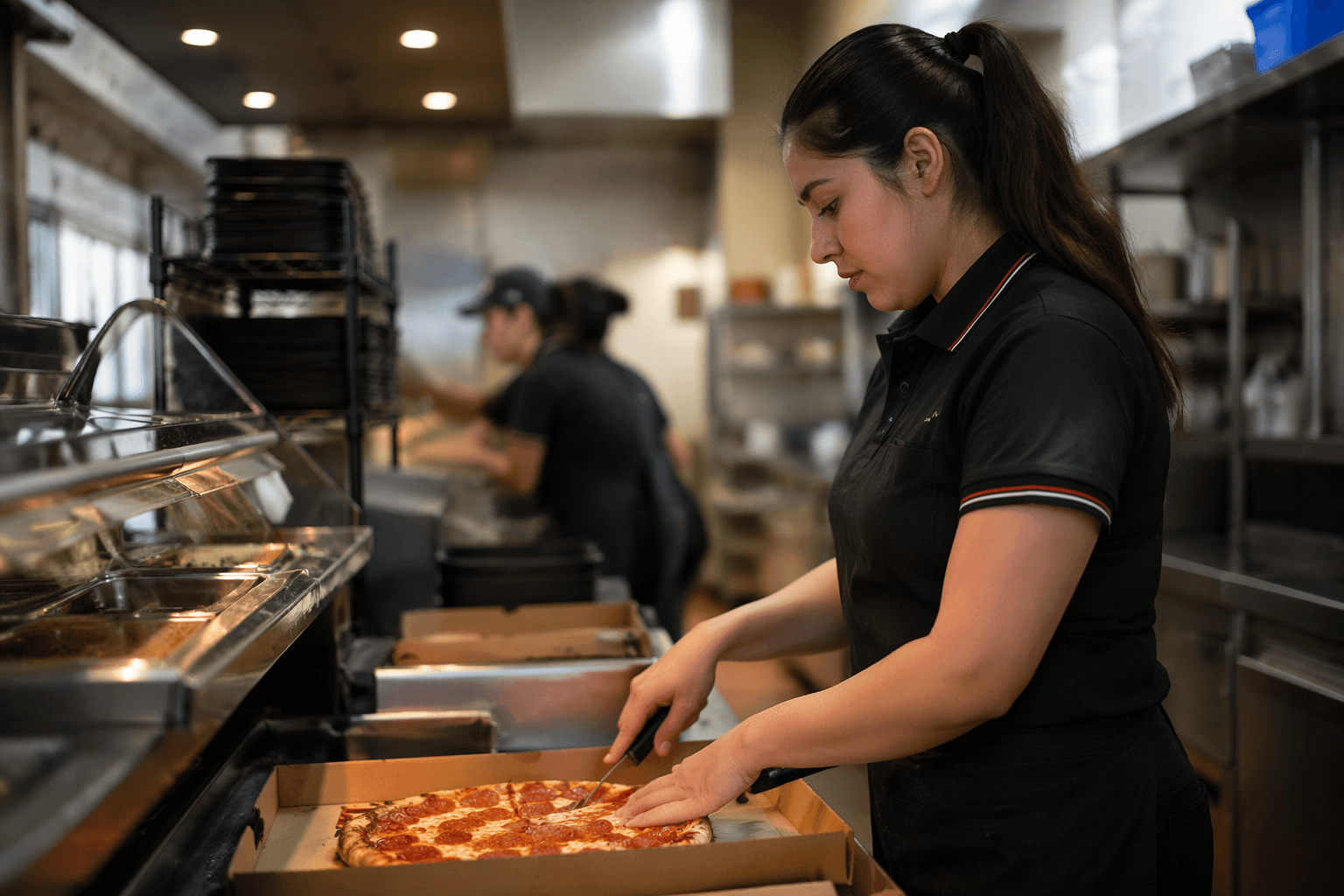
Pizza Hut’s strategy struggles reflect a changing fast-food market
Pizza Hut’s latest reset is really a store-level squeeze: more closures, more tech, and more pressure on the people running delivery, carryout, and dine-in. For franchise teams, the strategic review signals that execution now carries real corporate consequences.

What Pizza Hut’s strategy fight means on the ground
The fastest way a Pizza Hut store gets into trouble is by being too complicated for a market that has stopped rewarding complexity. That is the real story behind Yum! Brands’ review of strategic options for Pizza Hut: a legacy chain built for dine-in, carryout, and delivery is trying to hold its place in a business now shaped by third-party delivery, discount wars, and customers who expect speed with less friction.
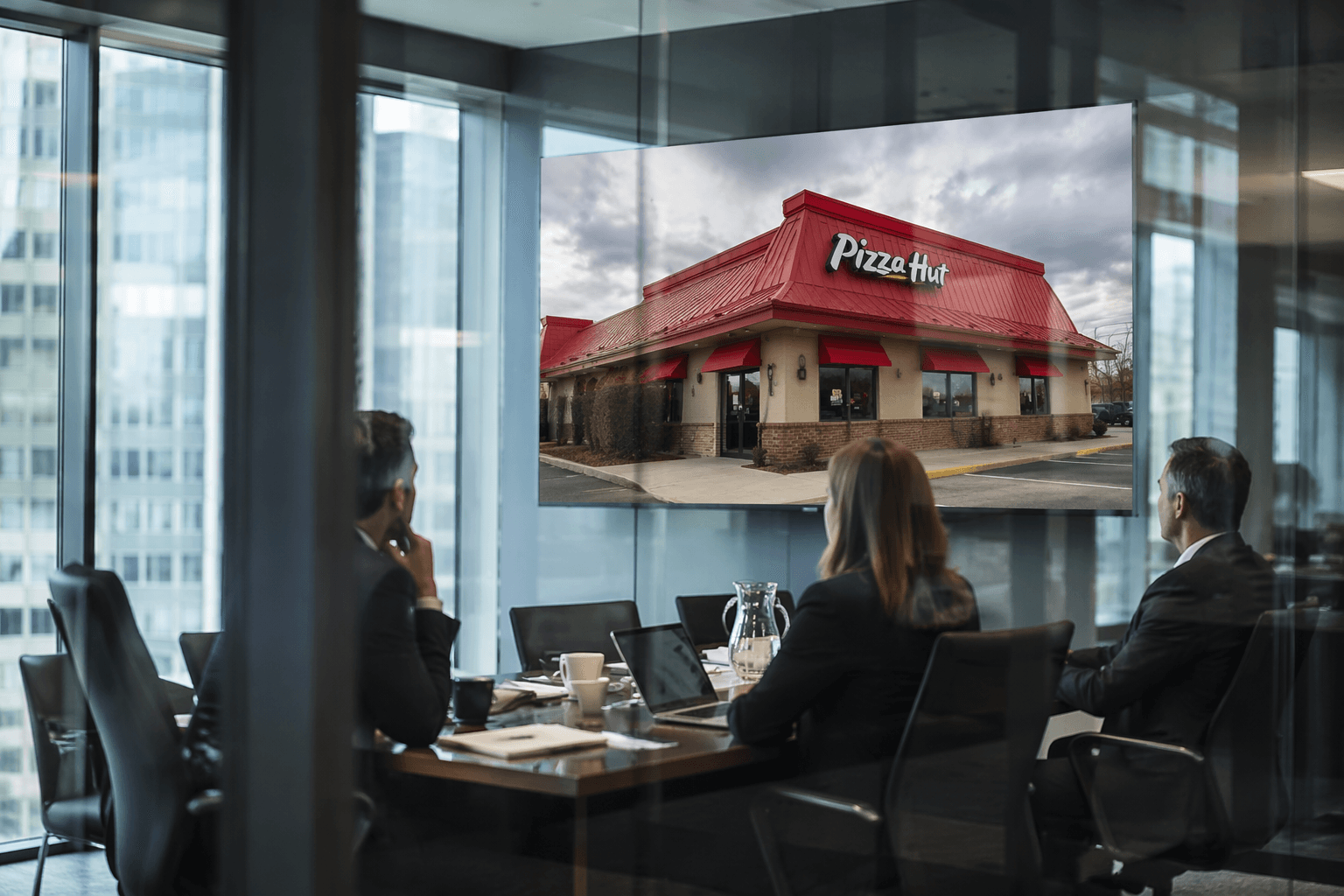
For the people inside the system, that matters far beyond Wall Street language. A store that runs with too many menu promises, too many handoffs, or a delivery setup that leans too heavily on outside platforms can create delays, higher labor strain, and weaker consistency. In Pizza Hut’s case, the strategy problem is not abstract. It is the daily work of getting food out the door in a way that can still compete with Domino’s, Little Caesars, and the delivery apps sitting in between.
Why the review happened now
Yum! Brands formally announced a review of strategic options for Pizza Hut on November 4, 2025, after new chief executive Chris Turner took over on October 1, 2025. The company said the process could lead to multiple outcomes, including a sale or other structural changes, and Turner has said the brand’s performance suggests more action may be needed, including options that might be better executed outside Yum!.
That is a big statement for a chain with Pizza Hut’s history and size. Yum says Pizza Hut has more than 19,000 restaurants in 108 countries, while Yum’s overall portfolio spans more than 63,000 restaurants in 155 countries and territories. But the scale has not solved the core issue: Pizza Hut has been trying to find a model that works while rivals have leaned harder into clearer identities around value, convenience, or operational simplicity.
For franchisees and managers, the review is a warning that this is no longer just a branding problem. It is a systemwide business question about what kind of Pizza Hut can survive the current market and which store formats, labor models, and delivery strategies are still worth backing.
The numbers showing up inside the business
The pressure is visible in the latest sales and store-count data. Pizza Hut’s U.S. same-store sales fell 6% in the third quarter of 2025, and the brand had recorded declines for eight straight periods. By the end of Q3 2025, Pizza Hut had 19,872 locations, down from 19,927 a year earlier.
Those numbers help explain why Yum! said it would close about 250 underperforming U.S. Pizza Hut restaurants in early 2026 as part of a broader marketing-and-technology push. Closures like that are not just a corporate clean-up exercise. In franchise systems, they usually force hard conversations about local demand, labor scheduling, remodel expectations, delivery radius, and whether a store is still being asked to do too many things at once.
For workers, a round of closures and a strategic review often means more change management, not less. New campaigns can bring new prep standards. New technology can change how orders flow from app to make line. And a push to improve performance can make local managers feel squeezed between corporate deadlines and the reality of a busy Friday night.
Why Pizza Hut keeps getting compared with Domino’s and Little Caesars
Pizza Hut’s challenge is not simply that sales fluctuate. It is that the brand has spent years moving between identities while competitors have stayed more legible. Domino’s built a reputation around convenience and delivery. Little Caesars built one around value and speed. Pizza Hut, by contrast, still carries the weight of its old dine-in era even as it tries to win in a market that rewards leaner execution.
That creates a structural problem for store teams. If the menu is trying to do everything, production gets harder to standardize. If the store format is too complex, service slows down. If delivery relies on too many outside handoffs, the store loses control over the customer experience. Every one of those issues lands on the people actually making the pizza, packing the orders, answering the phone, and dealing with drivers and customers when timing slips.
The company’s own history makes that tension more visible. Pizza Hut was founded in Wichita, Kansas, in 1958 by Frank and Dan Carney, who borrowed $600 from their mother to get started. The brand began franchising in 1959 and became the world’s largest pizza chain by 1971. PepsiCo acquired Pizza Hut in 1977, then spun off its restaurant division in 1997, creating the path that eventually led to Yum! Brands. A chain that grew out of a small Kansas storefront is now fighting to stay relevant in a market built around apps, discounts, and faster unit economics.
Technology, nostalgia, and the search for a new formula
Yum! has tried to support the reset with technology and brand refreshes. In 2025, the company launched Byte by Yum!, an AI-driven restaurant technology platform, as part of its broader digital strategy. In 2026, it also highlighted retro Pizza Hut concepts, including the red roofs and red cups that once made the brand feel unmistakable.
That mix tells you a lot about where the company is headed: part modernization, part memory. The tech push is meant to make the system faster and more efficient, while the nostalgia campaign tries to reconnect Pizza Hut with the brand identity that older customers still recognize. But nostalgia alone does not solve the operator math. If labor is tight, delivery competition is fierce, and a store model still has too many moving pieces, the floor team absorbs the strain no matter how polished the marketing looks.
What to watch from here
The most important takeaway is that Pizza Hut is not underperforming in a vacuum. It is navigating a structural shift in how pizza gets bought, delivered, and valued, and the company’s response now includes closures, a formal strategic review, and a heavier bet on technology.
For franchise owners, that means every operational choice has become more strategic. For managers, it means the margin for error is smaller. For kitchen crews and delivery drivers, it means the next round of change is likely to show up first in the store, where the brand’s big decisions become line speed, handoffs, and the nightly scramble to keep orders moving.
This article was produced by Prism’s automated news system from verified source data, official records, and press releases, then run through automated quality and moderation checks before publishing. The system is built and supervised by the people who set the standards it runs under. Read our full AI policy.
Did this article answer your question?