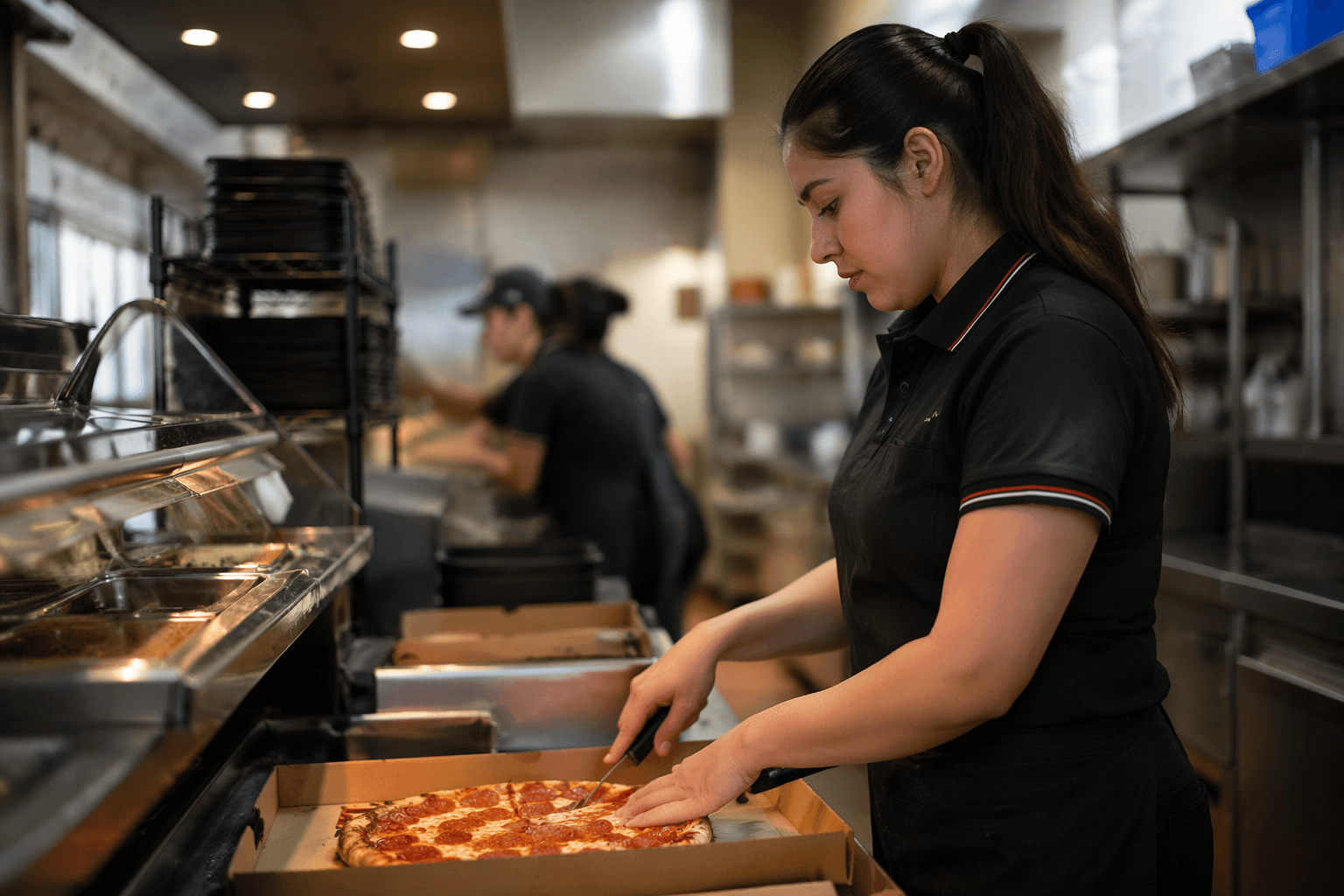
Restaurant groups push immigration reform as staffing pressure grows
Restaurant groups are tying immigration reform to store staffing, warning that visa delays and tighter rules could leave Pizza Hut franchises short on drivers, cooks, and shift leaders.

Restaurant groups are pushing immigration reform less as a Washington fight than as a store-level staffing fix. The National Restaurant Association said its 2026 agenda includes immigration reform because restaurants rely on a labor pool that is already tight, and any slowdown in work visas or hiring rules can ripple straight into schedules, service speed, and store coverage.
That matters at Pizza Hut, where most U.S. restaurants are independently owned and operated by more than 100 franchise organizations. The brand says it has more than 16,000 restaurants and 350,000 team members across more than 100 countries, a footprint that depends on local operators keeping kitchens, delivery runs, and shift coverage steady through peak periods.
The association said comprehensive immigration reform should protect long-serving employees, fix the work-visa system, and build a modern immigration system for the future. It has also said nearly 1 in 4 restaurant workers was born outside the United States, underscoring how deeply immigrant labor is woven into the industry’s day-to-day staffing model. In May 2026, association policy staff said current U.S. demographic trends are shrinking the labor pool, making the issue one of workforce stability as much as politics.
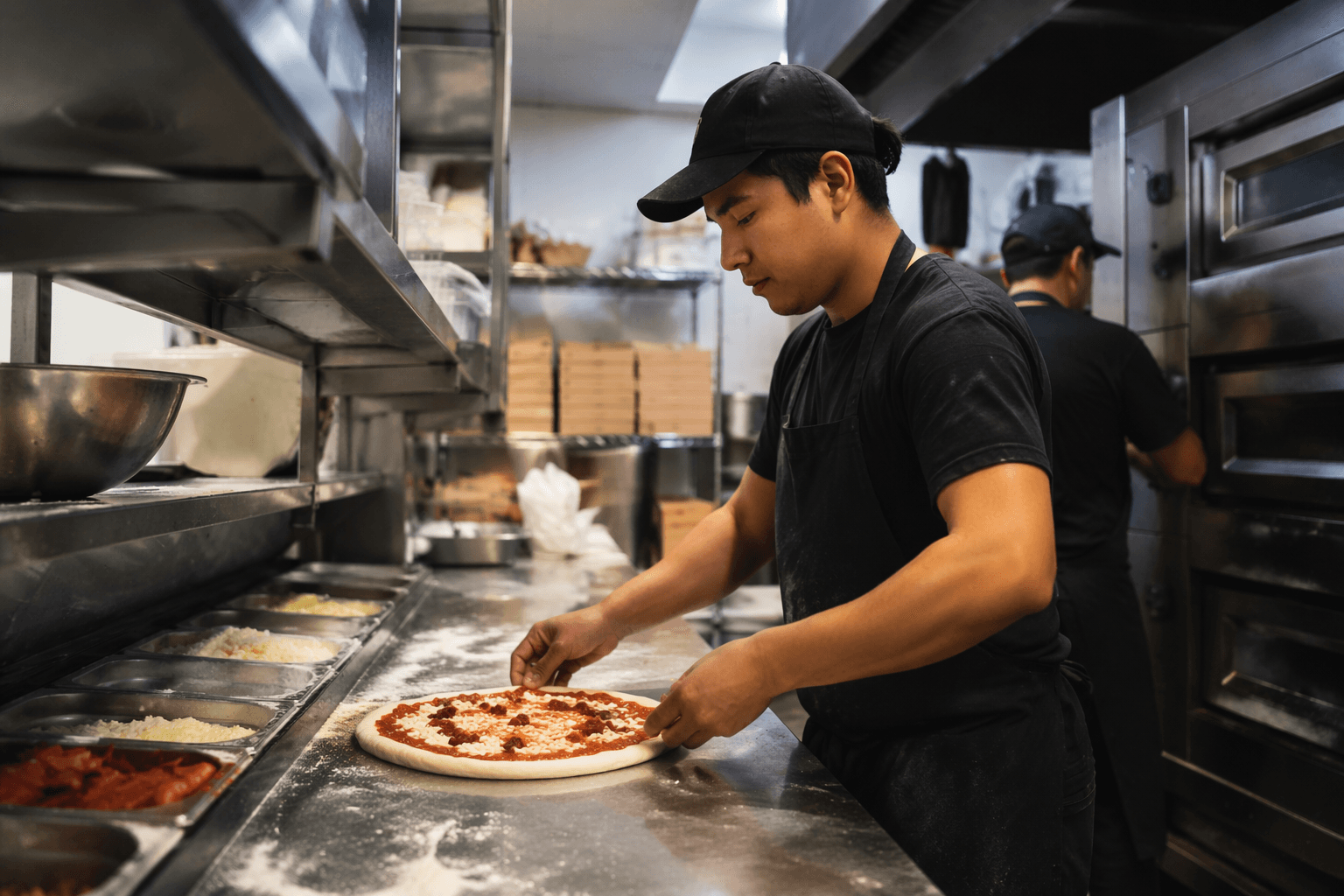
For Pizza Hut managers, the practical risk is not abstract. Staffing shortages usually hit the schedule first, then the line, then delivery coverage. If visa processing slows or local recruiting gets harder, stores can end up with fewer cooks to handle make-or-break dinner rushes, fewer drivers to keep delivery times down, and more pressure on shift leaders to cover gaps with overtime or last-minute reassignments. That is where labor policy becomes an operations problem.
The broader restaurant data explains why operators keep pressing the issue. Nation’s Restaurant News has reported that 22% of restaurant and foodservice employees were born outside the U.S., 51% of industry employees identify as minorities, and 40% of foodservice workers are under 25. That younger, more diverse workforce is also more mobile, which means a small disruption in hiring can quickly turn into churn.
The stakes are especially high for franchise systems like Pizza Hut’s, where local managers feel labor shocks before anyone else does. The Independent Restaurant Coalition said independent restaurants and bars contributed $1.37 trillion in direct output and $3.5 trillion to total GDP in 2024, a reminder that staffing policy now sits close to the center of restaurant economics. If immigration reform stalls and visa delays continue, the next high-demand period could expose the same pinch points operators have been warning about: thinner crews, harder schedules, and less room for error.
This article was produced by Prism’s automated news system from verified source data, official records, and press releases, then run through automated quality and moderation checks before publishing. The system is built and supervised by the people who set the standards it runs under. Read our full AI policy.
Did this article answer your question?