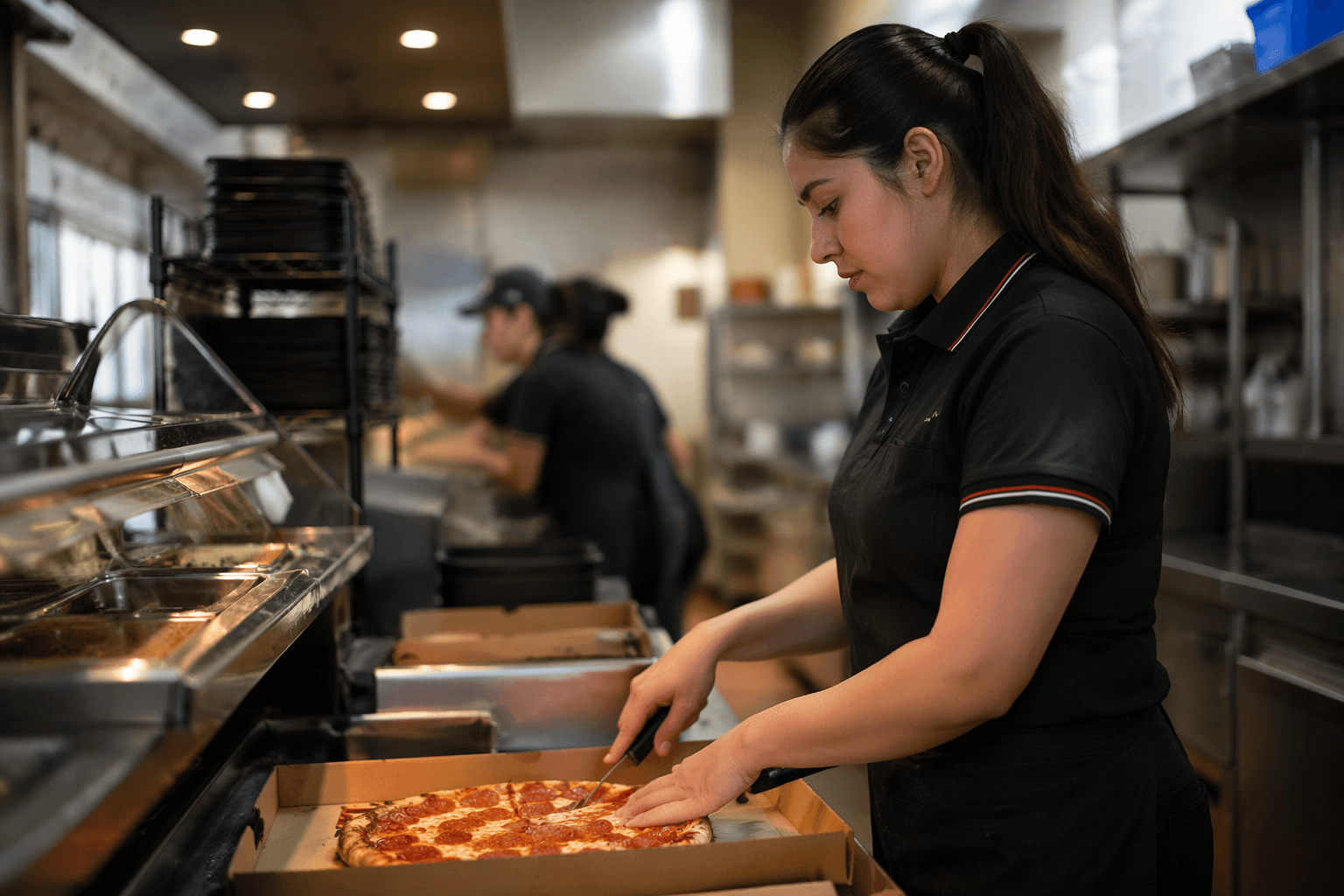
Restaurant show highlights practical innovation for Pizza Hut operators
Pizza Hut teams should steal show ideas that cut steps, sharpen value, and protect the rush. Flashy novelty only matters if it moves orders faster without adding drag.
What to steal from the show floor
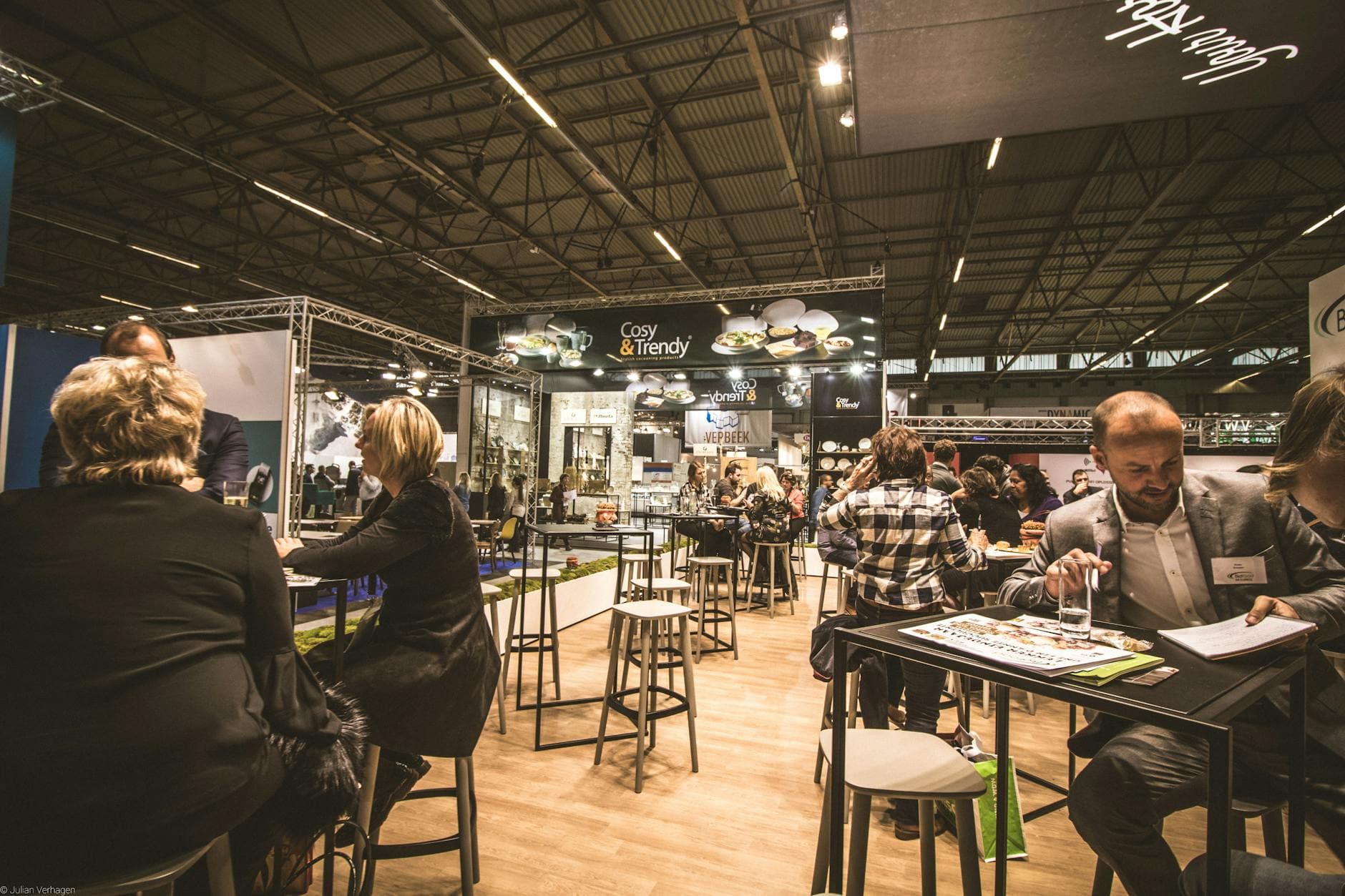
The best lesson from the National Restaurant Association Show was not the volume of new products, it was the filter operators used to sort them. The 2026 show ran May 16 to 19 at McCormick Place in Chicago, drew 50,000-plus attendees and 2,100-plus exhibitors, and came with a sharper focus on cost, labor, and day-to-day operations. In a room that large, the ideas worth keeping are the ones that make a restaurant easier to run, not just easier to market.
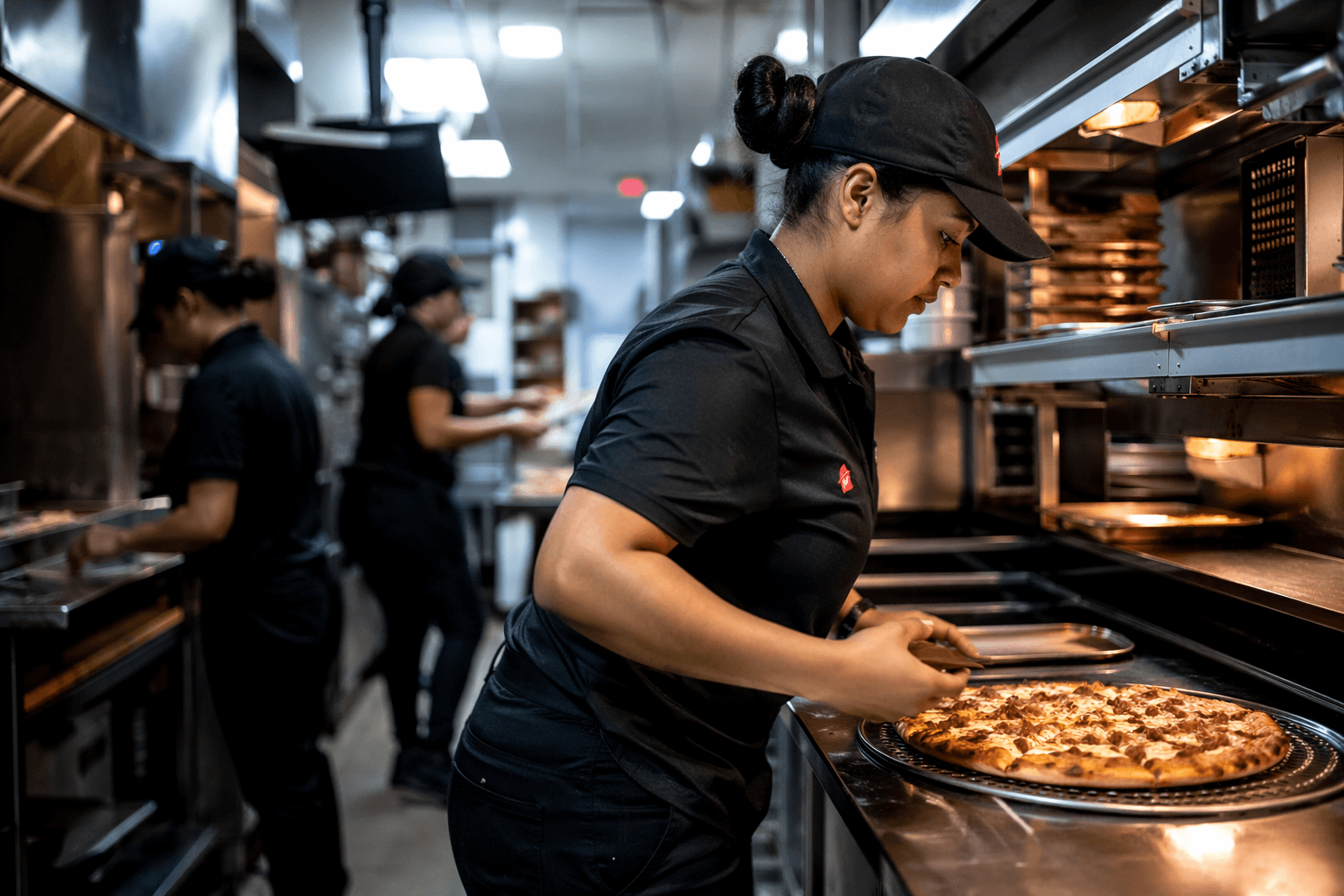
That mattered because the atmosphere on the floor felt more collaborative than combative. Restaurant Business and Nation’s Restaurant News came away seeing more operator-to-operator sharing and less of the usual trade-show noise. For Pizza Hut, that is the right kind of signal: a brand built on high-volume execution cannot afford ideas that look good under the lights but collapse when the dinner rush hits the cut table, the delivery bag, or the front counter.
The strongest ideas were the ones that solved real store problems. The show’s mix of new foods, cheese, ice cream, beverages, kitchen equipment, sustainable packaging, plant-based items, and cutting-edge technology was useful only when those products could make a shift smoother. A Pizza Hut operator should favor anything that improves throughput, protects order accuracy, or helps a team explain an item quickly enough to keep the line moving.
A practical test is simple. If the idea does one of these things, it deserves a closer look:
- Cuts prep or assembly steps without hurting quality.
- Travels cleanly on delivery runs and keeps the product intact.
- Makes it easier for counter staff to explain value in a few words.
- Helps managers handle labor pressure without adding another manual task.
That is where the show’s emphasis on packaging and operational tools becomes more than expo chatter. Pizza Hut lives and dies on consistency. A menu idea only works if the kitchen can produce it on repeat, the package holds up once it leaves the store, and the customer gets a clear promise that matches what arrives at the door.
What to ignore
The part of the show that deserved skepticism was the same part that usually draws headlines, the loud concepts that generate attention but not much operational payoff. There was plenty of hype, and the article’s plain warning was that noise and overkill can distract from the real job. If a new item makes the store messier, slows the line, or adds another explanation for the crew to memorize, it is probably a trade-show win, not a store win.
Plant-based novelty was less visible this year, and that tells operators something important about what customers are buying into. The attention seemed to shift toward protein-forward offerings, which suggests guests are still looking for familiar comfort, better value, and a reason to spend a little more when the upgrade feels worth it. For Pizza Hut, that means the winning idea is not necessarily the most futuristic one. It is the one that feels like a better deal and a cleaner execution.
That distinction matters for drivers and kitchen crews as much as it does for managers. A flashy menu item that looks great in a booth can become a service problem once it has to survive the handoff from make line to delivery bag to customer doorstep. If it takes extra time, extra explanation, or extra remakes, the store pays for the spectacle even if the trade show crowd loves it.
Why the stakes are higher for Pizza Hut
Pizza Hut is not weighing these ideas from a position of strength. Yum! Brands announced on October 21, 2025, that it was beginning a formal review of strategic options for the brand, and the numbers behind the decision are hard to ignore. Pizza Hut’s U.S. system sales fell 7% in 2025, full-year same-store sales fell 5%, system sales dropped to $3.47 billion from $3.61 billion at the end of 2024, and global unit count fell to 19,974 from 20,225.
The company has also said it plans to close 250 U.S. restaurants in the first half of 2026. At the same time, Yum! said its overall system topped 63,000 restaurants across 155 countries and territories, while Pizza Hut’s franchise site puts the broader network at more than 60,000 Yum! restaurants. That scale is a reminder that one bad operational choice can spread fast, but it also means the right idea can matter just as much if it is easy to roll out.
Franchise friction over technology makes the point even sharper. On May 12, 2026, Restaurant Business reported that Chaac Pizza Northeast, which operates 111 locations, sued Pizza Hut over mandated Dragontail AI-based kitchen software and alleged more than $100 million in operational losses. That is the line between useful automation and expensive drag. Technology that reduces friction can help. Technology that creates disruption becomes another cost center, another training burden, and another thing managers have to defend to the people trying to keep stores open and profitable.
The filter Pizza Hut teams should use
The National Restaurant Association Show was useful because it showed where suppliers are investing and what categories are getting shelf space. For Pizza Hut operators, though, the real job starts after the expo badge comes off. The right question is not whether an idea is trending. It is whether it makes the store faster, cleaner, and easier to explain.
Use that filter on every pitch:
- Does it improve labor efficiency, or does it consume labor that is already thin?
- Does it help the kitchen move orders with fewer errors?
- Does it strengthen the guest promise enough to justify the price?
- Can a manager defend it to franchisees, crew, and drivers without a long script?
With Domino’s now nearly twice the size of Pizza Hut, and with the wider pizza market still under pressure, there is little room left for innovations that only look good in a brochure. The operators who will get more out of the next wave of product and equipment ideas are the ones who treat the show floor as a stress test. In a Pizza Hut store, the best innovation is the kind that disappears into the workflow and leaves behind better speed, better accuracy, and a clearer value story.
This article was produced by Prism’s automated news system from verified source data, official records, and press releases, then run through automated quality and moderation checks before publishing. The system is built and supervised by the people who set the standards it runs under. Read our full AI policy.
Did this article answer your question?