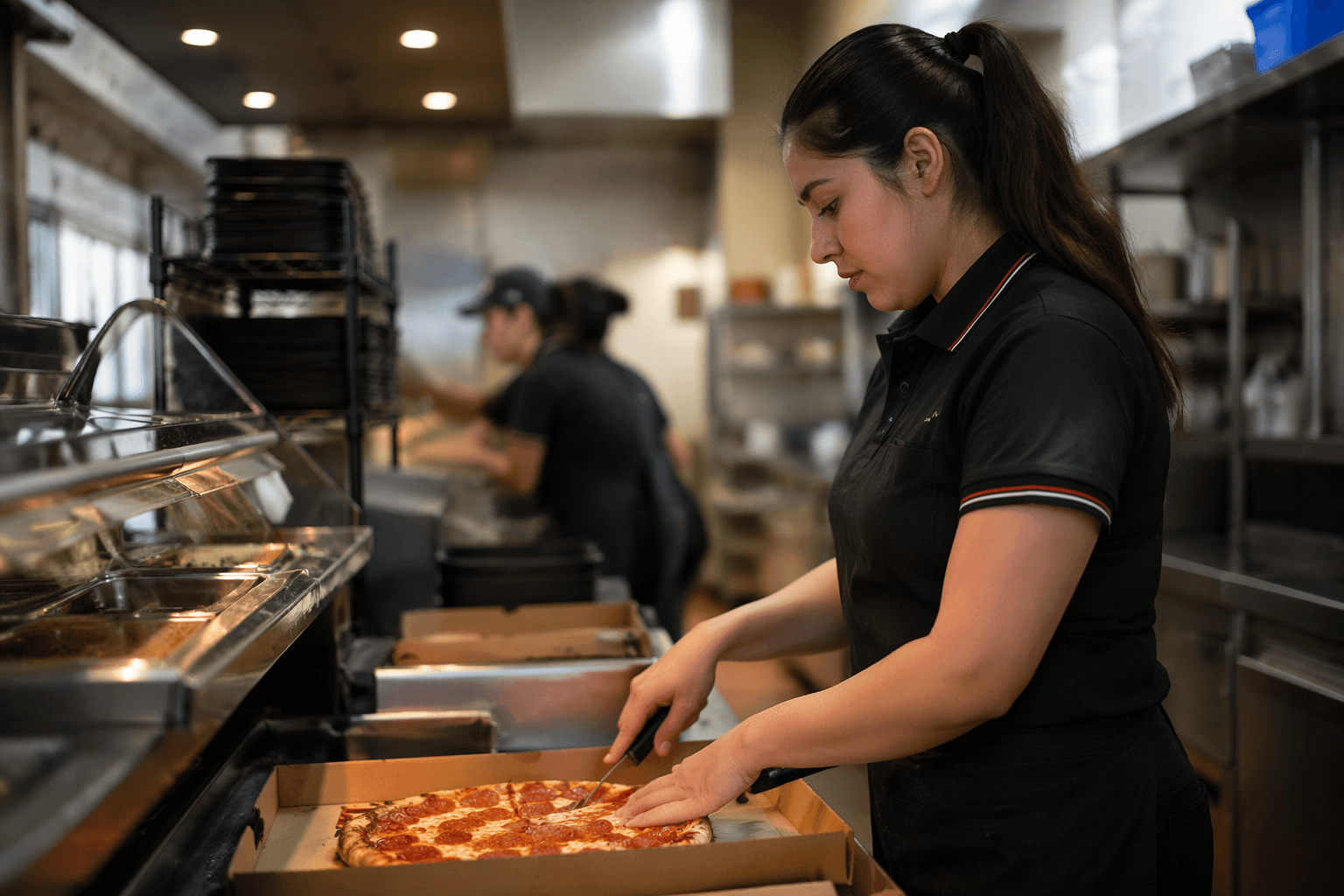
Rhode Island airport food workers strike over stalled pay talks
Seventy-three airport food workers walked out at 3 a.m. after pay talks stalled, with some servers making just $4.19 to $5.30 an hour plus tips.
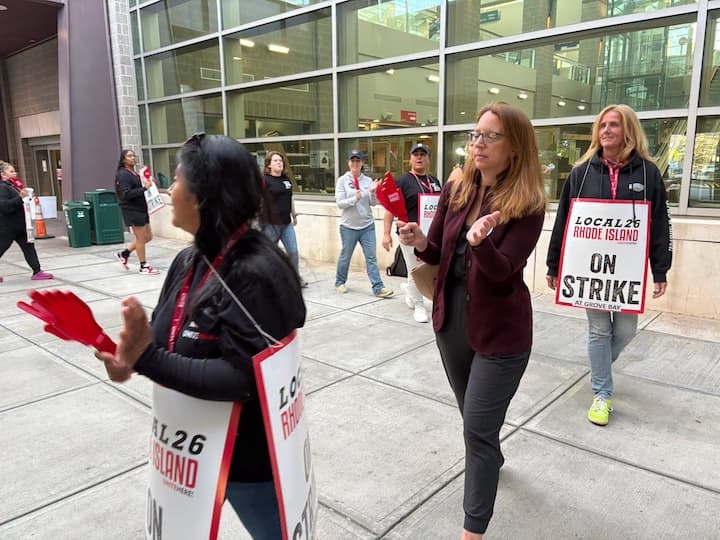
Seventy-three food and beverage workers at Rhode Island T.F. Green International Airport walked off the job at about 3 a.m. on June 25 after contract talks stalled with Grove Bay Hospitality Group, the Florida-based operator running the terminal’s restaurants and stands.
The workers, represented by Unite Here Local 26, had been working without a contract since Aug. 1, 2025. They had also gone nearly two years without a raise, and some airport servers were making about $4.19 to $5.30 an hour plus tips. Nancy Iadeluca, a union vice president, said no one at T.F. Green should be making minimum wage.
Rhode Island’s minimum wage is $16 an hour in 2026 and rises to $17 on Jan. 1, 2027, which sharpened the contrast between the legal floor and the wages workers said they were actually taking home. For employees in airport concessions, that gap matters immediately: tips can cushion a slow shift, but they do not fix a base rate that lags behind rent, gas and groceries.

The union said workers had voted overwhelmingly earlier in the month to authorize a strike. One report said the group planned to return to work on Friday if no progress was made, while keeping the option to picket again if negotiations stayed frozen. Grove Bay said it would keep restaurants open during the stoppage and brought in workers from Florida to help staff the airport, a familiar move in food service when operators try to blunt the effect of a walkout.
The dispute lands in a sector that has not lost its pressure points. UNITE HERE says it represents 50,000 airport concessions and airline-catering workers at more than 60 airports in the U.S. and Canada, and food-industry strikes have continued into 2026 after affecting 12,500 foodservice workers in 2025, according to Bureau of Labor Statistics-cited reporting. For Pizza Hut crews and delivery drivers, the lesson is close to home: when pay talks stall, workers start testing how much leverage a restaurant really has. In a market where DoorDash and Uber Eats keep pulling for labor, and local managers often answer to franchise owners rather than corporate headquarters, a slow contract or a missed raise can turn quickly into a staffing problem.
This article was produced by Prism’s automated news system from verified source data, official records, and press releases, then run through automated quality and moderation checks before publishing. The system is built and supervised by the people who set the standards it runs under. Read our full AI policy.
Did this article answer your question?