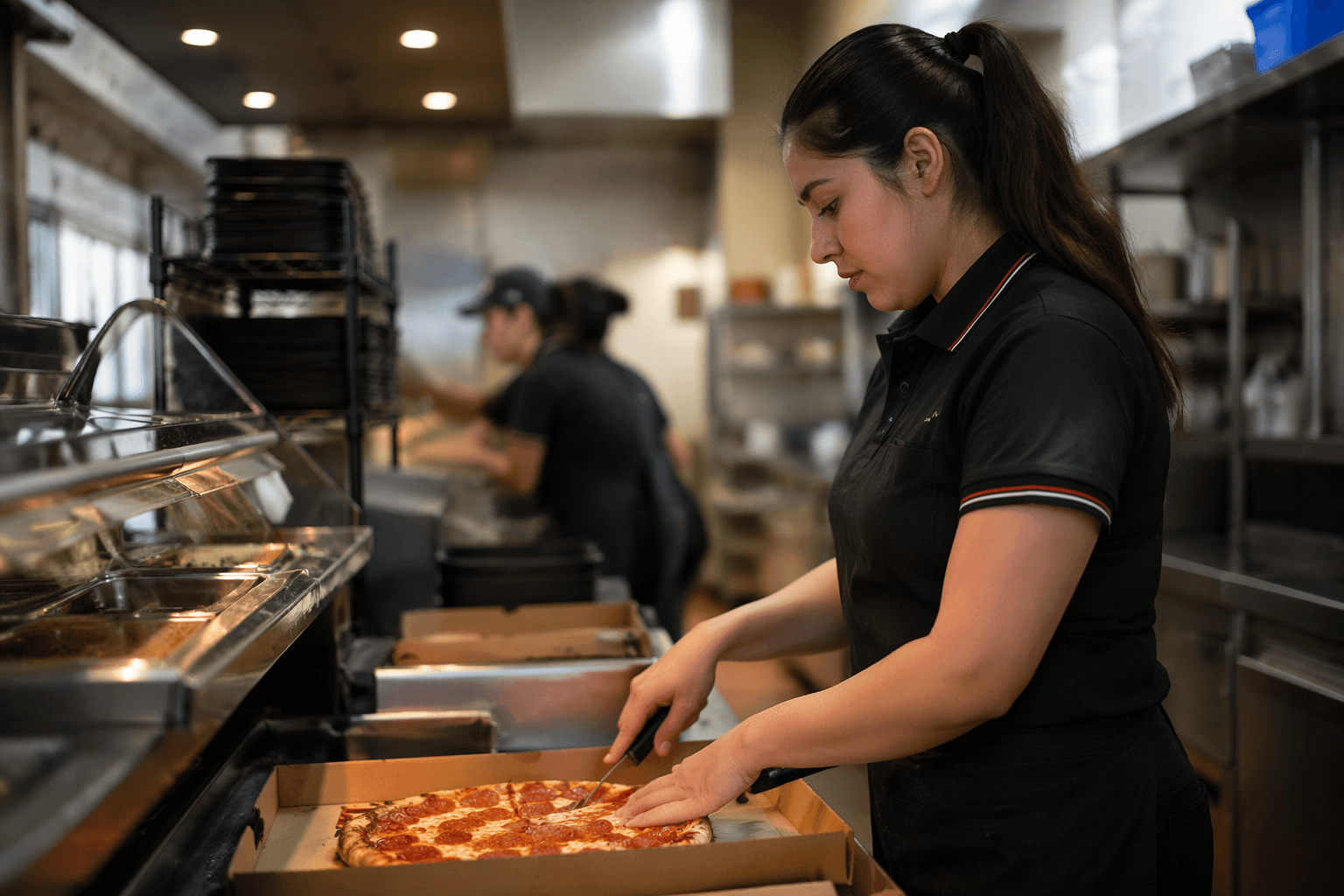
Rising costs close longtime pizza chain after 51 years
Armand’s last Rockville store closed June 20, ending a 51-year run as rising food and labor costs squeezed margins across pizza.

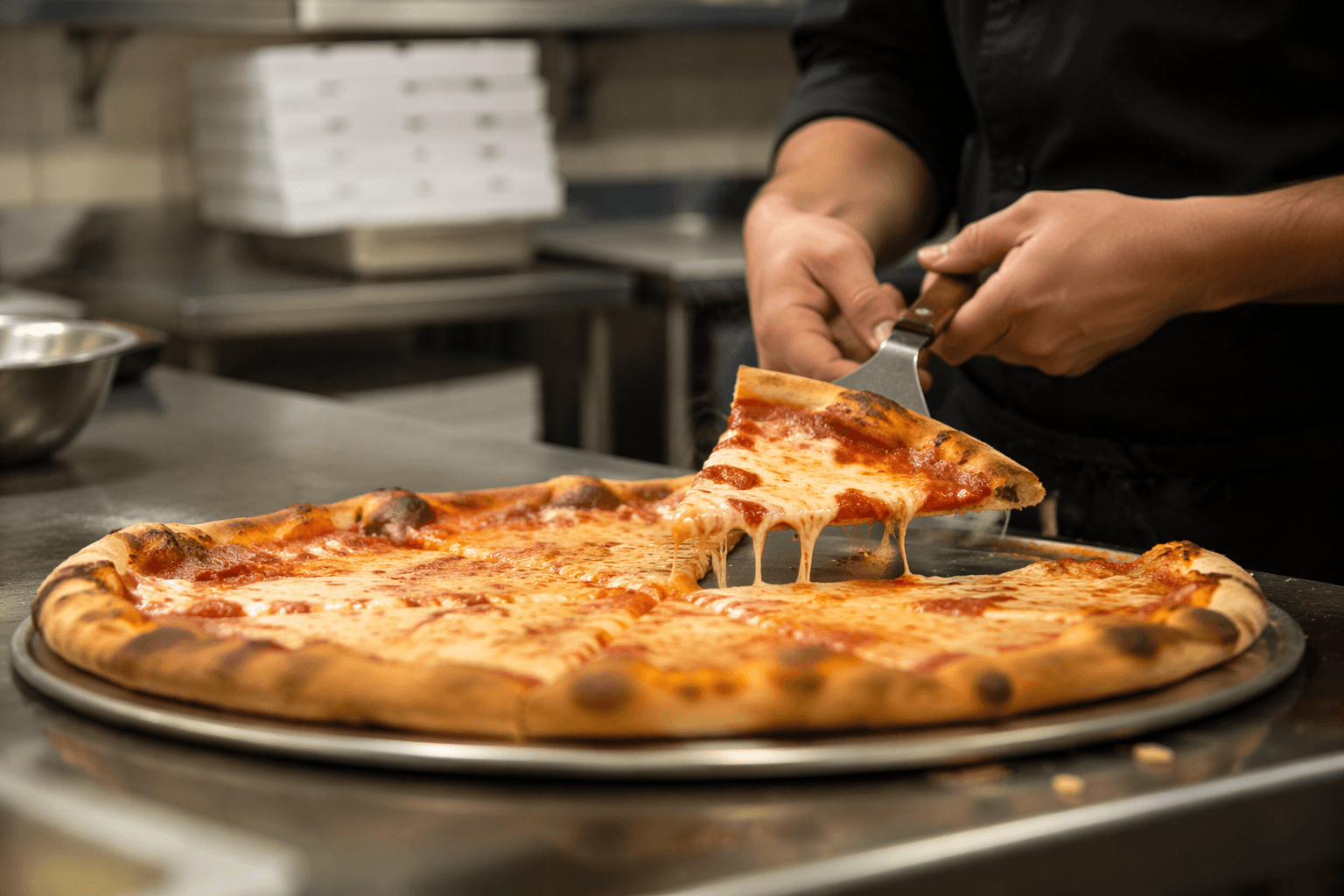
Armand’s Pizzeria & Grille shut its last location in Rockville, Maryland, on June 20, ending a 51-year run for the Chicago-style deep-dish chain. The restaurant at 190 Halpine Road drew a busy final-day crowd as customers came in for last pizzas before the doors closed for good.
The chain began in 1975 in Tenleytown in Washington, D.C., after founder Lew Newmyer was inspired by Chicago-style deep-dish pizza. Armand’s grew to more than 25 locations across the Washington area at its peak, but by the time the Rockville shop closed, the only remaining Armand’s was Armand’s Bistro & Pizza in Bethany Beach, Delaware. Co-owner Chris Sappe said, “We’re really upset that we have to close.”
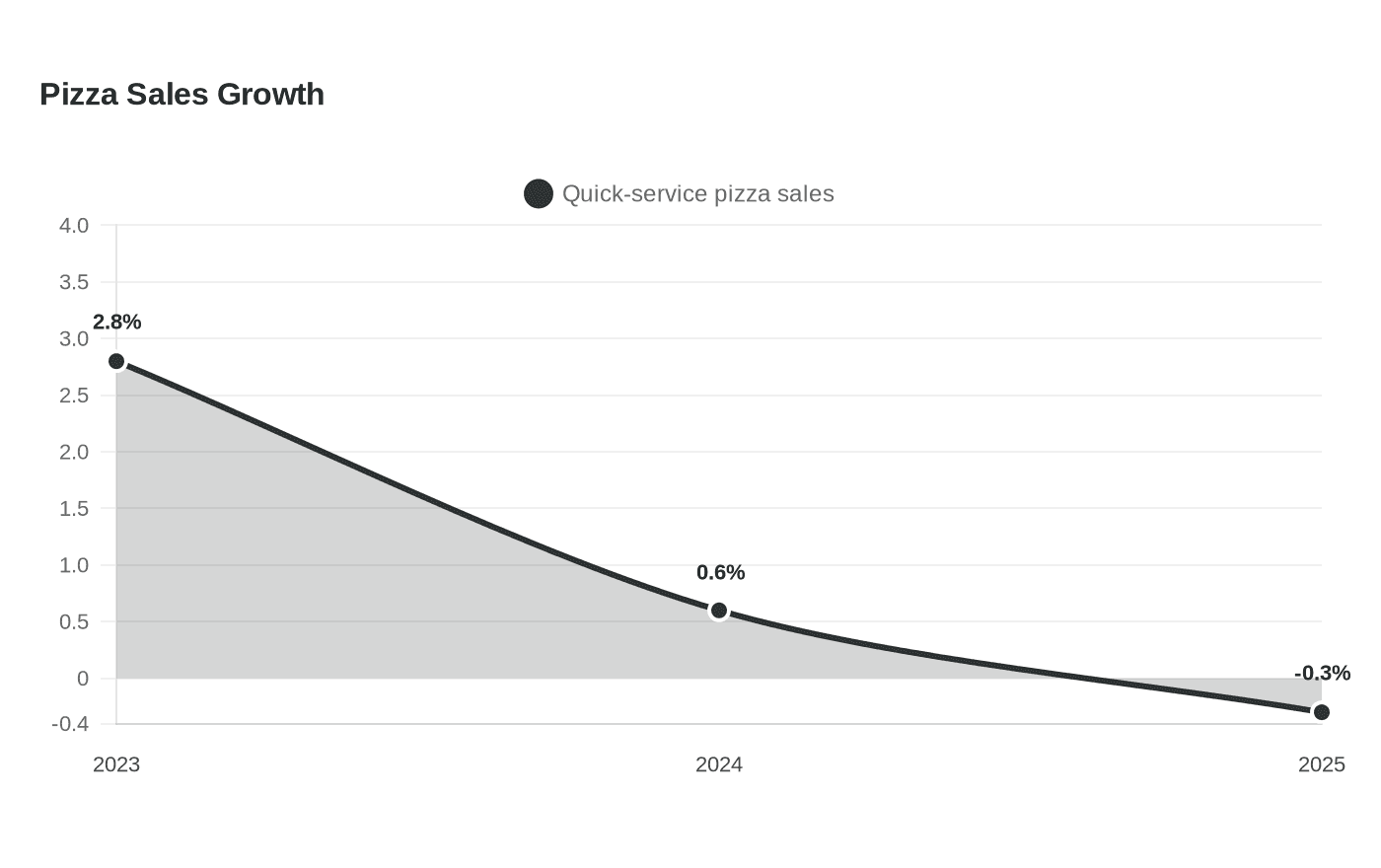
The closure lands in a pizza market that has been under strain even when dining rooms and carryout counters still look active. Technomic data cited by Nation’s Restaurant News showed quick-service pizza sales fell 0.3% in 2025, after gains of 0.6% in 2024 and 2.8% in 2023. The National Restaurant Association’s 2025 industry report and later coverage pointed to rising food, labor, insurance, energy and transaction costs as the pressure points, with operators cutting hours, tightening menus and rethinking staffing to protect cash flow.
That is the part Pizza Hut workers recognize quickly. A store can post steady traffic and still struggle if cheese, dough, wages, electricity and rent rise faster than menu prices. In a franchise system, those pressures land unevenly from market to market, which is why local labor decisions, delivery volume and carryout mix can matter as much as headline sales. For drivers, kitchen crews and managers, closures like Armand’s are a reminder that nostalgia does not cover thin margins.
Pizza Hut’s own franchise cost disclosures show how wide the economics can be. Some 2026 sources put the brand’s total initial investment at roughly $300,000 to $2.2 million depending on format, while other 2026 summaries list an initial investment range of about $55,800 to $304,000 and an ongoing royalty of 10% of gross sales. Those numbers help explain why even a familiar pizza name can become vulnerable when operating costs rise faster than a restaurant can absorb them.
This article was produced by Prism’s automated news system from verified source data, official records, and press releases, then run through automated quality and moderation checks before publishing. The system is built and supervised by the people who set the standards it runs under. Read our full AI policy.
Did this article answer your question?