Starbucks drops AI inventory counts, a cautionary lesson for Pizza Hut managers
Starbucks’ inventory AI fell short fast enough to get scrapped. Pizza Hut managers should read that as a warning: if the count cannot be trusted, the whole shift starts to wobble.

Starbucks’ pullback is a warning about trust, not just technology
Starbucks just walked back a worker-facing AI system that was supposed to make inventory counts easier. The company is ending the tool after about nine months because it wants a single, consistent process across all counts, and that matters far beyond coffee. In a Pizza Hut store, a bad count can ripple into the night rush, throw off ordering, and leave the crew arguing over which number to trust.
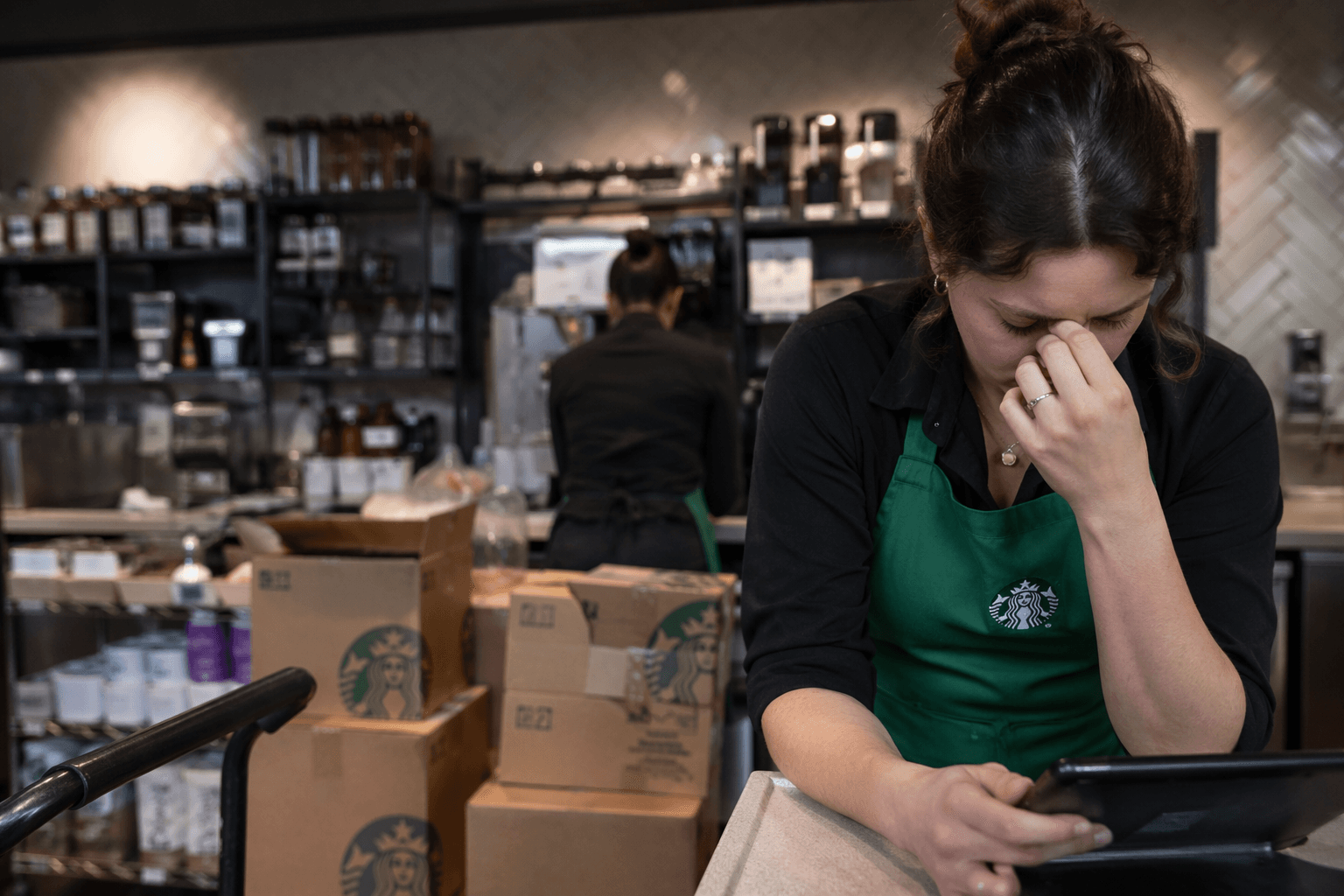
Reuters reported that the tool had been rolled out across Starbucks’ North American stores and that it was part of CEO Brian Niccol’s push to fix product shortages that were hurting sales. The technology, built with NomadGo, used mobile devices with cameras and LIDAR-style scanning to identify stock, but workers said it sometimes confused milk types, including oat milk and dairy. That kind of mistake is not a small glitch in a restaurant. It is the sort of error that can force extra checks, duplicate work, and a shift spent chasing the system instead of running the floor.
Why the Starbucks reversal lands hard in a Pizza Hut kitchen
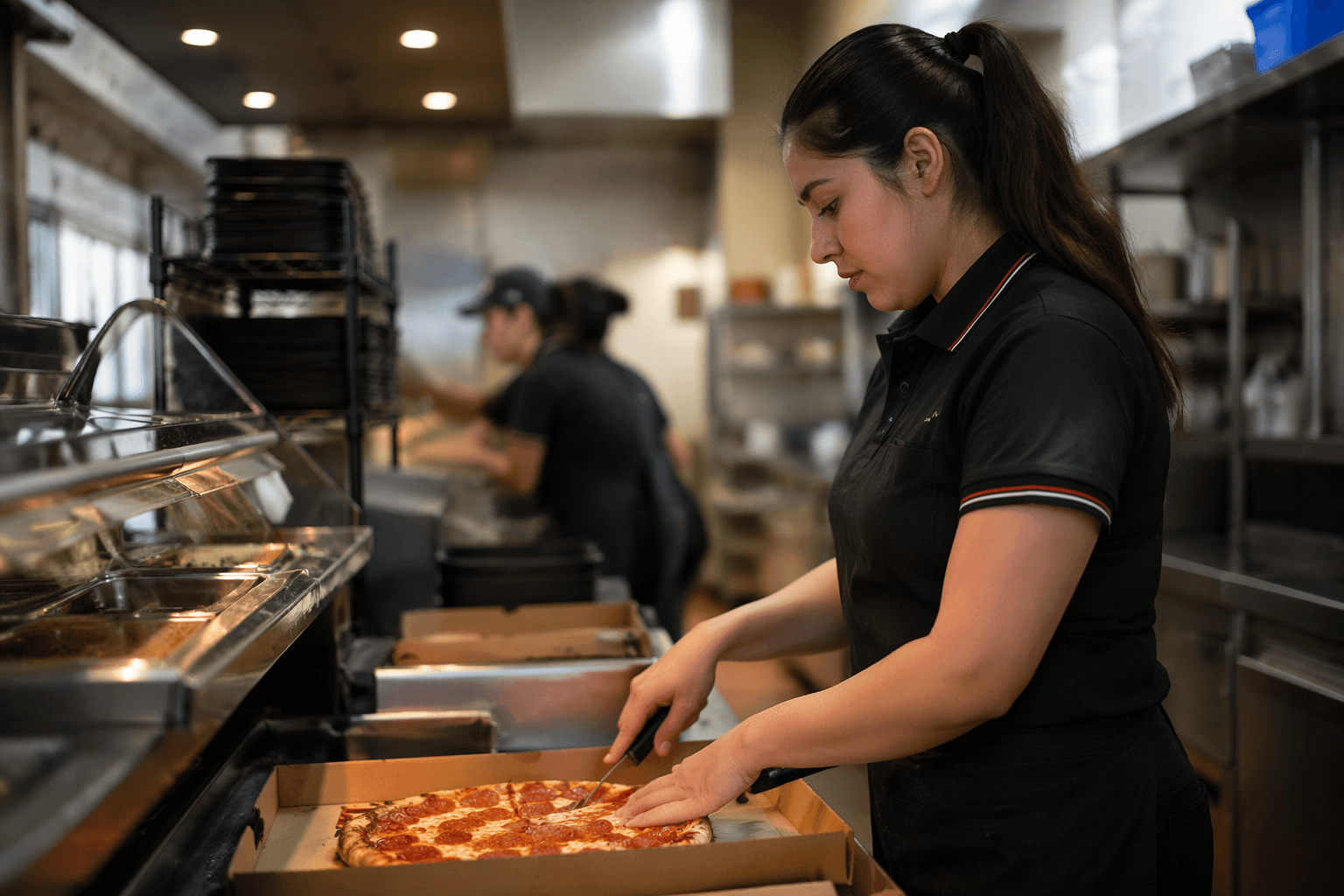
Pizza Hut lives on ingredient accuracy. The brand’s menu depends on high-velocity items like pepperoni, multiple cheeses, sausage, ham, bacon, wings, sauces, sides, and dips, which means a count error does not stay abstract for long. If the store thinks it has enough cheese or sauce and it does not, the crew pays for it in rushed substitutions, delayed orders, and frustrated guests.
That is why the Starbucks retreat should matter to Pizza Hut managers even if they never plan to use the same software. The lesson is simple: automation is only useful when the store trusts the output enough to build a shift around it. If the count is wrong, then ordering, prep planning, food-cost control, and even manager confidence all start to wobble at once.
What Starbucks actually changed
Starbucks said it is stopping the inventory-counting program so it can standardize how inventory is counted across coffeehouses. The company also said it is focusing on consistency, execution at scale, and more frequent replenishment. That is a telling choice of language: the issue was not just whether the tool looked modern, but whether it could deliver the same result store after store.
The rollout itself moved fast. Starbucks introduced the program in September 2025 and said it would be live in all company-operated North American coffeehouses by the end of that month. CNBC and Reuters later reported that Starbucks terminated the worker-facing system this week, roughly nine months after deployment. For operators, that timeline is the point. A tool can be ambitious, widely deployed, and still not be ready for the messy reality of a restaurant floor.
Where inventory tech fails in real life
The Starbucks case shows a familiar failure pattern for frontline operations: the system works in a demo, then gets messy when staff and product conditions vary from store to store. A camera-based count might be fine when the shelf is neat and the labels are clear. It becomes less reliable when boxes are shifted, labels face the wrong way, product types are similar, or the crew is trying to move fast while keeping service going.
In a Pizza Hut store, that problem becomes even more expensive because the kitchen does not have much room for ambiguity. A manager who trusts a questionable count may under-order for the next day or overcompensate and tie up cash in product that will not move quickly enough. Either way, the people closest to the mistake are usually the ones forced to clean it up, often by doing a second manual count after the software has already claimed the answer.
The scale of the Pizza Hut challenge
Pizza Hut is not a small test case. Its U.S. store locator says the brand has more than 6,000 locations, and Yum! Brands says the Pizza Hut restaurant family spans more than 60,000 locations worldwide. That scale makes inventory discipline more, not less, important. A software rollout that is a nuisance in one store becomes a chainwide headache when thousands of locations are expected to follow the same process.
The business model also adds complexity. Pizza Hut operates across delivery, carryout, dine-in, and Hut Lane formats, which means inventory has to support different service patterns and different rushes. A store that is heavy on delivery may burn through certain toppings differently from a dine-in location. A tool that cannot reflect those realities accurately will not save labor. It will shift labor into reconciliation work.
How Pizza Hut managers should test any “AI” promise
The right question is not whether a new system is AI-enabled. It is whether it actually reduces labor pain in the store, or whether it creates another process employees have to work around. Before any manager trusts a new inventory tool, the store should pressure-test it against the work crew already does every day.
- Pilot it first, instead of assuming a rollout will behave the same in every store.
- Compare the automated count against manual checks over multiple shifts, not just once.
- Train managers and crew on what to do when the system is wrong, because it will be wrong at some point.
- Make sure replenishment and ordering rules are tied to verified counts, not just software output.
- Watch for hidden labor, like duplicate counts, extra correction work, or managers spending time explaining bad numbers.
That is where the Starbucks example should sting. The company did not just decide it disliked automation. It decided the cost of inconsistency outweighed the value of the tool. Pizza Hut managers should hear that as a practical warning: a system that cannot be trusted does not eliminate labor pain, it moves it somewhere else.
What this means for the people on the floor
For kitchen crew, delivery drivers, and shift leaders, inventory problems show up as service problems first. Missing product slows the make line, burns driver time, and creates awkward calls to guests who expected their order to be complete. In a delivery business where DoorDash and Uber Eats keep ratcheting up pressure on speed and reliability, a weak count can quickly turn into a lost order or a bad review.
For managers, the bigger lesson is control. Good operations are built on numbers the team can believe, not numbers that look advanced on a screen. Starbucks’ retreat shows how quickly a flashy system can become a liability when it cannot keep up with the realities of a high-volume store. At Pizza Hut, the best technology will still be the kind that leaves the crew with less guesswork, fewer corrections, and a cleaner path through the rush.
This article was produced by Prism’s automated news system from verified source data, official records, and press releases, then run through automated quality and moderation checks before publishing. The system is built and supervised by the people who set the standards it runs under. Read our full AI policy.
Did this article answer your question?