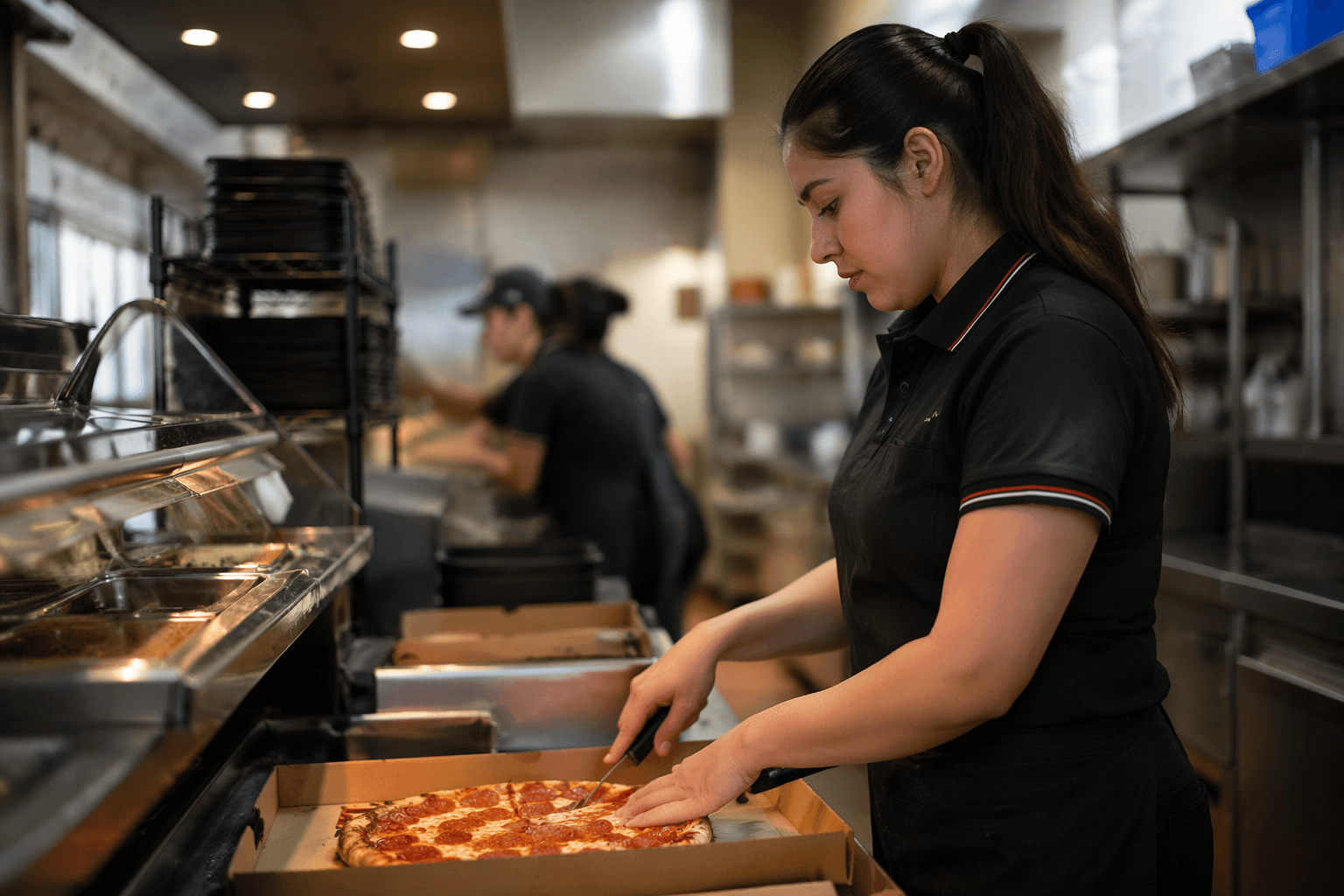
Taco Bell tests $3 menu, signaling pressure on Pizza Hut value
Taco Bell’s $3 test in Louisville shows how aggressively Yum is pushing value, while Pizza Hut leans on bigger bundles to protect check size.

Taco Bell’s latest $3 test in Louisville, Kentucky, is more than a side note for the sister brand. It is another sign that Yum! Brands is pressing hard on value, and that pressure lands directly on Pizza Hut, where managers have to keep traffic coming without letting the check average collapse.
The test centers on a Chili Cheese Menu with three items at the $3 price point. It builds on the Taco Bell Luxe Value Menu, which launched nationwide on January 22, 2026, with 10 items, including five new creations and five fan favorites, all priced at $3 or less. Taylor Montgomery, Taco Bell’s global chief brand officer, said value should be “a luxury every consumer should be able to afford every single day,” a line that captures how aggressively the brand is trying to normalize low entry prices while still selling the idea of indulgence.
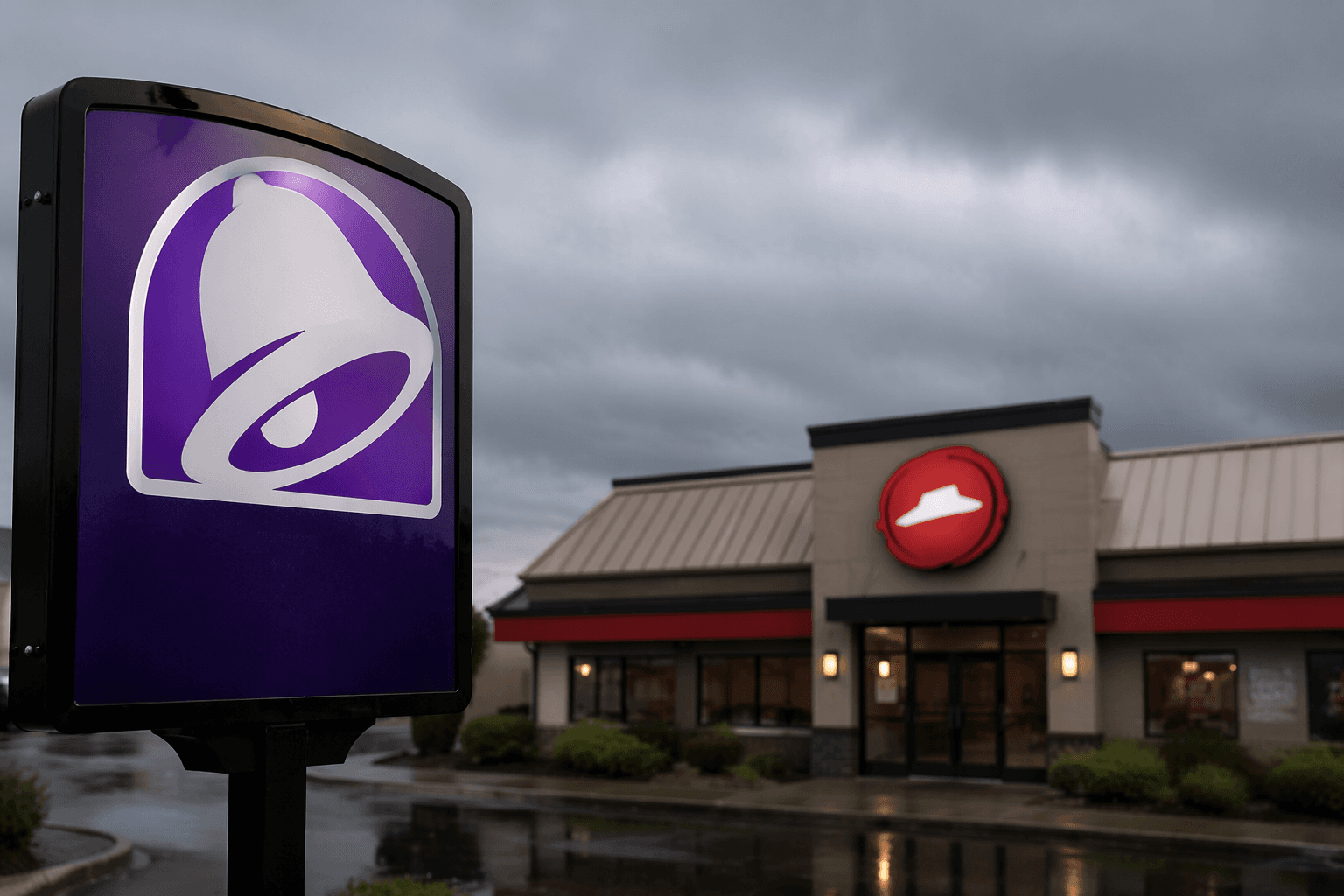
For Pizza Hut crews, the lesson is not that the chain needs to mirror Taco Bell item for item. It is that value has become a traffic engine across Yum’s portfolio, and that changes what customers expect when they open the app or walk into a store. Pizza Hut is already taking a different approach, leaning on larger-format deals such as the Ultimate Hut Bundle, which starts at $24.99 for any 2 medium pizzas, any 8 boneless wings, sticks and any 2 dips. That kind of bundle is designed to protect ticket size even while advertising value, which matters to franchisees trying to cover labor, packaging and delivery costs.
The operational squeeze shows up on the floor. A sharp value offer can bring in bursts of orders, especially when paired with app promotions, sports moments or rewards pushes, and that can hit kitchen crews and drivers at the same time. For Pizza Hut managers, the challenge is keeping the deal simple enough to execute fast while still preserving enough margin to make the shift workable. In a delivery business already shaped by competition from DoorDash and Uber Eats, a weakly structured promotion can add volume without adding much profit.
Yum’s own structure explains why the ripple matters. The company is based in Louisville and says it operates more than 63,000 restaurants in 155 countries and territories through concepts including KFC, Taco Bell, Pizza Hut and Habit Burger & Grill. It began a formal strategic review of Pizza Hut in 2025, and on June 11, 2026, Yum announced definitive agreements to sell Pizza Hut for $2.7 billion in aggregate. That puts every pricing move inside the same corporate scrutiny: value still drives traffic, but for Pizza Hut, the wrong kind of value can also drain the business it is supposed to build.
This article was produced by Prism’s automated news system from verified source data, official records, and press releases, then run through automated quality and moderation checks before publishing. The system is built and supervised by the people who set the standards it runs under. Read our full AI policy.
Did this article answer your question?