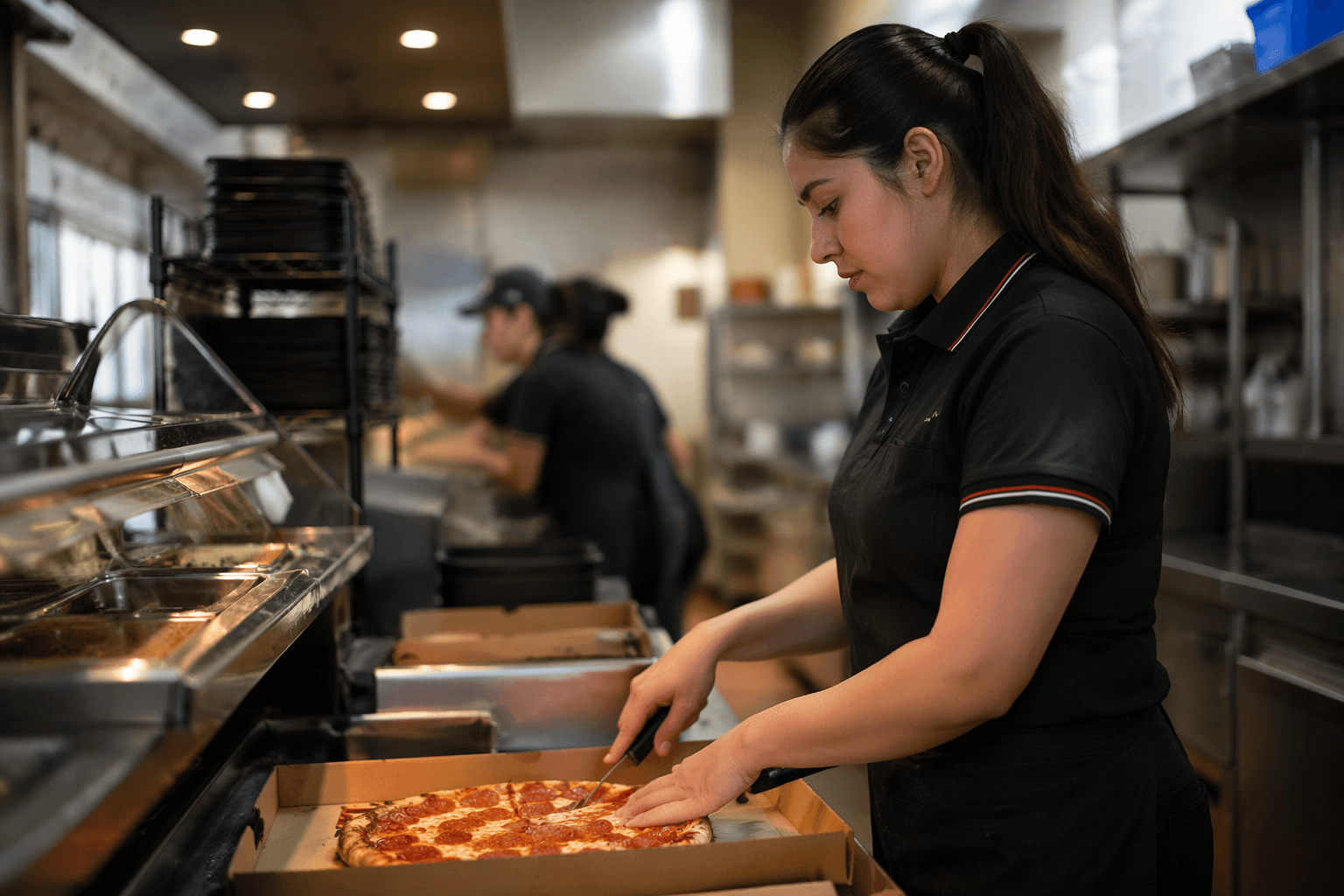
Yum! Brands sells Pizza Hut for $2.7 billion in strategic review deal
Pizza Hut’s $2.7 billion sale puts store economics, staffing and delivery execution under new ownership, after U.S. sales fell and closures continued.

Yum! Brands is handing Pizza Hut to new owners in a deal that makes the chain’s day-to-day operating problems impossible to ignore. LongRange Capital will take Pizza Hut outside Mainland China, Yum China Holdings will take Pizza Hut China, and the transaction, valued at $2.7 billion in the aggregate, is meant to close in the third quarter of 2026 if regulators approve it.
For people inside the system, the real question is not who owns the brand, but what changes once the logo moves off Yum’s balance sheet. Pizza Hut still has more than 19,000 restaurants in 108 countries, but its U.S. base has been shrinking, with 6,121 units at the end of the first quarter of 2026, down from 6,551 five years earlier. Yum had already planned to close about 250 U.S. Pizza Hut locations in the first half of 2026.
The sales trend explains why this looks like a workplace test, not a paper transaction. Pizza Hut’s U.S. same-store sales fell 4% in the first quarter of 2026, while systemwide sales dropped 6%. In fiscal 2025, comps fell 5% and systemwide sales declined 8%. That kind of slide usually shows up first in labor schedules, store-level pressure and franchisee caution around hiring, hours and maintenance.

LongRange says it was formed to take a longer-term view and to build stronger middle-market businesses through a customer-first approach. That sounds like private equity language, but Pizza Hut’s turnaround challenge is concrete: franchise economics, off-premise execution, tech investment and brand relevance all need attention at the same time. If new ownership wants a different result, it will have to make stores easier to run, not just cheaper to own.
Pizza Hut’s history makes the stakes more striking. Dan Carney and Frank Carney founded the chain in Wichita, Kansas, in 1958. The brand says it became the top pizza chain in 1971, and its red roof became part of the logo and identity that made it recognizable far beyond its Midwest roots. That scale still matters, but nostalgia will not fix a business that has to compete on speed, value and reliability every day.
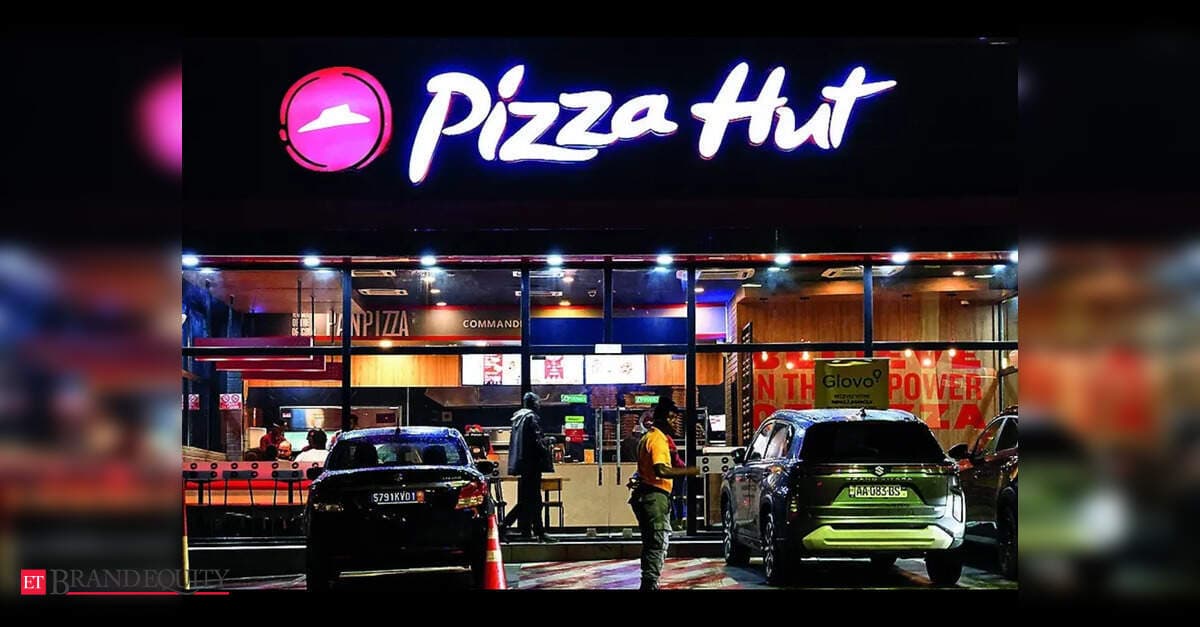
The chain has already tried several fixes. One-fifth of its U.S. restaurants were sold to Flynn Restaurant Group in 2021, and the brand leaned on menu resets such as the Melt sandwiches and the Big New Yorker pizza, along with greater use of third-party delivery aggregators. Domino’s has also said it outspends Pizza Hut and Papa Johns on advertising, while keeping value offers tied to profitability. That is the market LongRange is buying into.
Yum said the sale completes its strategic review of Pizza Hut and comes with an incremental $4 billion share-repurchase authorization. For Pizza Hut crews, drivers and managers, the next chapter will be measured less by ownership headlines than by whether stores get steadier staffing, better systems and enough volume to make the work sustainable.
This article was produced by Prism’s automated news system from verified source data, official records, and press releases, then run through automated quality and moderation checks before publishing. The system is built and supervised by the people who set the standards it runs under. Read our full AI policy.
Did this article answer your question?