Yum Brands ties sustainability to Pizza Hut operations and franchise growth
Yum! Brands is tying sustainability to Pizza Hut’s day-to-day operations, from packaging redesigns to franchisee resilience, as it weighs a $2.7 billion sale of the chain.
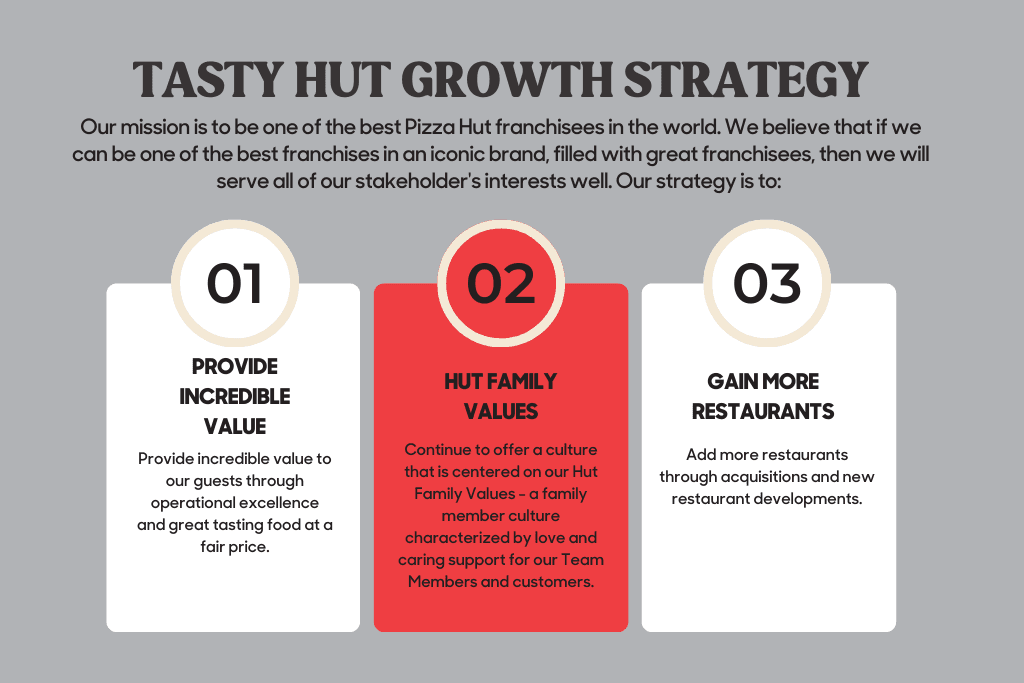
Yum! Brands said its June 22 Global Citizenship & Sustainability Report is meant to do more than polish the company’s image. The report casts sustainability as part of Yum’s growth strategy, tied to long-term risk management, operational resilience and franchisee success across the Pizza Hut system and the rest of its portfolio. It also organizes that work around three priorities, People, Food and Planet, making the point that environmental policy is now being treated as an operating discipline, not a side project.
That matters inside Pizza Hut because Yum is not talking about a small test market or a single corporate office. The company says it runs about 63,000 restaurants in 155-plus countries and territories through roughly 1,500 franchisees, and the report says the priorities were advanced together with franchisees, suppliers and partners. For restaurant managers, that points to more standardized expectations around sourcing, waste handling and packaging. For kitchen crews and drivers, it can shape what gets stocked, how closing shifts are handled, and how reliably food moves through the line and out the door.
Pizza Hut’s packaging work shows how that plays out on the ground. In the United States, the chain’s redesigned recyclable wing bowl won the 2026 Association of Plastic Recyclers Recycling Leadership Award. The bowl uses post-consumer recycled polypropylene, removes carbon black and excess fillers, and is designed to improve recyclability. Industry reporting on the package said the redesign can also improve operational efficiency because wings are sauced directly in the container, a small change that can affect prep time, spill risk and how well food holds up in delivery.
The report fits a longer pattern. Yum’s 2024 sustainability report highlighted carbon reduction, packaging and equality, and the 2023 version used the same broad framing, saying the company was pushing for less carbon, better packaging and more equality. This year’s language goes further by linking those goals to business durability, not just environmental targets.
That shift lands at a tense moment for Pizza Hut. Reuters reported on June 17 that Yum agreed to sell Pizza Hut for a combined $2.7 billion in two deals after a strategic review that began in November 2025. Pizza Hut ended 2025 with 19,974 global units, down from 20,225 a year earlier, and system sales fell to $3.47 billion from $3.61 billion. Restaurant-industry reporting said the closures were driven by specific franchise situations and elevated fourth-quarter shutdowns, which makes Yum’s emphasis on resilience, packaging and franchisee health more than a branding exercise.
This article was produced by Prism’s automated news system from verified source data, official records, and press releases, then run through automated quality and moderation checks before publishing. The system is built and supervised by the people who set the standards it runs under. Read our full AI policy.
Did this article answer your question?