ZipRecruiter: Pizza Hut team member average pay $26,158 with wide geographic variation
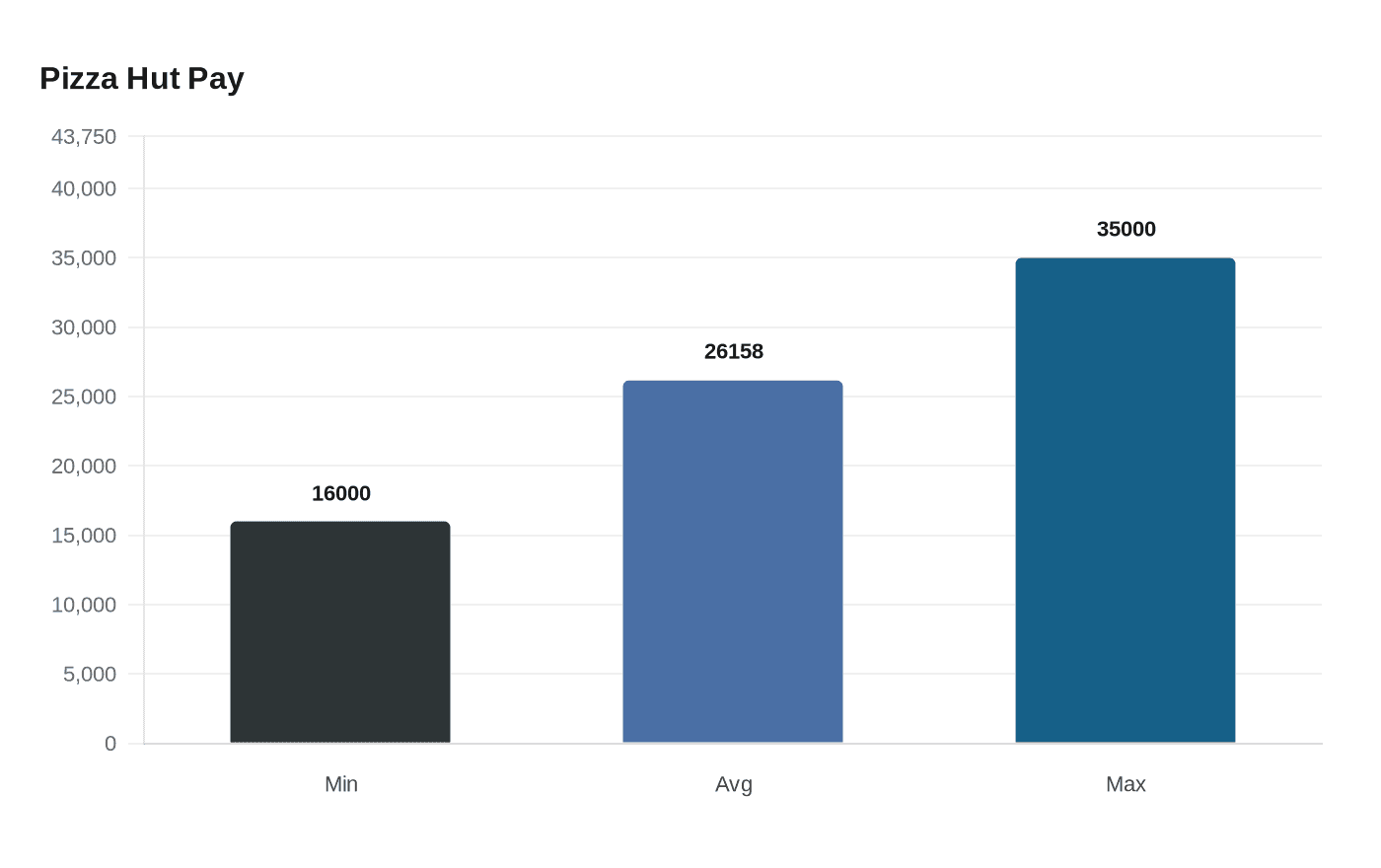
ZipRecruiter reports the average Pizza Hut team member makes $26,158 a year (about $12.58/hour), with wide pay differences by location, experience and role.

ZipRecruiter's salary data page, updated Feb. 1, 2026, puts the U.S. average annual pay for a Pizza Hut team member at about $26,158, roughly $12.58 per hour. Reported values span roughly $16,000 to $35,000 annually, a spread that reflects geographic variation, differing experience levels and the mix of front-line and supervisory roles.
That spread matters for workers and managers because it changes the economics of staffing, retention and scheduling. At the reported average, a full-time team member working 40 hours a week would bring home about $503 a week before taxes, a sum that can be swallowed quickly by housing, transportation and other basic costs in higher-priced metro areas. Conversely, the higher end of the range can edge closer to a livable wage in lower-cost markets or for employees with extra responsibilities.
The geographic differences shown in the data are significant for hiring strategy. Regions with reported pay near the $35,000 level will tend to face less turnover pressure than locations clustered near $16,000, all else equal. For store managers, that can mean changing shift offers, bumping hours to retain experienced workers, or leaning harder on part-time hires. For employees, the figures offer a benchmark when negotiating starting pay or considering transfers to other markets.

The numbers also have implications for broader workplace dynamics. Wage compression between new hires and longer-tenured team members can erode morale if pay bands are narrow. Conversely, documented pay variation can prompt workers to seek more predictable income through cross-training into higher-paying roles, taking on manager-in-training responsibilities, or supplementing hours at other employers.
Labor market context will shape whether the averages move. Local minimum wage changes, competitive pay at rival pizza and fast-food chains, and corporate-level compensation decisions will all affect future listings. For workers tracking their own earnings, the data provide a concrete comparison point for deciding whether to pursue additional shifts, training or a transfer.
For Pizza Hut team members and managers, these figures are a practical yardstick. They help explain why recruiting looks different from city to city and why some locations feel chronically short-staffed. Expect pay dispersion to remain a key factor in store-level staffing and in conversations about scheduling, benefits and career-path incentives going forward.
This article was produced by Prism’s automated news system from verified source data, official records, and press releases, then run through automated quality and moderation checks before publishing. The system is built and supervised by the people who set the standards it runs under. Read our full AI policy.
Did this article answer your question?