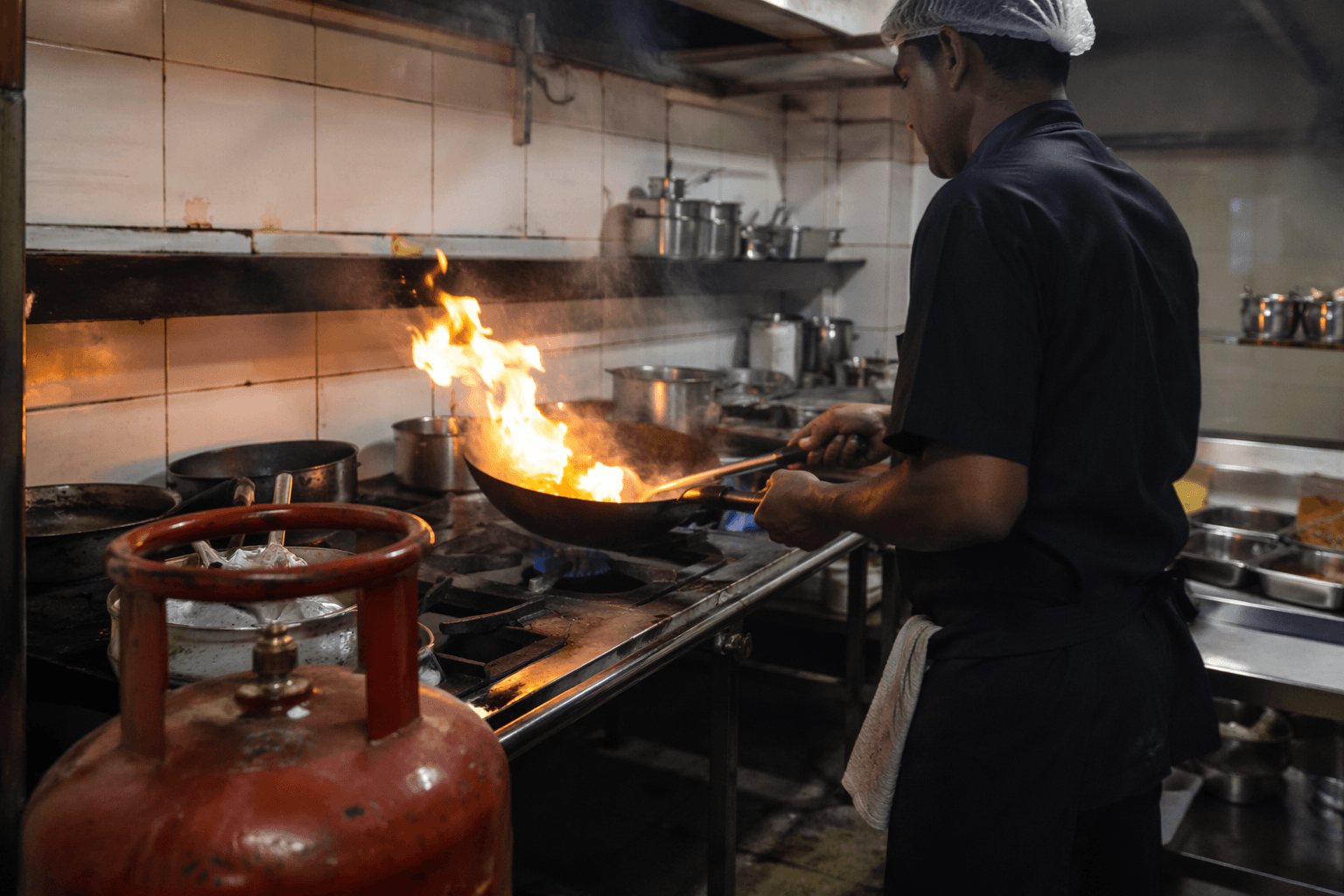
19 states raise minimum wages, pushing restaurant labor costs higher
Nineteen states raised minimum wages effective Jan 1, 2026, with rates up to $17.13. The increases will squeeze restaurant payrolls and reshape staffing and pricing decisions.
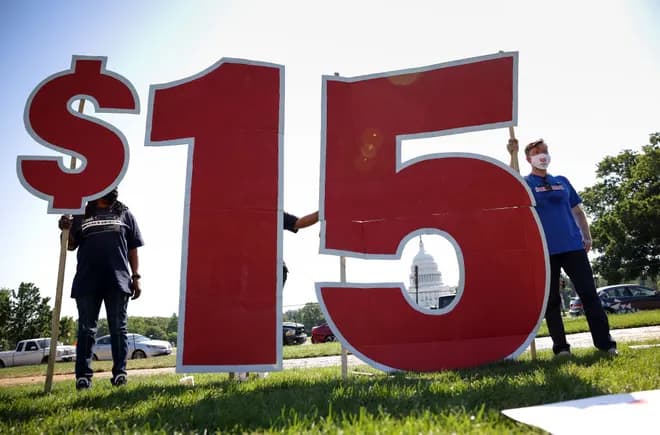
Nineteen states implemented higher minimum wages on Jan. 1, 2026, pushing statewide floors to levels that will materially affect restaurants' labor bills. New rates across the country now range from roughly $10.85 to $17.13, creating a wider gap between state floors and the unchanged federal minimum of $7.25.
Several large markets posted notable increases. California moved to $16.90 per hour, Washington state reached $17.13, and New York set a statewide rate of $16.00, with New York City and nearby counties at $17. Other states including Arizona, Colorado, New Jersey and Michigan also adopted increases that cross or approach the $15 mark, signaling continued momentum among states and cities to lift pay on their own schedules.
For restaurant operators, the immediate effect is higher payroll costs for both front-of-house and back-of-house staff who were earning at or near previous state minimums. Independent restaurants and small chains that run thin margins may feel the impact most acutely. Many operators will revisit menu pricing, staffing models and hours of operation as they absorb higher base wages. Managers are likely to reexamine scheduling practices, tip-pool arrangements and overtime exposure as part of short-term cost control.
Workers stand to gain higher guaranteed pay, which can reduce turnover and help recruit in tight labor markets. Higher base wages also change the economics of tipped work in some states and could prompt shifts in how restaurants present service charges, tip structures and compensation for managers. Where local minimums exceed statewide floors, employers must track both state and municipal ordinances to remain compliant.

The changes reflect a broader state and local push to raise wage floors while federal policy remains static. That patchwork of rates means multi-state operators must manage differing payroll standards across markets, affecting pricing consistency, hiring strategies and labor forecasting. Operators may accelerate investments in labor-saving technology, cross-training, or revisions to back-of-house staffing to protect margins.
Looking ahead, restaurant employers should update payroll models and budgeting for the year, and monitor local ordinances that can raise floors even higher within cities or counties. For workers, the increases will boost take-home pay in many markets but could also alter scheduling or tip dynamics. The coming months will show whether higher floors translate into steadier workforces, higher menu prices for diners, or further operational adjustments across the industry.
This article was produced by Prism’s automated news system from verified source data, official records, and press releases, then run through automated quality and moderation checks before publishing. The system is built and supervised by the people who set the standards it runs under. Read our full AI policy.
Did this article answer your question?