19-Year-Old Houston Taco Cabana Worker Charged After Self-Inflicted Groin Shooting
A 19-year-old Taco Cabana employee in Houston was charged after accidentally shooting himself in the groin while on a break, raising questions about firearms policies and staff safety.
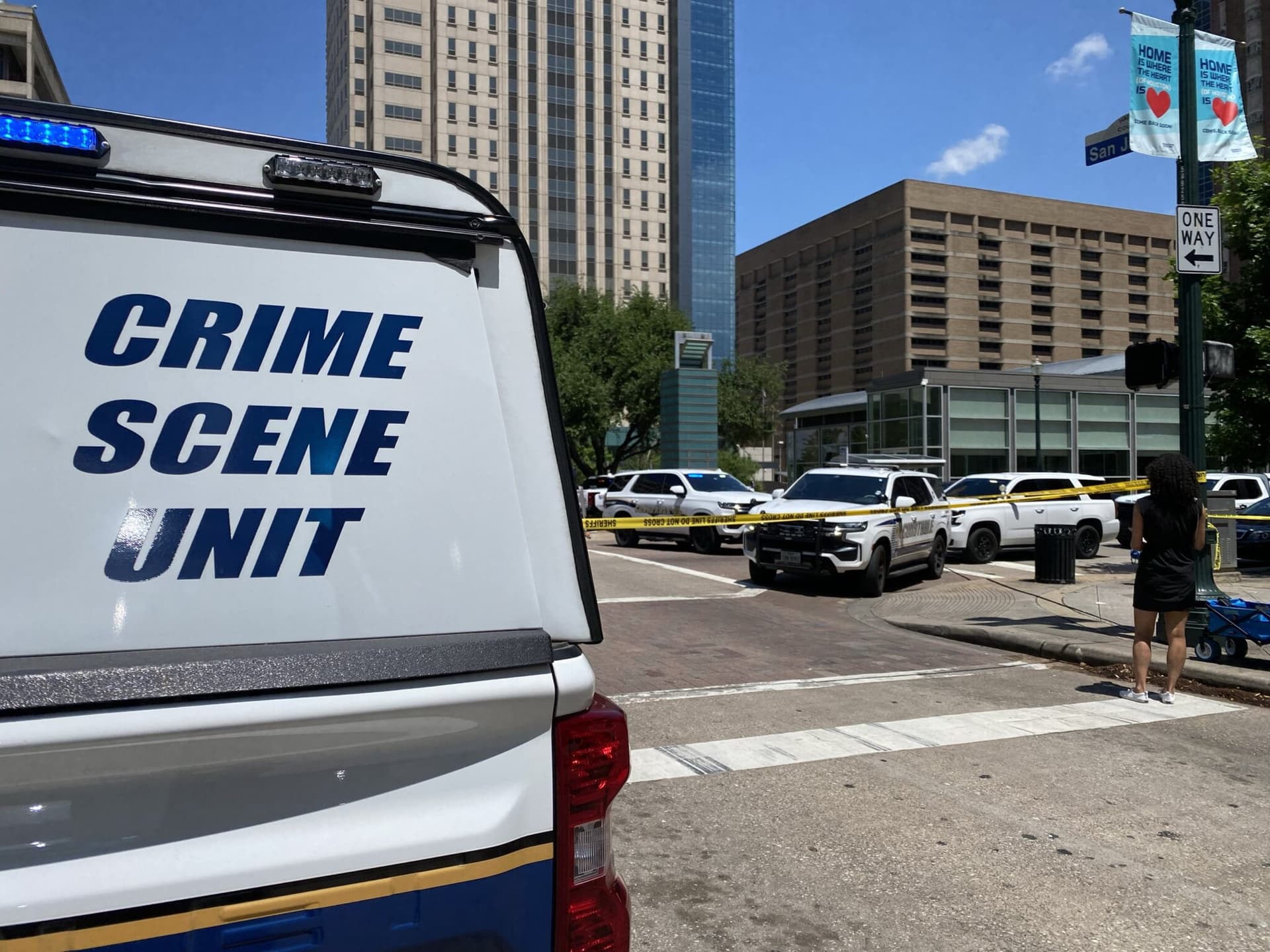
A 19-year-old Taco Cabana employee in Houston was charged after a firearm he was carrying discharged and struck him in the groin while he was on a break at the restaurant. The incident, which occurred on Jan. 14, 2026, left the worker hospitalized and has raised fresh concerns about weapons on shift and workplace liability for restaurant operators.
Police responded to the Taco Cabana after the shooting and took the employee to a hospital for treatment. According to charging documents, the worker told investigators the firearm was in his pants when it discharged. Prosecutors later charged him with unlawful carrying of a weapon and tampering with evidence. The report also notes the employee had been on firearms-related probation previously.
Beyond the immediate medical and criminal consequences for the worker, the episode spotlights operational and legal questions that affect restaurants and their employees. The presence of an unsecured firearm in the front-of-house area during business hours introduces risks of accidental injury to staff and customers, disruption of service, and potential civil exposure for employers if policies and supervision fall short. For line cooks, servers, and managers who already juggle high-pressure shifts, the aftermath of a shooting creates trauma and staffing complications that can ripple through a shift roster.
Younger employees and those with legal restrictions face particular risks. The incident underlines the legal hazards for workers who are underage, on probation, or otherwise prohibited from carrying weapons while on duty. Even when carry laws vary by jurisdiction, an accidental discharge on site can trigger criminal charges, internal discipline, and workers' compensation or civil claims.
For restaurant managers and operators, the case is a reminder to clarify and enforce firearms policies. Clear communication of rules about on-duty carry, guidance about whether employees may carry while off the clock on premises, and practical steps such as secure storage options for personal items can reduce risk. Training on emergency response, incident reporting, and how to handle a weapon-related medical event can also protect staff and customers and limit liability exposure.
Frontline employees should be aware of both the safety stakes and the potential legal consequences of bringing a weapon to work. For managers, human resources staff, and franchise operators, the incident may prompt an immediate review of policies and staff messaging to prevent similar events.
The criminal case will move through the courts, and the incident will likely continue to prompt local discussion about firearms and workplace safety in restaurants. In the meantime, restaurateurs and managers should treat this as an operational hazard to address proactively to protect staff, patrons, and business continuity.
Know something we missed? Have a correction or additional information?
Submit a Tip