2026 Tip Credit Rules, Court Rulings, and Compliance Steps for Restaurants
The One Big Beautiful Bill changed how tipped workers handle federal taxes, but employers still owe FICA and face new 2026 reporting rules that carry real audit risk.
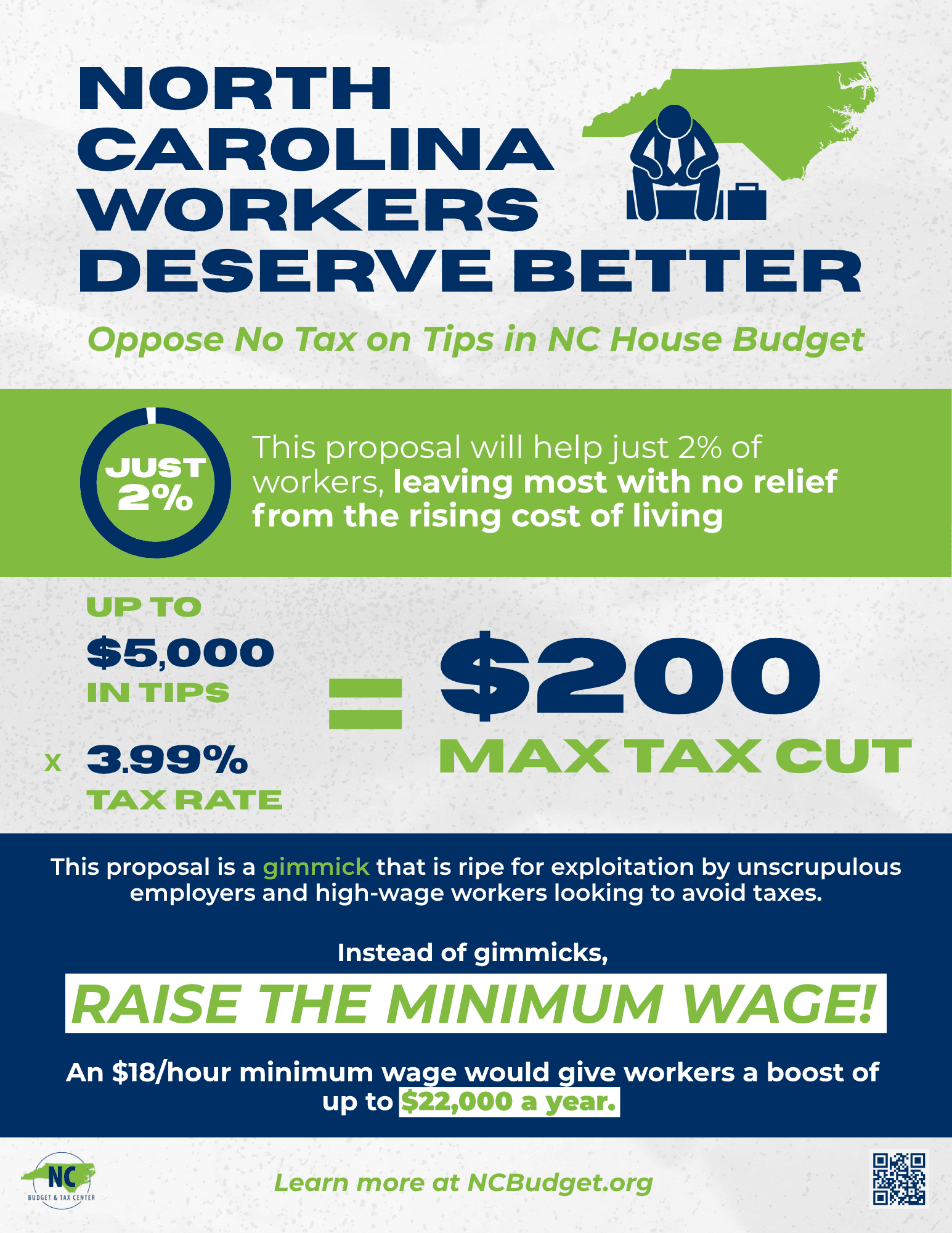
Federal tip credit law has never been simple, and 2026 has made it more complicated. The passage of the One Big Beautiful Bill introduced a federal tax deduction allowing employees in certain occupations to deduct qualified tip earnings from federal income tax, a change that sounds straightforward but carries significant compliance obligations for restaurant operators and workers alike. Understanding exactly what changed, what stayed the same, and where the traps are has become essential for anyone running a tipped-employee workforce.
What the federal change actually does
The One Big Beautiful Bill did not eliminate tip taxes at the payroll level. As Netchex explains in its guidance: "Tip earnings will still be taxed normally in the paycheck. Employees receive the benefit when they deduct qualified tip earnings on their tax return." That distinction matters enormously for payroll processing. The benefit is realized at tax-filing time, not at the point of each paycheck, which means operators cannot simply reduce withholding and consider the matter settled.
The legislation also draws a sharp line between voluntary tips and mandatory service charges. Only voluntary tips qualify for the deduction. Service charges and automatic gratuities do not. Netchex defines a service charge or automatic gratuity as "a mandatory amount added to a customer's bill by the employer, such as a large party gratuity or hotel room service charge." Restaurants that have moved toward automatic gratuities for large parties need to track those amounts separately and communicate clearly to employees that they will not qualify for the federal deduction.
Employer obligations have not shrunk
One of the most common misconceptions already surfacing is that the federal deduction reduces the employer's reporting burden. It does not. Employers must continue collecting tip reports from employees and reporting tip income to the IRS. On the payroll tax side, employers still owe their share of Social Security and Medicare taxes on reported tips. As tax guidance from Ietaxattorney makes clear, "This obligation is unchanged by the new law."
Beginning in 2026, employers must also follow updated payroll reporting requirements. Netchex, which works directly with restaurant operators on payroll processing, has announced it will create a dedicated Service Charges earnings code so that tips and service charges can be tracked separately in payroll systems. That kind of category-level distinction is not optional bookkeeping; it determines which earnings are reportable under the new framework and which are not.
The 2025 transition period
Because the legislation passed mid-year in 2025, the IRS provided transition relief for that tax year. Employers were encouraged to provide a reasonable estimate of qualified tips, but W-2 changes were not required for 2025. That grace period does not extend to 2026. Operators who coasted through 2025 without updating their payroll infrastructure are now behind and need to move quickly.
State law complications: California as the primary example
The federal deduction does not override state tax obligations, and nowhere is that gap more consequential than California. California has no tip credit, meaning employers cannot use tip income to offset the minimum wage requirement. Altametrics, which publishes compliance resources for restaurant operators, addresses this directly under the heading "California Minimum Wage & Tip Credits Rules (No Tip Credit in CA)."
Beyond the tip credit question, California taxes on tips remain due regardless of any federal exemption. Ietaxattorney warns that the California Franchise Tax Board shares data with the IRS and can identify unreported tip income. "The new 'no tax on tips' provision creates genuine benefits for California's restaurant and hospitality workers," the firm notes, "but only for those who understand the rules and comply with ongoing reporting requirements." Workers who assume their federal exemption wipes out all tax exposure on tips face a rude surprise from the FTB.
For California workers looking to reduce their state tax burden on tip income, Ietaxattorney offers a specific planning tactic: "Even with the federal exemption, contributing to a traditional IRA reduces your California taxable income. This can help offset the state tax burden on tips." That is not a workaround; it is a legitimate tax planning step that tipped workers in high-tax states should understand before filing.

The enforcement reality
The IRS has invested heavily in detecting unreported tip income using modern enforcement tools, and data-matching between employer tip reports and individual tax returns is the most immediate risk. The consequences of inconsistent reporting are concrete and swift. Ietaxattorney uses a plain example: "If you report $30,000 in tips to your employer but claim different amounts on your tax return, you'll trigger an immediate mismatch notice from the IRS." That mismatch does not require an audit to be painful; a notice alone generates compliance costs and delays.
Misunderstanding the law, Ietaxattorney warns, "can lead to IRS audits, penalties, and unexpected California state tax bills." For restaurant operators managing large hourly workforces across multiple locations, the risk is multiplied by every employee whose records do not align.
Scheduling and layered compliance
Tip credit and tip reporting obligations do not exist in isolation. Compliance in 2026 means navigating layers of requirements simultaneously. As Altametrics notes in its scheduling compliance guidance, restaurants "usually deal with layers of requirements, and the rules that matter most are often the ones closest to the worksite." Federal law does not require advance schedule notice or schedule-change premium pay, but many cities do. An operator who is fully compliant at the federal level can still be exposed under a local fair workweek ordinance. Tip compliance sits inside this same layered structure.
Operational tools and integration
Several platforms are positioning specifically to help restaurants handle these requirements. TipHaus, which provides tipping software for restaurant operators nationwide, has built automated tip reporting, fair distribution tools, and precise record-keeping into its platform. "These tools not only help you adhere to labor laws but also create a transparent system your staff can trust," the company states. TipHaus integrates with major POS systems, time and attendance platforms, and payroll providers, which is particularly relevant now that tip and service charge categorization must be maintained with precision across all those systems. Brigantine Restaurants is among the operators working with TipHaus, with the company highlighted for its move to daily digital tip payouts and safer operations.
California operators face additional complexity around tip pooling, minimum wage, and service charge allocation. TipHaus addresses that environment directly: "California's unique labor laws, including specific rules for tip pooling and minimum wage, require operators to be both precise and efficient."
What to do now
The compliance window is not wide. Several concrete steps can reduce exposure significantly:
- Audit your payroll system to confirm it distinguishes voluntary tips from service charges and automatic gratuities, and that each category is coded correctly.
- Confirm your tip collection and reporting process produces records that match what employees will report on their individual returns.
- Review your FICA obligations; employer-side Social Security and Medicare contributions on reported tips are unchanged and non-negotiable.
- If you operate in California, do not assume the federal deduction resolves state tax exposure. Consult with a tax professional familiar with both the FTB's data-sharing practices and California's non-conforming treatment of the federal provision.
- Educate tipped employees that their benefit is realized at tax filing, not in their paycheck, and that only voluntary tips qualify.
The new federal tip deduction represents a genuine improvement in take-home income for many service workers, but the compliance scaffolding surrounding it is more demanding than the headline suggests. Operators who treat it as a simple benefit announcement and fail to update their payroll, reporting, and recordkeeping processes will find themselves exposed on multiple fronts well before the next tax season closes.
This article was produced by Prism’s automated news system from verified source data, official records, and press releases, then run through automated quality and moderation checks before publishing. The system is built and supervised by the people who set the standards it runs under. Read our full AI policy.
Did this article answer your question?