AI Moves From Pilot to Mainstream Operations Across Restaurants in 2026
More than 10,000 restaurant locations now run AI voice ordering, and AI scheduling is cutting labor costs by up to 25%; for hourly workers, the math on their hours is getting complicated.
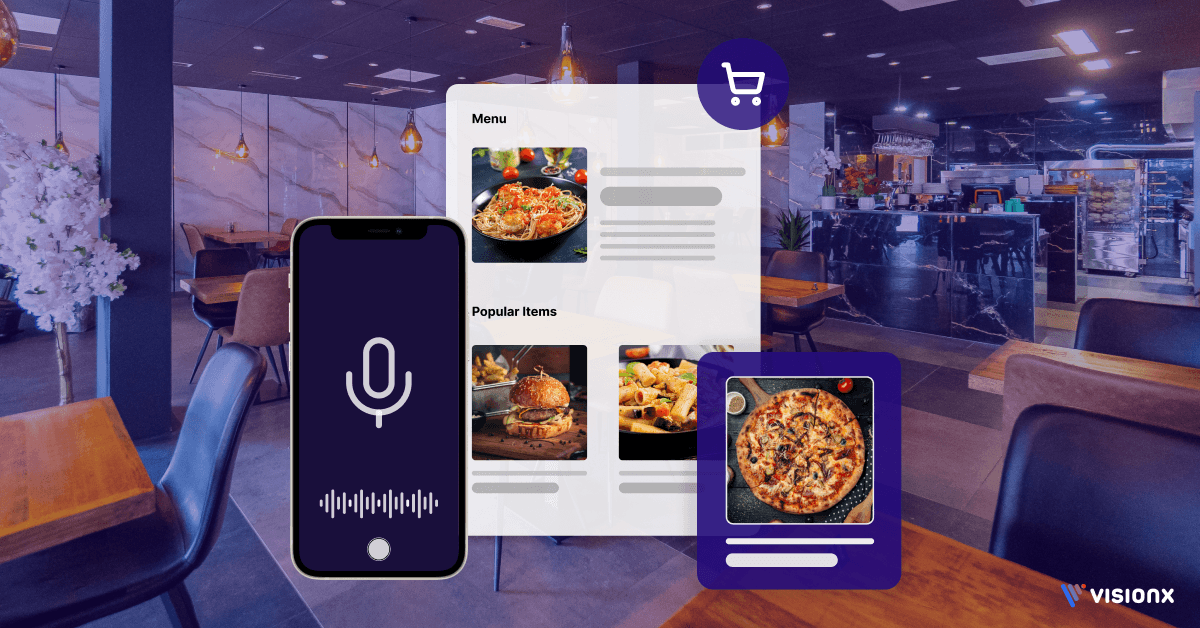
Over 10,000 restaurant locations are now running AI voice ordering systems, and that number is expanding fast. McDonald's has deployed conversational AI at its drive-through lanes: guests place orders conversationally, the system confirms details in real time, and order errors drop. What was described two years ago as a promising pilot is now a daily operational reality for chains, franchisees, and independent operators working to squeeze margin out of a business where labor and food costs leave almost nothing to spare.
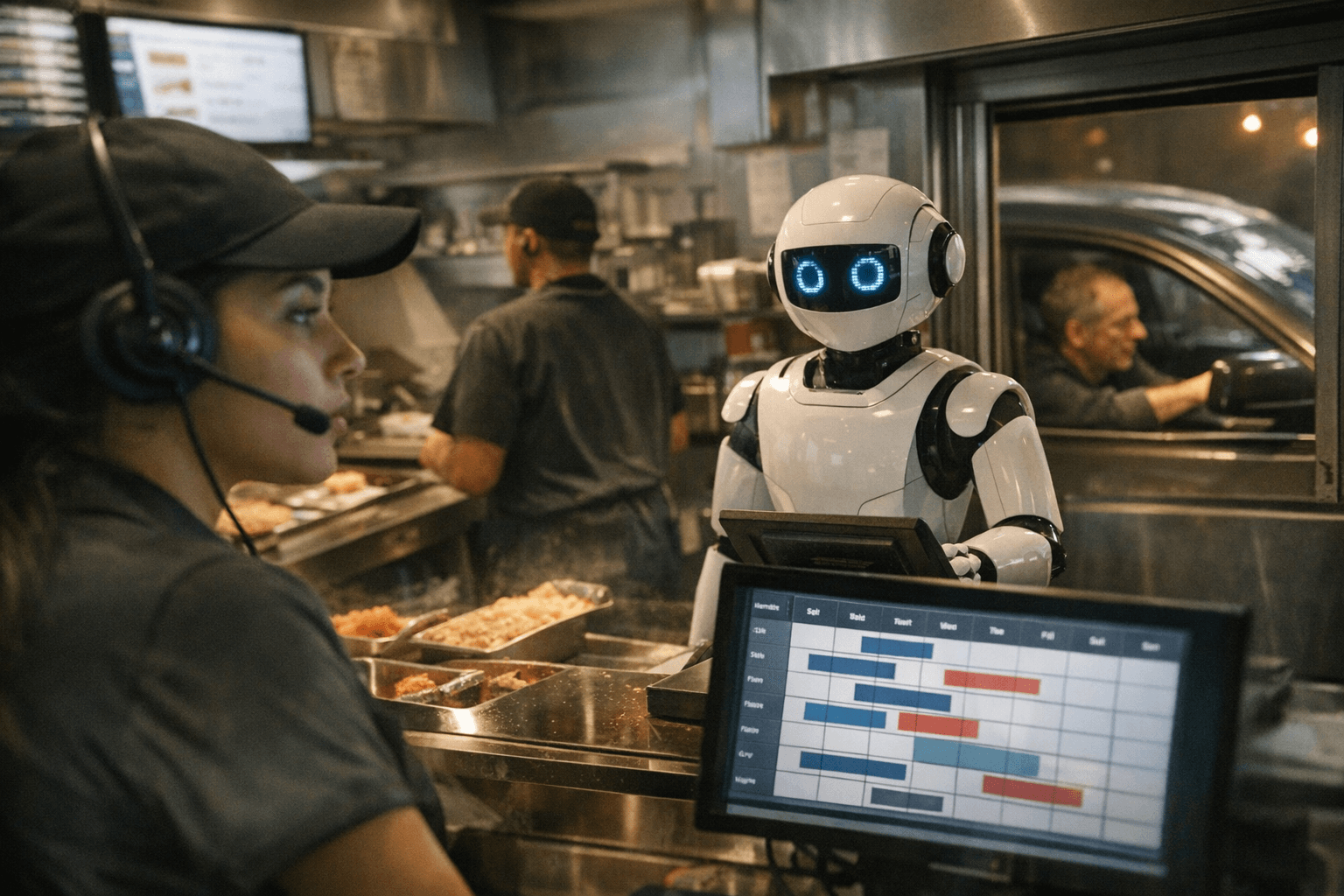
The business case hardened in 2025 and landed in 2026. Restaurants using AI-driven labor forecasting have reported 15 to 25 percent better labor cost control, a range that gives operators in razor-thin-margin businesses a meaningful lever. McDonald's specifically has reported labor costs trimmed by up to 15 percent through scheduling tools that adjust staffing in real time based on predicted traffic. Three out of four U.S. restaurants now rely on digital scheduling tools of some kind.
Beyond voice ordering and scheduling, the technology stack has broadened. Inventory forecasting tools now recommend purchasing decisions to reduce spoilage before a prep cook ever touches the walk-in cooler. Menu personalization systems surface upsell suggestions based on order history. Back-office automation handles reconciliations and reporting that used to consume a closing manager's final hour of every shift.
For cooks, servers, and bartenders, the near-term effects cut in two directions. Reducing order errors at the expo window means fewer complaints at the table and fewer tipped employees absorbing the cost of kitchen mistakes in guest satisfaction scores. Automating manual inventory counts and scheduling adjustments removes friction that compounds into burnout during high-volume service. That part is real.
The harder question is medium-term staffing. Where AI substitutes directly for a task rather than supporting one, voice ordering instead of a cashier or an automated station instead of a line position, hourly staffing needs can shrink unless operators reinvest productivity gains into expanded hours or redeployed roles. That choice is a management decision, not a technical inevitability, and it varies sharply across operators.
Labor organizing has already caught up to the stakes. In November 2023, Las Vegas hospitality workers represented by the Culinary union secured expanded technology rights in their contract, including retraining provisions for workers whose jobs were altered or replaced by automation. That agreement set a template. In unionized settings across the country, transparency around AI-driven scheduling changes and protections against unilateral pay cuts tied to automation are now shaping up as bargaining priorities.
Workers watching pilots roll out in their buildings have a clear practical position: track whether new systems are affecting scheduled hours, volunteer for cross-training before it becomes a requirement, and keep a record of technical skills gained. Cities with dense concentrations of low-wage restaurant workers are watching the same dynamic, and local labor boards in several jurisdictions are weighing what regulatory guardrails might look like as adoption accelerates.
The question operators have not fully answered is whether AI at scale reduces headcount or primarily raises productivity without cutting positions. Until the data is in from major chains' deployments, that distinction, and what it means for a cook's weekly pay, remains open.
This article was produced by Prism’s automated news system from verified source data, official records, and press releases, then run through automated quality and moderation checks before publishing. The system is built and supervised by the people who set the standards it runs under. Read our full AI policy.
Did this article answer your question?