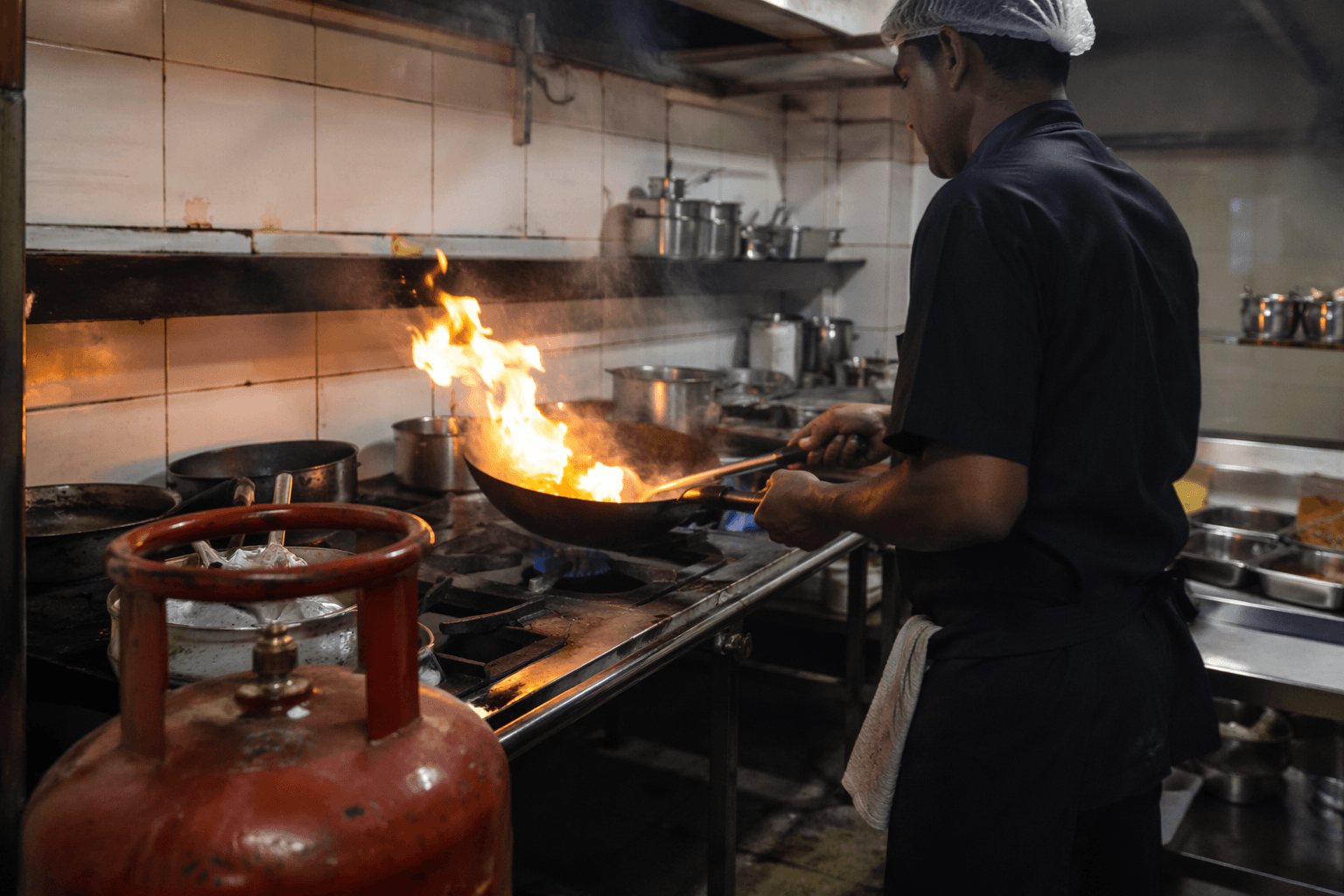
Beirut's Sofra Platform Unites Restaurants, Donors to Feed Displaced Families
A Beirut platform called Sofra has delivered 2,444 meals to 49 shelters using 14 restaurants, turning kitchen staff into the front line of Lebanon's humanitarian response.
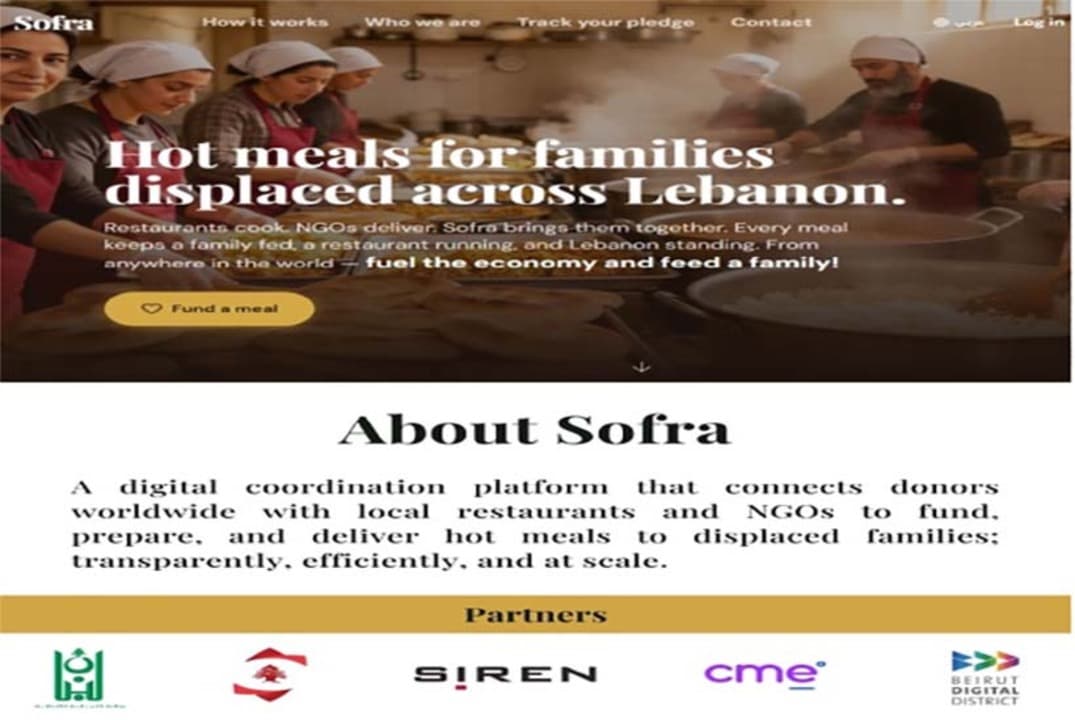
At Le Pelican, the kitchen hasn't changed: same staff, same stoves, same prep line. What changed is who the food goes to. Instead of plating seafood for paying diners, the crew there has been preparing hot meals for displaced families, one batch at a time, as part of a digital initiative called Sofra that has quietly turned a slice of Lebanon's restaurant industry into a relief operation.
With more than one million people displaced and thousands of families struggling to secure a daily meal, Sofra was built as a digital coordination platform connecting donors worldwide with local Lebanese restaurants and NGOs to fund, prepare, and deliver hot meals to displaced families. It was launched through a partnership between the Lebanese Ministry of Tourism, the organization Siren, the company CME, and the Beirut Digital District.
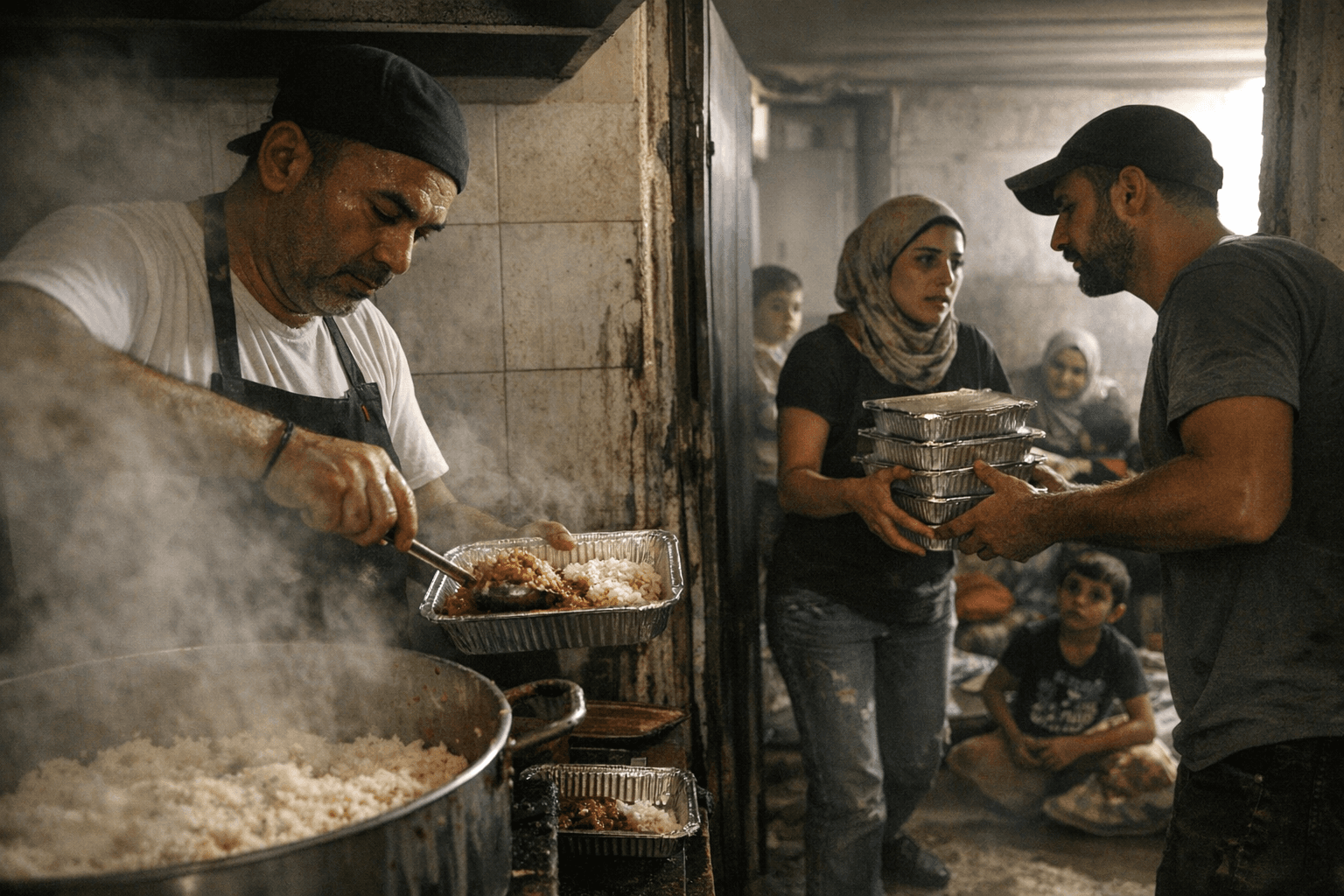
The mechanics are straightforward by design. Restaurants prepare funded meal batches using their operational kitchens and teams. NGOs deliver to verified shelters, confirm deliveries with photo verification, and donors receive live updates on exactly where their contribution went. Donations can start at $3. The initiative has been presented to the National Food Security Sector, which coordinates food assistance to shelters across Lebanon.
The transparency piece is central to how Sofra pitches itself to skeptical donors. "Everything is centralized on the Sofra platform, where all the information is transparent: participating restaurants, funds collected and the NGOs responsible for distribution," a source at the Ministry of Tourism said. "The figures are updated hour by hour."
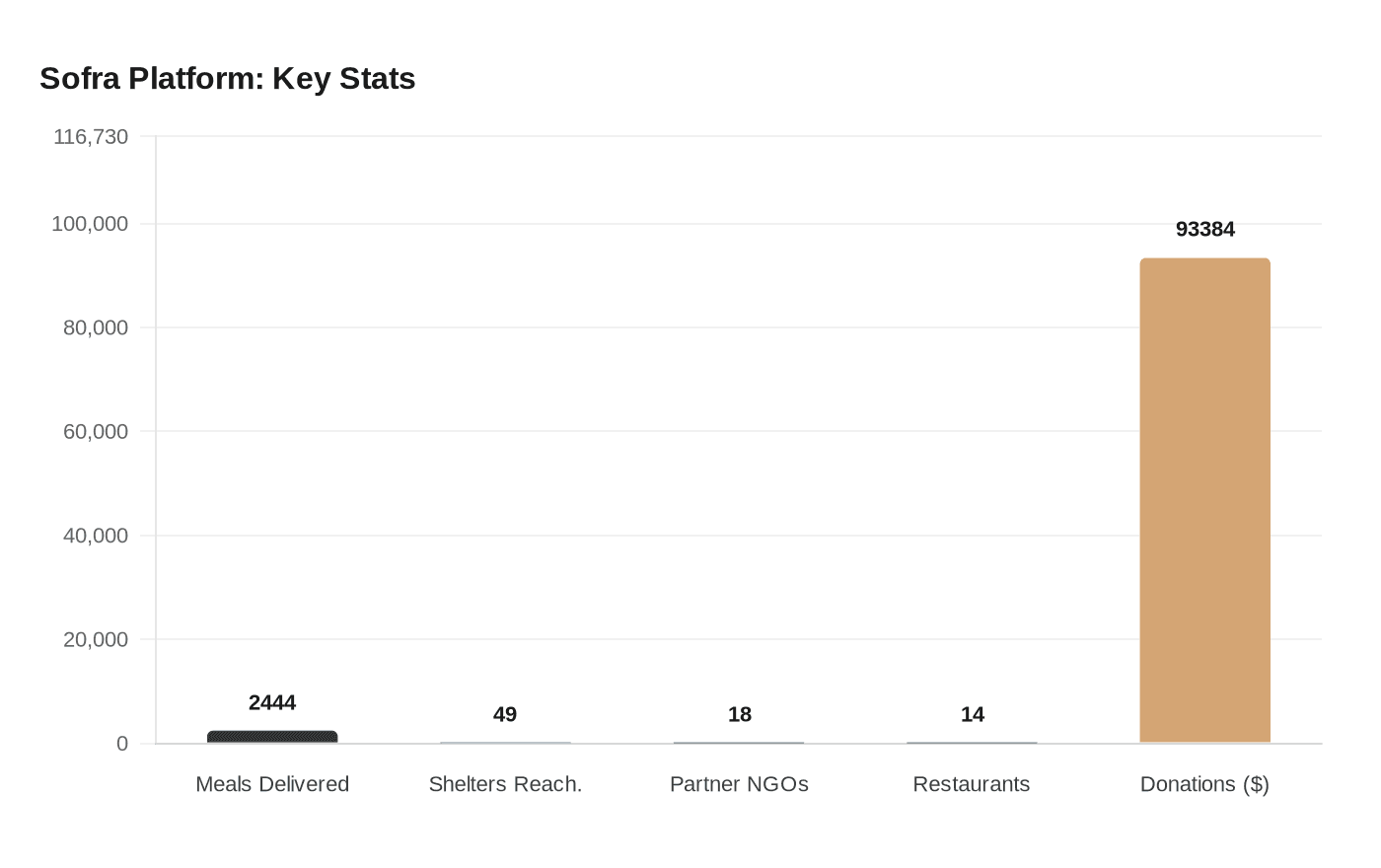
Those figures, as of mid-March, told a specific story: more than one million people displaced across Lebanon, and since the platform launched, 2,444 meals delivered to 49 shelters, 18 partner NGOs mobilized, 14 restaurants participating, and $93,384 collected in donations. The safety net built into the NGO network matters on the ground: if one organization can't complete a delivery, another steps in.
For restaurant workers, the model offers something most crisis-era pivots don't: a paycheck. Lebanon's overlapping crises had already left hundreds of thousands without reliable access to food, while restaurants with the capacity to cook sat underutilized. Sofra threads that gap, letting kitchens run at cost and keeping staff employed rather than sending them home. The founding team frames it explicitly: "This isn't charity in the traditional sense. We're building an economic loop. Donors feed families. Restaurants keep their doors open and their staff employed. NGOs operate with structure and accountability. Everyone wins."
Sofra's system matches donations with restaurants based on each establishment's capacity and delivery routes, with distribution carried out by NGOs in shelters and each delivery confirmed through photographic records. The platform claims it can scale beyond Lebanon: the collaboration brings together public-sector endorsement, private-sector execution, and digital infrastructure to enable coordinated humanitarian response at scale, and the founding team describes the model as replicable in any crisis where local food infrastructure exists but coordination is missing.
For the line cooks and prep staff now filling containers instead of dinner plates, that larger vision probably matters less than the immediate reality: the walk-in still needs to be stocked, the service window still runs on a ticket system, and the people eating at the other end are families who fled South Lebanon, the Bekaa, and Beirut's southern suburbs with little more than what they could carry. The kitchen logic is the same. The stakes are just different now.
This article was produced by Prism’s automated news system from verified source data, official records, and press releases, then run through automated quality and moderation checks before publishing. The system is built and supervised by the people who set the standards it runs under. Read our full AI policy.
Did this article answer your question?