Carl's Jr. Franchisee Bankruptcy Puts 65 California Restaurants, Workers at Risk
Harshad Dharod's Friendly Franchisees Corp., the largest Carl's Jr. franchisee in California, filed Chapter 11 on April 2, putting jobs at 65 locations in jeopardy.
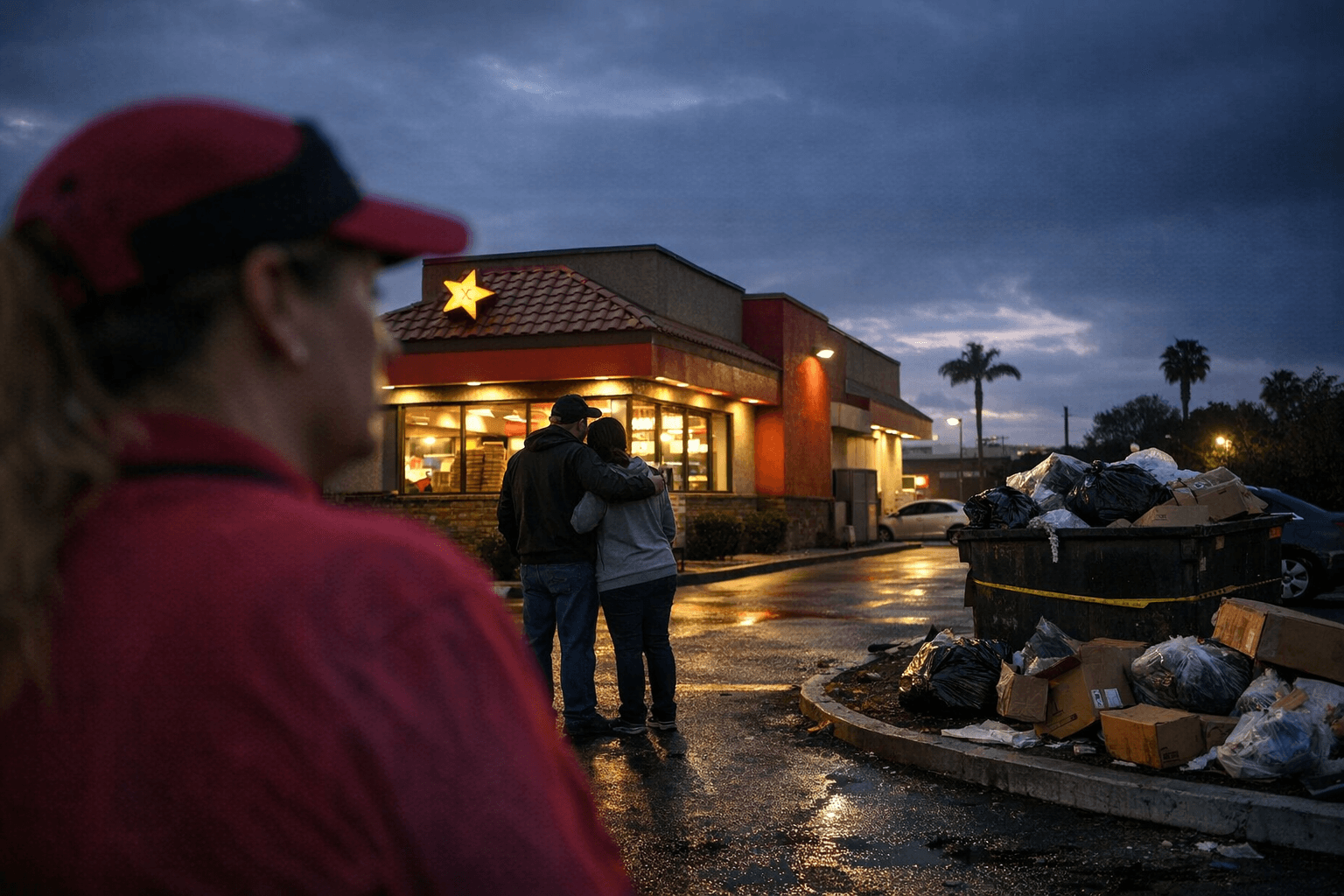
Harshad Dharod, founder of Friendly Franchisees Corporation and the self-described largest Carl's Jr. franchisee in California, filed Chapter 11 bankruptcy on April 2 through a web of affiliated entities, placing 65 restaurants under court protection and throwing the livelihoods of workers across the state into immediate uncertainty.
The filing, made in the U.S. Bankruptcy Court for the Central District of California, covers six Dharod-controlled companies: Sun Gir Incorporated, Harshad & Nasir Incorporated, Senior Classic Leasing, DFG Restaurants, Second Star Holdings, and Third Star Investments. Each entity listed between zero and $50,000 in both assets and liabilities, a figure that understates the operational scale of a company running dozens of fast-food locations from Northern to Southern California. Dharod's team petitioned for joint administration of all cases to streamline the restructuring.
For the line cooks, cashiers, and shift managers staffing those 65 locations, the legal language translates to something far more immediate: the prospect of closures with little notice, reduced hours, or paychecks tied to a company whose solvency is now subject to court oversight. Chapter 11 gives a debtor room to reject leases and shed underperforming stores, which can mean sudden shift cancellations before any formal closure announcement reaches staff. Workers at affected locations should monitor posted WARN notices, which California law requires ahead of mass layoffs or plant closings, and keep pay stubs current. If a location closes, unemployment insurance eligibility begins the moment the last check clears.
Dharod acquired the Carl's Jr. restaurants in 2000 and built FFC into what the company claimed was a top performer, saying it drove profits and sales "far above the brand average" within its first few years. After 25 years of operation, those same locations are now subject to a federal restructuring process.
CKE Restaurants, the Carl's Jr. parent company, moved to separate itself from the fallout. "This situation is specific to this individual franchisee's financial and business circumstances," a spokesperson said. "This has no impact on the operations of any other Carl's Jr. locations." The brand currently counts 588 California units, a figure that has already fallen 4 percent from 613 in 2023, before this filing.
The FFC collapse joins a widening list of franchisee failures in 2026. A 136-unit Popeyes operator filed Chapter 11 and began closing stores in recent weeks; Applebee's franchisees have faced comparable pressure. The pattern is consistent: rising food costs, higher debt-service burdens from elevated interest rates, and labor expenses that compressed margins past the breaking point for heavily leveraged operators.
Whether any of Dharod's 65 locations survive intact depends largely on whether buyers emerge for individual restaurants or whether CKE steps in to re-franchise them, a path some parent companies have taken when large operators collapse. Until that picture clarifies, the workers inside those locations are the ones absorbing the risk.
This article was produced by Prism’s automated news system from verified source data, official records, and press releases, then run through automated quality and moderation checks before publishing. The system is built and supervised by the people who set the standards it runs under. Read our full AI policy.
Did this article answer your question?