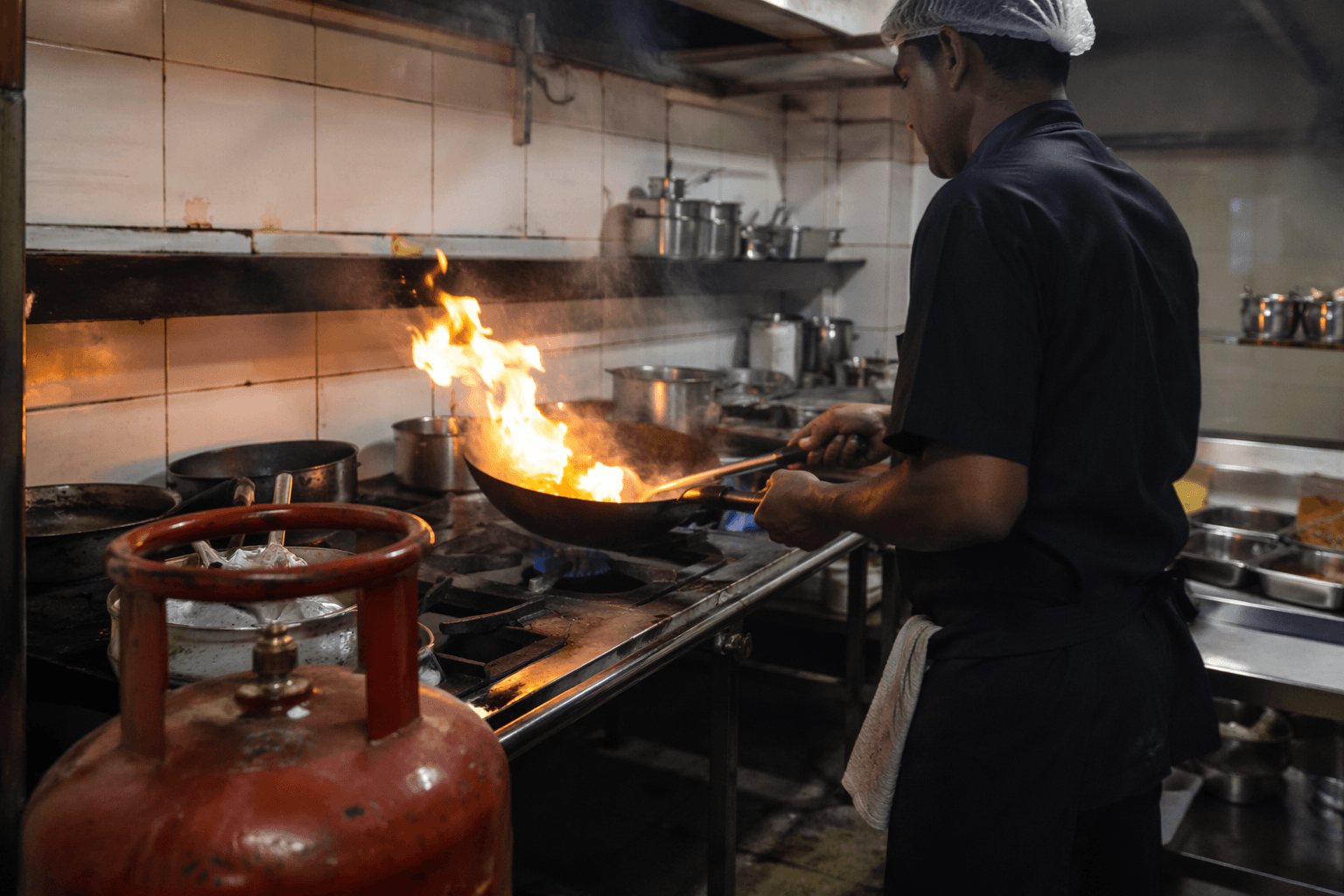
Restaurant Leaders Warn High Taxes and Wages Will Trigger Widespread Closures
Leon co-founder John Vincent says the government takes 36p of every £1 in customer spending, leaving owners just 2p as 20 Leon sites close and thousands of hospitality jobs disappear.
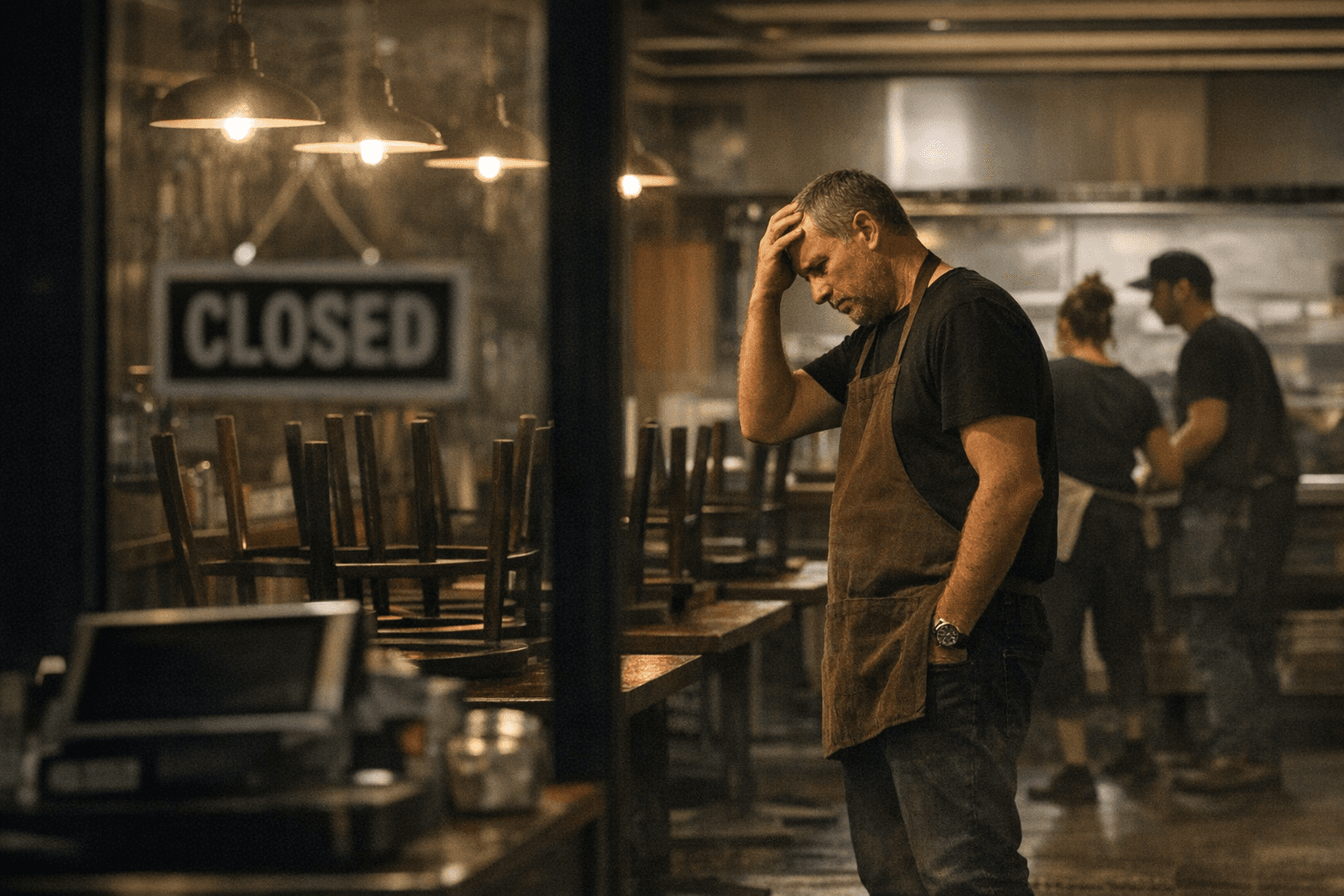
John Vincent has a blunt diagnosis for Britain's restaurant collapse: "Everyone knows restaurants are done." The co-founder of Leon fast food chain used a Times Radio interview to lay the blame squarely on the Labour government, accusing it of "totally killing the restaurant industry" through what he called an "incredibly toxic tax regime" and an "unsustainable tax burden on the sector."
The numbers Vincent cited were stark. For every pound a customer spends at a restaurant, roughly 36p goes to the government in tax, leaving approximately 2p for the company itself. "It's why most players are reporting big losses," he said. His own chain became Exhibit A when Leon entered administration in December 2025, appointing restructuring firm Quantuma and announcing the closure of 20 of its 71 restaurants. Around 1,120 workers faced redundancy notices, though Leon arranged a dedicated recruitment channel through Pret A Manger for displaced staff.
Vincent had bought Leon back from Asda in October 2025 for a reported £30 to £50 million, a fraction of the £100 million he sold it for in 2021. He inherited a business already hollowed out by pandemic-era work pattern shifts, a cost-of-living squeeze on customers, and rising operational costs. But his sharpest criticism was aimed at policy, not markets. "This is not the market that's doing this. This is the government. It is not the consumer that doesn't want to eat in restaurants."
The government policies Vincent singled out took full effect in April 2025: employer National Insurance contributions rose from 13.8% to 15%, while the earnings threshold at which employers begin paying NICs was cut from £9,100 to £5,000, meaning restaurants paid contributions on a far larger share of every worker's wages. Minimum wage has climbed 40% since 2020, and from April 2026 the National Living Wage is set to rise again, to between £12.55 and £12.86 per hour. For an industry where labour typically accounts for 30 to 50% of operating costs, the compounding effect has been brutal.
The industry data backs Vincent's warnings. Two-thirds of hospitality firms said they would be forced to cut jobs following the April 2025 tax rises, and one in seven said they would shut operations entirely. Between September and December 2025, the sector shed more than 20,000 payrolled employees. UKHospitality has warned that a further 100,000 job losses are possible as all three cost pressures, higher employer NICs, minimum wage hikes, and changes to business rates relief, hit simultaneously. One-third of hospitality businesses have already cut operating hours; one in eight has closed locations outright.
For kitchen and floor workers, the squeeze is hitting from both directions. Operators say they cannot absorb costs by raising menu prices without losing customers already stretched by the cost-of-living crisis, which means the adjustment falls on headcount, hours, and site viability instead. Vincent put it plainly: "The high street is dead."
The government has faced sustained pressure from the hospitality sector to reconsider its approach, but as of April 2026, the wage and tax increases remain in place and chains across the country are still calculating what they can afford to keep open.
This article was produced by Prism’s automated news system from verified source data, official records, and press releases, then run through automated quality and moderation checks before publishing. The system is built and supervised by the people who set the standards it runs under. Read our full AI policy.
Did this article answer your question?