CCOO and UGT Lead Malaga Hospitality Protests Demanding Higher Pay, Better Conditions
Hospitality workers in Malaga staged demonstrations on Jan 13 as CCOO and UGT demanded higher pay and better working conditions. The protests signal continued pressure for post-pandemic wage recovery in the sector.
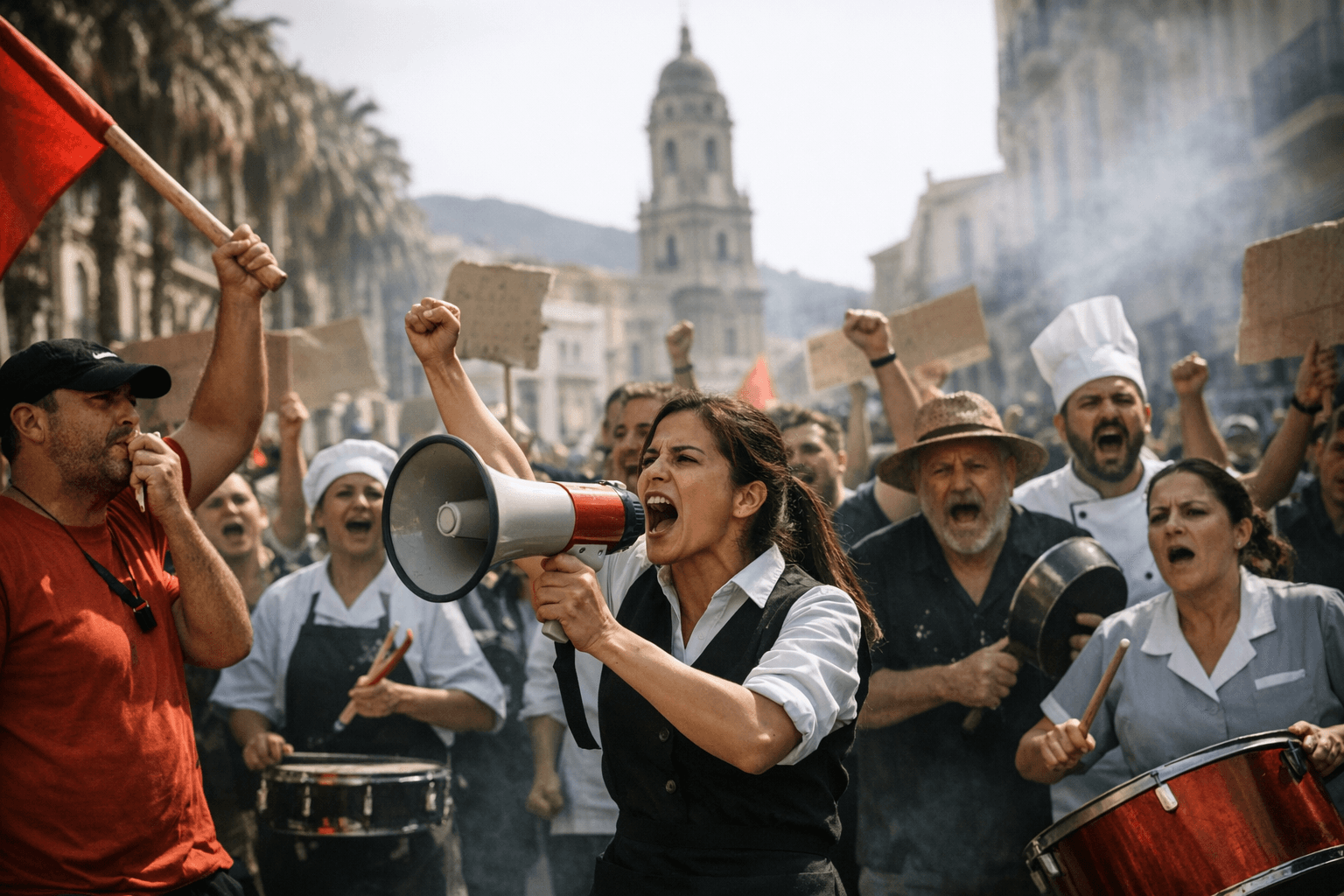
Hundreds of hospitality and restaurant staff took to the streets of Malaga on Jan 13 in rallies and marches led by Spanish unions CCOO and UGT, pressing employers for higher wages and firmer protections as the city heads into a high-tourist season. Organizers framed the action as a response to strong tourist demand that has not translated into pay gains or better enforcement of contracted hours for front-of-house and back-of-house workers.
Demonstrators followed planned routes through central streets, gathering at plazas and outside key hospitality districts to deliver a clear set of demands. Unions called for a multi-year wage rise, stricter enforcement of contracted hours, and improved overtime and holiday practices. They argued that the sector’s recent profits should be shared with workers who still contend with unstable rotas, unpaid overtime, and what unions describe as inadequate holiday pay mechanisms.
Local representatives and labour officials urged employers and union leaders to negotiate a settlement, underlining that a negotiated agreement would avert disruptions during one of the busiest periods for restaurants, bars and hotels. On-the-ground reporting noted visible banners and coordinated chants aimed at drawing attention to staffing pressures and morale problems that managers describe as hampering consistent service and retention.
The protests underscore long-running tensions in hospitality work: seasonal demand spikes drive revenue, but routine scheduling practices and short-term contracts limit workers’ ability to capture that value. For staff, the immediate implications are practical - clearer enforcement of contracted hours would reduce unpaid overtime and scheduling unpredictability, while a multi-year wage plan could ease turnover and make evening and weekend shifts more sustainable. For managers and owners, meeting union demands would mean recalibrating labour costs and rotas to secure labour peace during peak months.
This action in Malaga fits into a broader European pattern of post-pandemic labour activism across restaurants, hotels and bars where unions are pushing for wage recovery and predictable work schedules. Employers face the dual challenge of remaining competitive in a crowded tourist market while responding to calls for fairer pay and working conditions.
What happens next will matter to anyone who works in or runs hospitality operations in Malaga. If employers and unions open substantive talks, staff may gain stronger protections ahead of the busy season; if not, similar demonstrations or targeted actions could re-emerge as unions press for enforceable agreements that address pay, overtime and holiday practice.
Know something we missed? Have a correction or additional information?
Submit a Tip