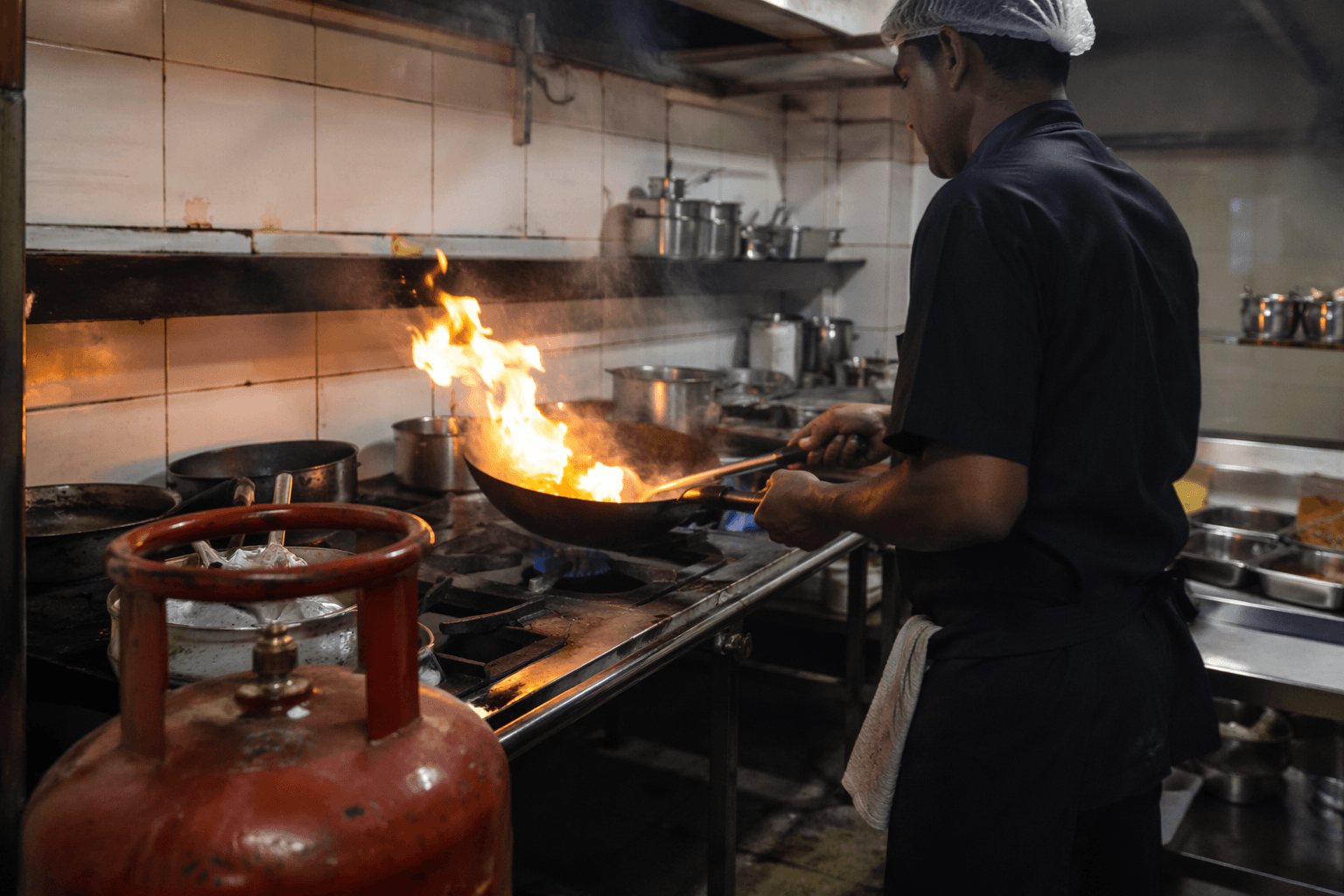
Chef Allegations Prompt Legal Warnings on Kitchen Workplace Violence
René Redzepi resigned from Noma's sold-out $1,500-a-ticket LA pop-up after abuse allegations, and employment lawyers have now outlined four OSHA-backed steps every kitchen operator must take.
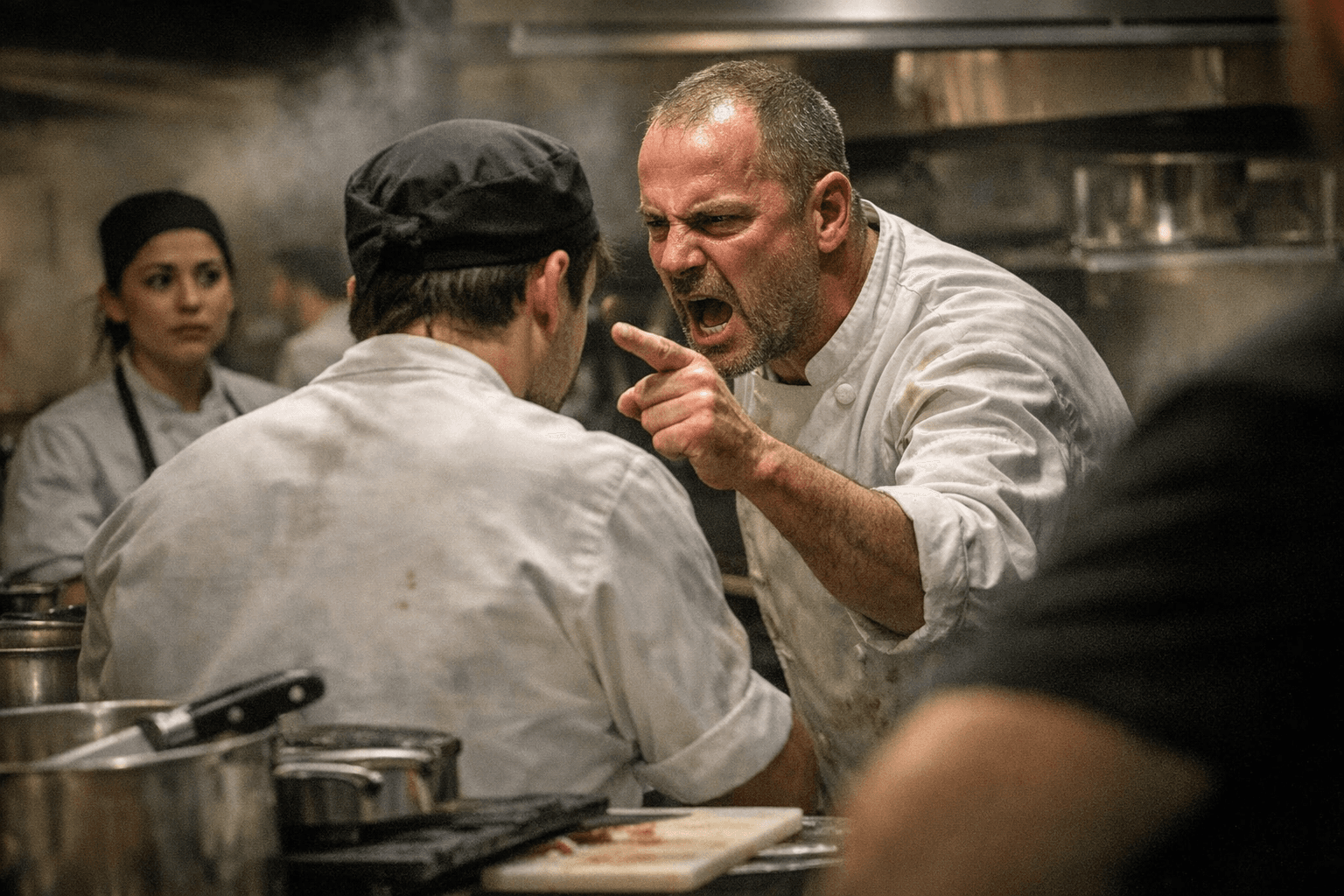
Jason Ignacio White spent nearly five years as director of fermentation at Noma before he planted himself outside the Paramour Estate in Silver Lake on the opening day of the restaurant's sold-out Los Angeles pop-up. The former employee had spent weeks collecting accounts from more than 50 workers worldwide who described being physically and emotionally abused by René Redzepi, Noma's celebrated co-founder, and he was not going to let a $1,500-a-ticket dinner go uncontested.
By that evening, Redzepi was gone. The Danish chef who led Noma to the top of the world's best restaurant rankings and built a three-Michelin-star reputation before the Copenhagen restaurant ended traditional service in 2024 resigned from running the LA residency and from the board of MAD, the nonprofit he founded in 2011 to support people entering the industry. Former staff described him shoving, punching, and jabbing workers with kitchen implements across more than two decades of service. American Express and other corporate sponsors had already pulled out after the New York Times reported the accounts of dozens of former employees. "An apology is not enough; I take responsibility for my own actions," Redzepi said in a statement.
The resignation landed directly in the work of employment lawyers at Ogletree Deakins, who used the episode to outline what kitchen operators are legally required to do when allegations of this kind surface. In a March 25 analysis, attorneys R. Scott DeLuca and Christopher P. Hammon identified four immediate obligations: launch a prompt, impartial investigation; train managers in de-escalation; document every complaint and remedial action; and maintain reporting channels that do not discourage workers from coming forward.
The analysis cited OSHA's general duty clause, which holds every employer responsible for providing a workplace free from recognized hazards, including physical violence from supervisors and coworkers. The attorneys also flagged Noma's reliance on unpaid apprentices, known in the industry as stages, as a separate legal liability, noting that FLSA wage-and-hour requirements apply regardless of how deeply rooted the tradition is.
The stakes for operators who ignore these obligations are not abstract. Employers who fail to investigate abuse complaints, or who retaliate against workers who raise them, face exposure under both federal safety standards and anti-retaliation statutes. The analysis noted that restaurants carry elevated violence risk relative to many other industries, a function of physical tools, relentless pace, and concentrated authority structures that rarely exist elsewhere.
White's effort to document abuse across Noma's international operations points to the structural problem the legal warnings are designed to address: kitchens built around a single dominant personality, where hierarchy discourages complaint and tolerance for verbal aggression is normalized, are exactly the environments OSHA's general duty clause was designed to reach. Whether the combination of public pressure and legal scrutiny pushes operators toward enforceable written policies, rather than informal norms, will determine whether this episode produces lasting change or becomes another cautionary footnote in food-service labor history.
This article was produced by Prism’s automated news system from verified source data, official records, and press releases, then run through automated quality and moderation checks before publishing. The system is built and supervised by the people who set the standards it runs under. Read our full AI policy.
Did this article answer your question?