Clover Food Lab closes as plant-based boom fades, Restaurant Business says
Clover Food Lab shut its last 11 locations and delivery business, putting 182 jobs at risk and underscoring how fast a menu trend can become a payroll problem.

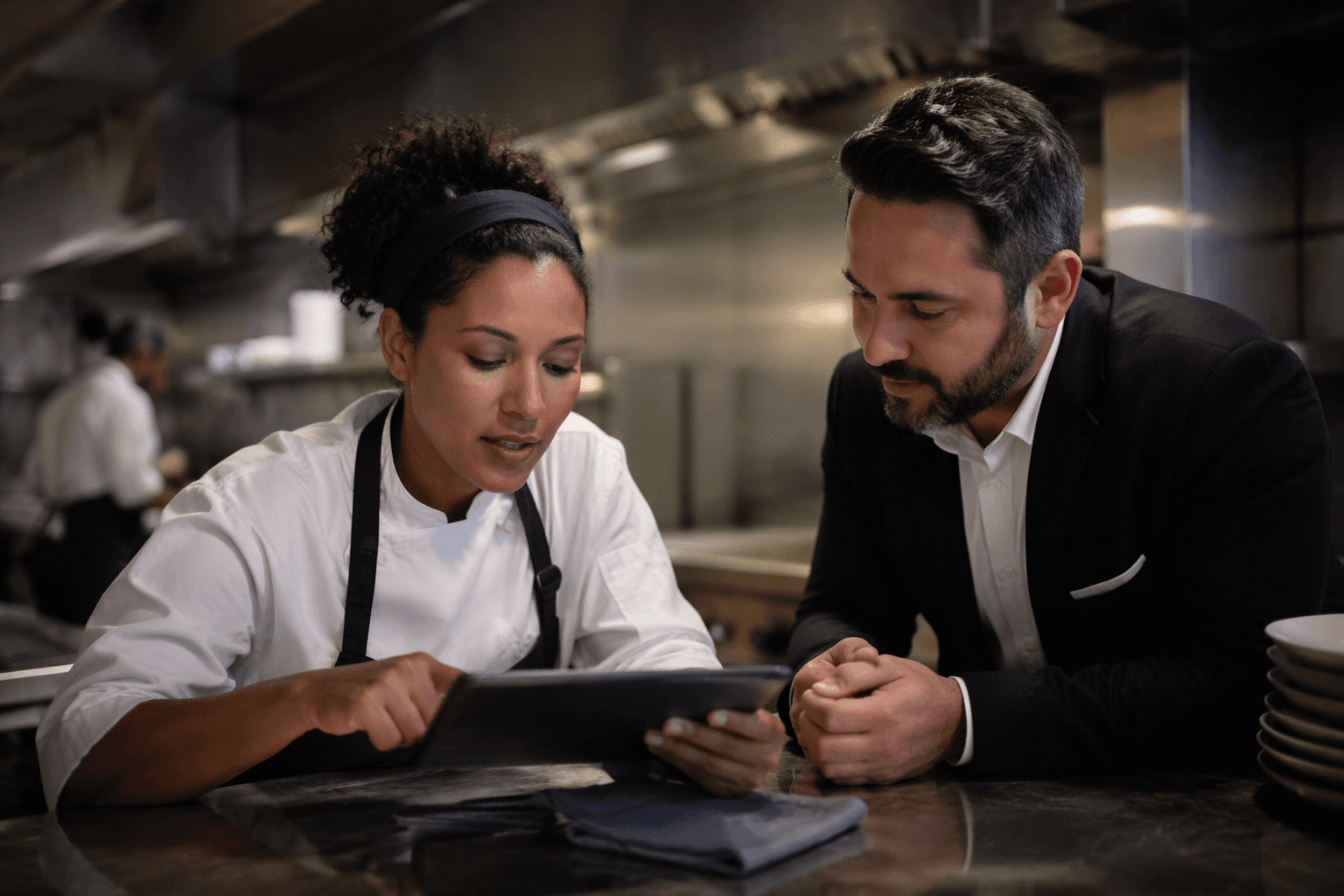
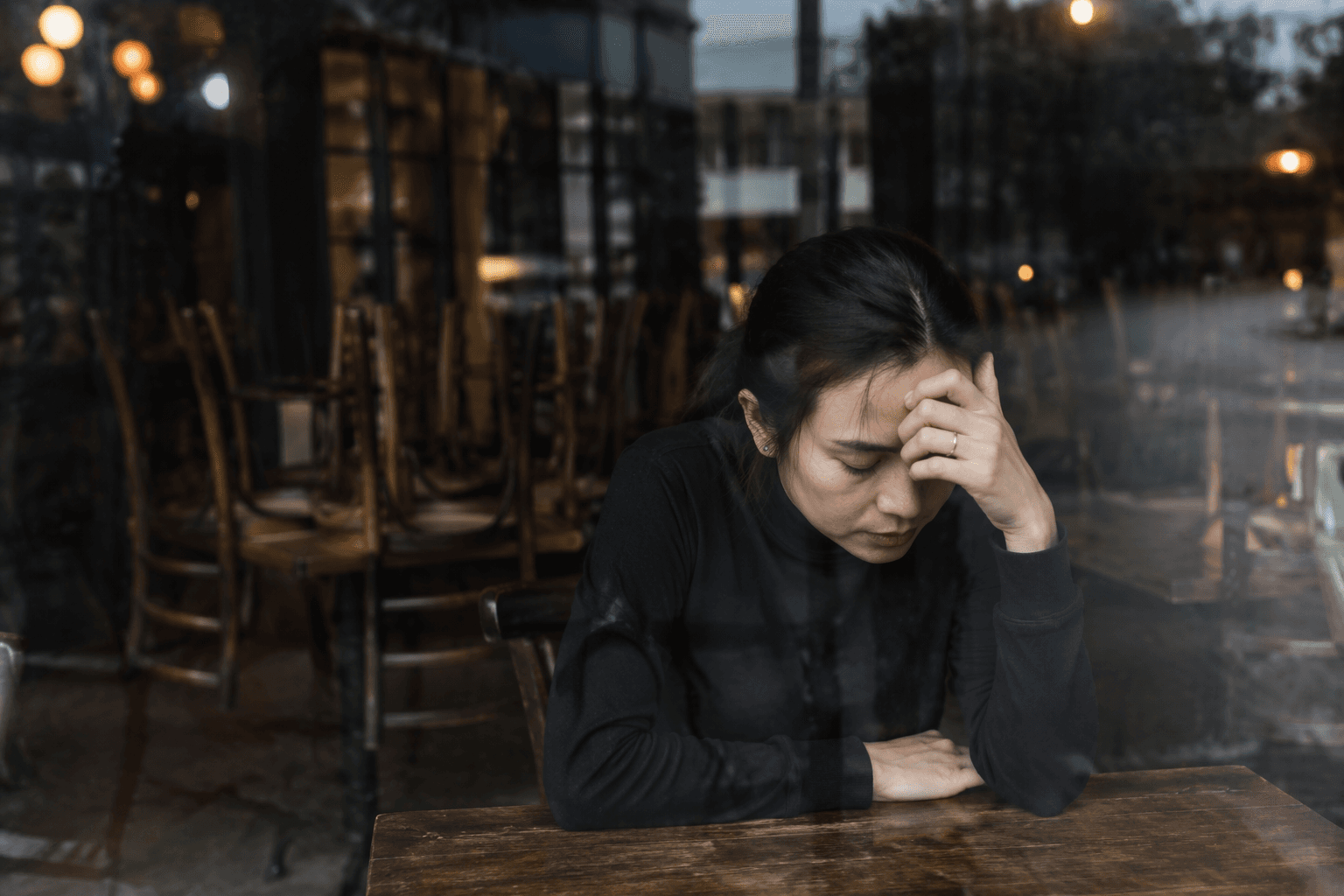
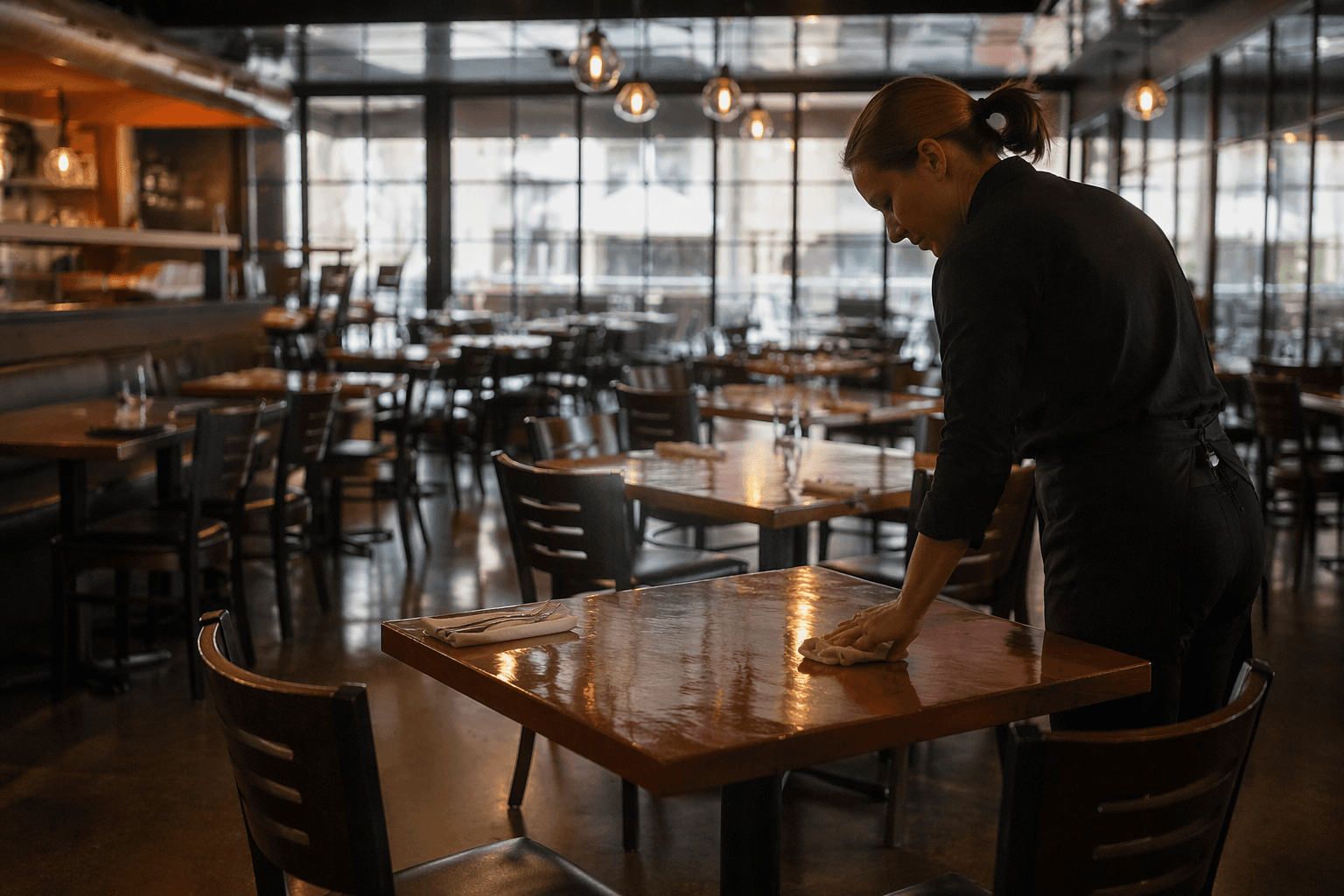
Clover Food Lab shut its remaining 11 restaurants and meal-box delivery business on Thursday, turning a once-ambitious plant-based expansion story into a hard lesson on labor, costs and demand. A March 30 layoff notice warned that 182 jobs across those stores could disappear if the company could not find a buyer, a reminder that when a concept built around a hot menu category falters, line cooks, shift leads and managers feel it first.
The Cambridge, Massachusetts chain started as a food truck at MIT in 2008 and grew to 12 units before filing for Chapter 11 bankruptcy protection in November 2023. Clover emerged from bankruptcy in April 2024 with 13 locations and a goal of reaching 60 by 2029. Instead, by late May 2026 it was out of time, out of runway and out of stores. Chief executive Julia Wrin Piper told customers the final day of service was Thursday, May 28, after the company spent spring 2026 looking for a buyer.
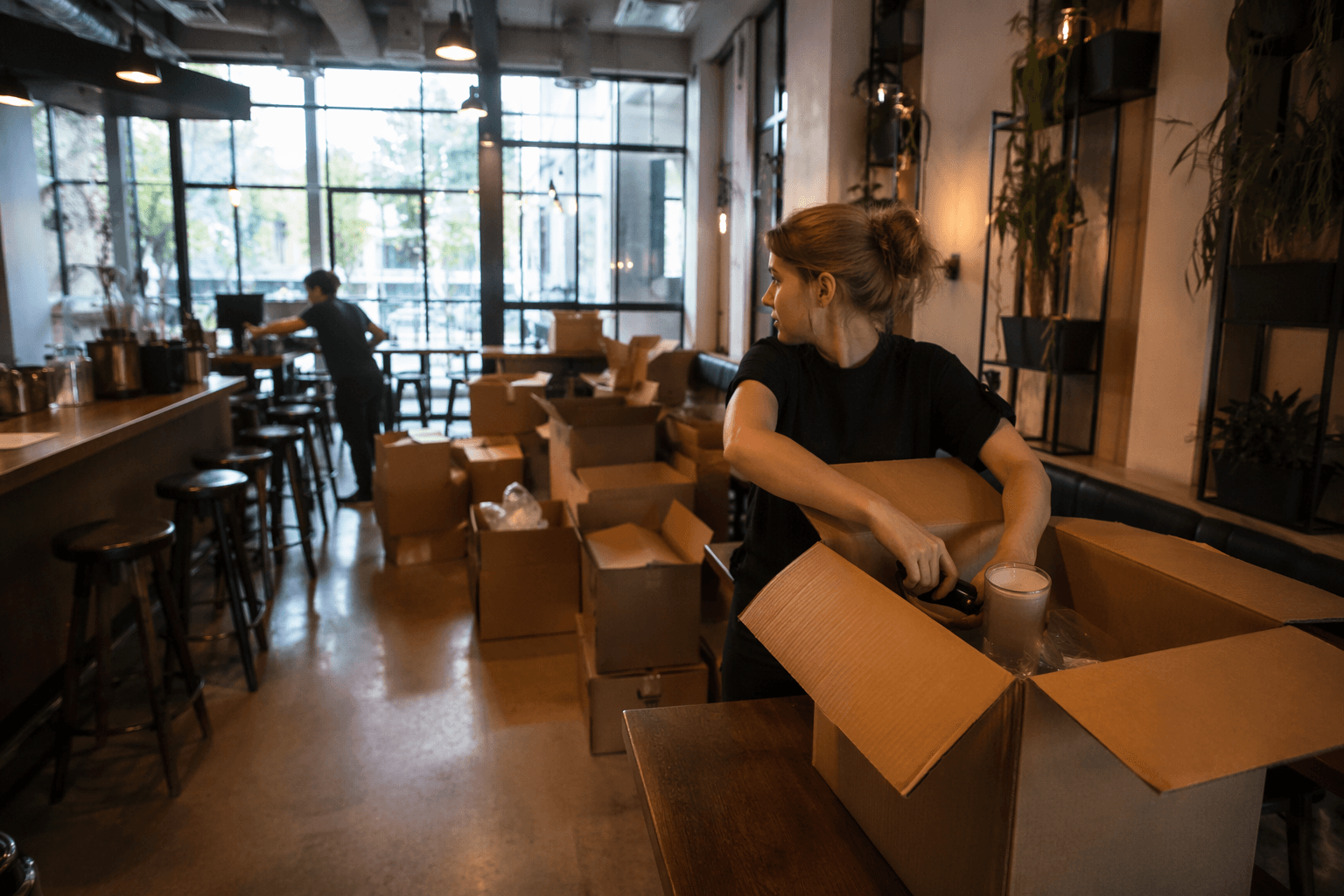
Clover’s shutdown fits a wider pattern of plant-based restaurant stress. Hart House closed all four of its Los Angeles-area locations in September 2024. Veggie Grill had already closed about 40% of its units before Next Level Burger acquired it in January 2024. Planta filed for Chapter 11 in May 2025, initially citing declining consumer spending and high costs before later moving toward liquidation in 2026. Slutty Vegan, another name that once rode the plant-based buzz, has also been part of the sector’s contraction story. The category is not vanishing, but the standalone restaurant play is getting harder to defend.
The numbers explain why. The Good Food Institute said U.S. plant-based retail sales totaled $8.1 billion in 2024, down from $8.5 billion in 2022, and later reporting showed U.S. sales fell again in 2025 even as global sales still rose modestly. Clover said inflation, thin margins, lingering COVID effects, and rising food and delivery costs all pushed it toward shutdown, while local reporting said ingredients were running 30% to 50% more than two years earlier. That kind of cost pressure can make a niche menu strategy brutal in a restaurant with real rent, real labor and no room for error.

For operators, the sharper rule is simple: plant-based works when it widens the customer base or fits into a broader menu, not when it depends on novelty alone. A brand can build traffic on a vegan headline, but if guest demand cools and protein-heavy mainstream menus keep winning, the people who stocked the prep line, staffed the stores and kept the doors open are the first to pay for the mismatch.
This article was produced by Prism’s automated news system from verified source data, official records, and press releases, then run through automated quality and moderation checks before publishing. The system is built and supervised by the people who set the standards it runs under. Read our full AI policy.
Know something we missed? Have a correction or additional information?
Submit a Tip