Independent restaurants face closures, rent pressure and shrinking traffic
Independent operators said traffic, costs and closures told a darker story than distributor optimism, with more than 9,500 restaurants shutting and 76% reporting declines.

The fight over whether independent restaurants are healthy came down to a much grimmer question: can they still make rent, pay vendors and run payroll? For cooks, servers, bartenders and hosts, that is the difference between a steady neighborhood job and a sudden lost shift.
Sysco chief executive Kevin Hourican argued the business is holding up, pointing to a 3.3 percent gain in Sysco’s local business for the quarter and saying the company had “zero interest” in raising prices at Restaurant Depot. Sysco’s March 30 agreement to buy Jetro Restaurant Depot for $29.1 billion in cash and stock would fold in 166 warehouse locations across 35 states and deepen its reach into a cash-and-carry market it put at roughly $60 billion to $70 billion.
The Independent Restaurant Coalition pushed back hard. The group, formed in March 2020 at the start of the pandemic, said the deal would remove the “one meaningful wholesale alternative” many independents have relied on for decades to dodge minimum-order requirements, delivery fees and distributor pricing power. The coalition called Restaurant Depot “the great equalizer” for small operators trying to survive on thin margins.
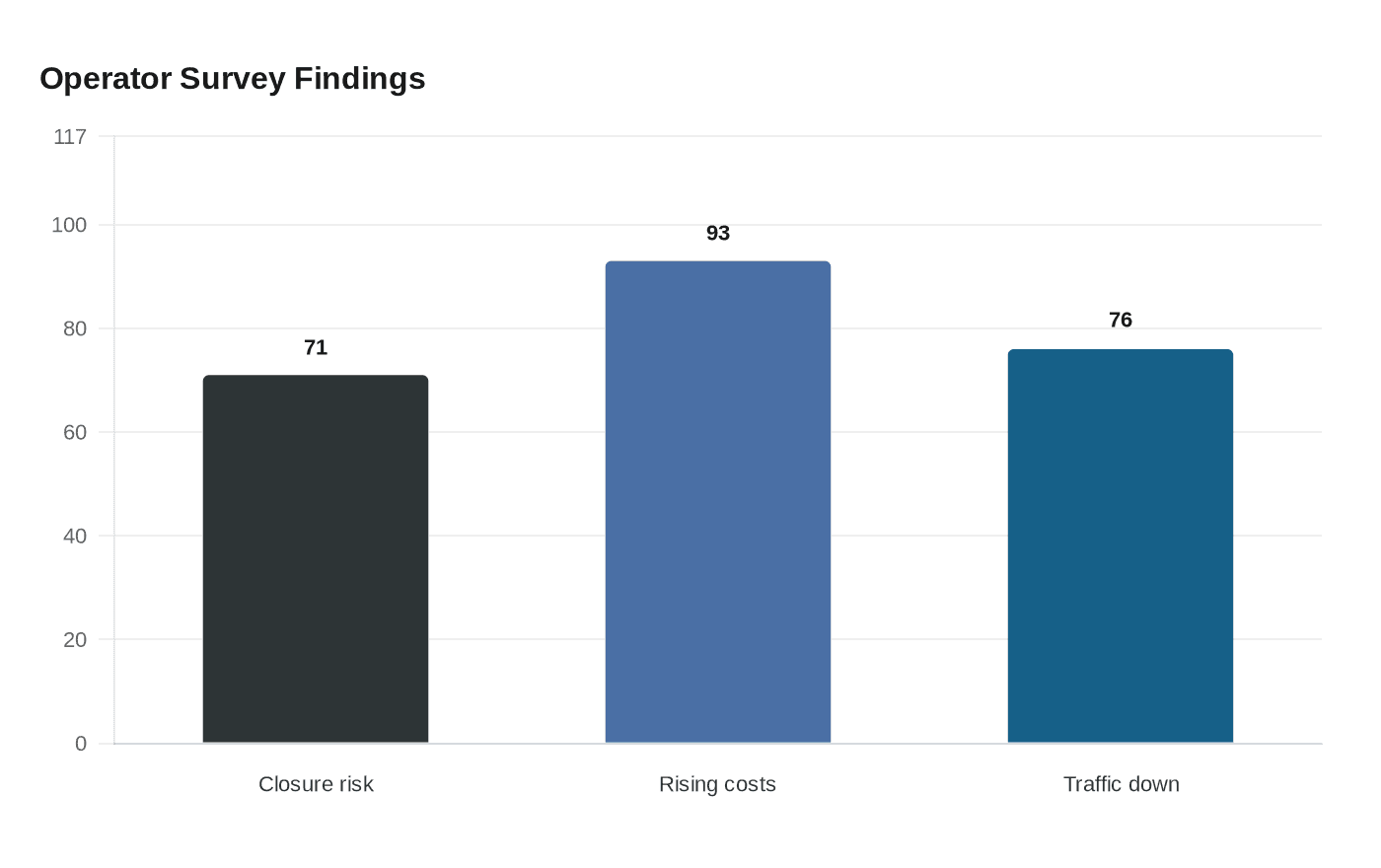
Its case rested on numbers that looked a lot less upbeat than Sysco’s. Technomic’s preliminary 2025 data showed independent locations fell 2.3 percent while chain restaurant locations rose 1.4 percent. Nation’s Restaurant News reported that more than 9,500 independent restaurants closed in 2025. In the coalition’s own survey, 71 percent of operators said they were at serious risk of closure, 93 percent cited rising food and supply costs, and 76 percent said traffic was declining. That is the language of cash squeeze, not growth.
The danger for workers is that distributor volume can hide how fragile a restaurant really is. A place can still be ordering product while falling behind on rent, carrying pandemic debt or stretching vendor terms. When the pressure lands, it usually shows up first in the hours board, on payroll, in frozen hiring, slower raises and fewer overtime shifts. A busy dining room does not mean the books are safe.
The broader industry backdrop is already rough. A 2025 James Beard Foundation report created with Deloitte and based on research from more than 350 restaurant owners and professionals said 2024 brought rising labor costs, economic headwinds and extreme weather, all of which hit independents harder because they do not have the margins chains enjoy. The National Restaurant Association’s 2025 outlook also described an unpredictable operating environment shaped by inflation, value-seeking customers and higher costs.
The antitrust fight is not new either. In 2015, the Federal Trade Commission blocked Sysco’s attempted acquisition of U.S. Foods, and this deal is already drawing comparisons. The question now is whether regulators will treat Restaurant Depot as just another distributor asset or as the outside option that keeps small restaurants from getting squeezed even harder.
This article was produced by Prism’s automated news system from verified source data, official records, and press releases, then run through automated quality and moderation checks before publishing. The system is built and supervised by the people who set the standards it runs under. Read our full AI policy.
Know something we missed? Have a correction or additional information?
Submit a Tip