Slowing economy, weaker diners put pressure on restaurants
Wealthier diners are still spending, but weaker traffic from everyone else is forcing restaurants to lean on promotions, trim hours and protect labor costs.
The restaurant floor is starting to split in plain sight. Premium dining rooms, bar programs and special-occasion spots can still post solid checks, but the everyday traffic that keeps sections full, prep lists moving and payroll covered is getting thinner.
The latest federal numbers show why operators are uneasy. The Bureau of Economic Analysis said real GDP rose at an annual rate of 1.6 percent in the first quarter of 2026, a softer pace than many expected. The same agency said personal saving fell to $611.7 billion in April and the personal saving rate dropped to 2.6 percent, down from 3.2 percent in March, 3.6 percent in February and 4.3 percent in January. April’s rise in current-dollar personal consumption expenditures came from higher spending on both services and goods, but the broader picture still points to households with less cushion.
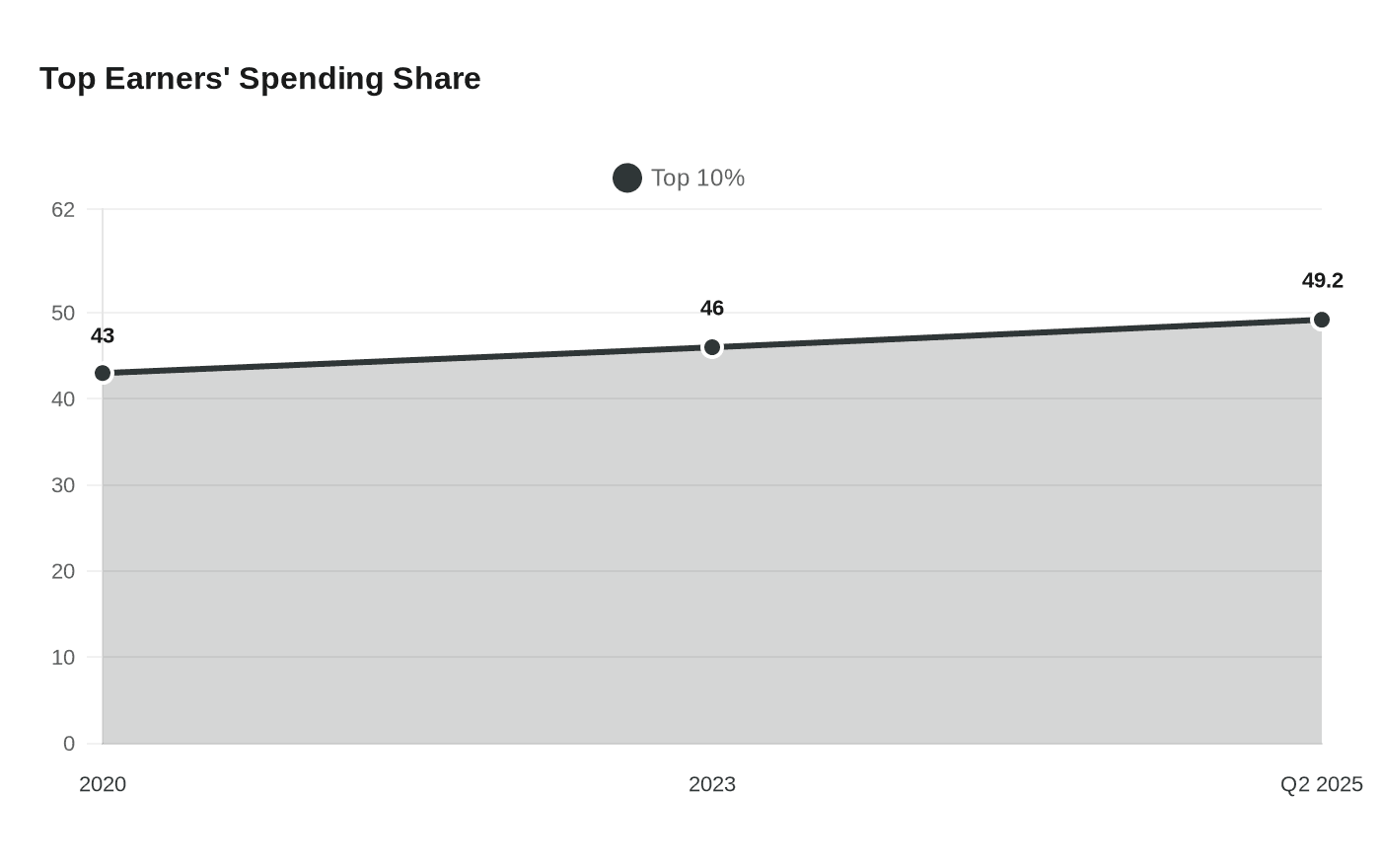
That strain matters most in restaurants because the industry depends on repeat visits from middle- and lower-income diners, not just the occasional splurge from wealthier guests. Moody’s Analytics data cited in a 2025 report put the top 10 percent of earners at 49.2 percent of consumer spending in the second quarter of 2025, up from about 46 percent in 2023 and roughly 43 percent in 2020. In other words, almost half of all consumer spending is now concentrated in one slice of the income ladder, a dangerous setup for restaurants that rely on broad, steady traffic to fill the dining room.
The National Restaurant Association said the industry is still headed for measured growth, projecting $1.55 trillion in total restaurant and foodservice sales in 2026 and more than 100,000 new jobs. It also said 61 percent of adults consider dining out essential to their lifestyles. But the sales gains are not flowing evenly. April marked the third straight monthly increase in restaurant sales, yet Black Box Intelligence reported that April sales rose 1.5 percent while traffic fell 2.3 percent, a sign that higher check averages and trade-down behavior are masking fewer bodies in seats.
For workers, that split shows up fast. Servers and bartenders can feel it in lighter sections and slower weeknights. Hosts see cover counts swing harder from day to day. Cooks feel it when management pushes value menus, limited-time deals and leaner menu boards to chase traffic, then uses those same promotions to justify tighter labor. The result is more uneven schedules, more pressure to do more with fewer hours and more dependence on affluent guests to keep the whole operation afloat.
This article was produced by Prism’s automated news system from verified source data, official records, and press releases, then run through automated quality and moderation checks before publishing. The system is built and supervised by the people who set the standards it runs under. Read our full AI policy.
Know something we missed? Have a correction or additional information?
Submit a Tip