Restaurant tech doubles down on AI, but practical tools matter most
Restaurants are again being flooded with AI pitches, but the tools that matter are the ones that trim steps on the floor, sharpen schedules, and prevent missed sales.
AI is back, but the floor test is simpler than the demo
The newest wave of restaurant tech is once again dressed up as artificial intelligence, but the real question for anyone running a shift is blunt: does it save time, cut mistakes, or make service less chaotic? Restaurant Business’s May 29 Tech Tracker says vendors are laser-focused on AI, from marketing agents to smart handhelds, and that shift matters because the best tools are the ones you can feel in the middle of a rush.
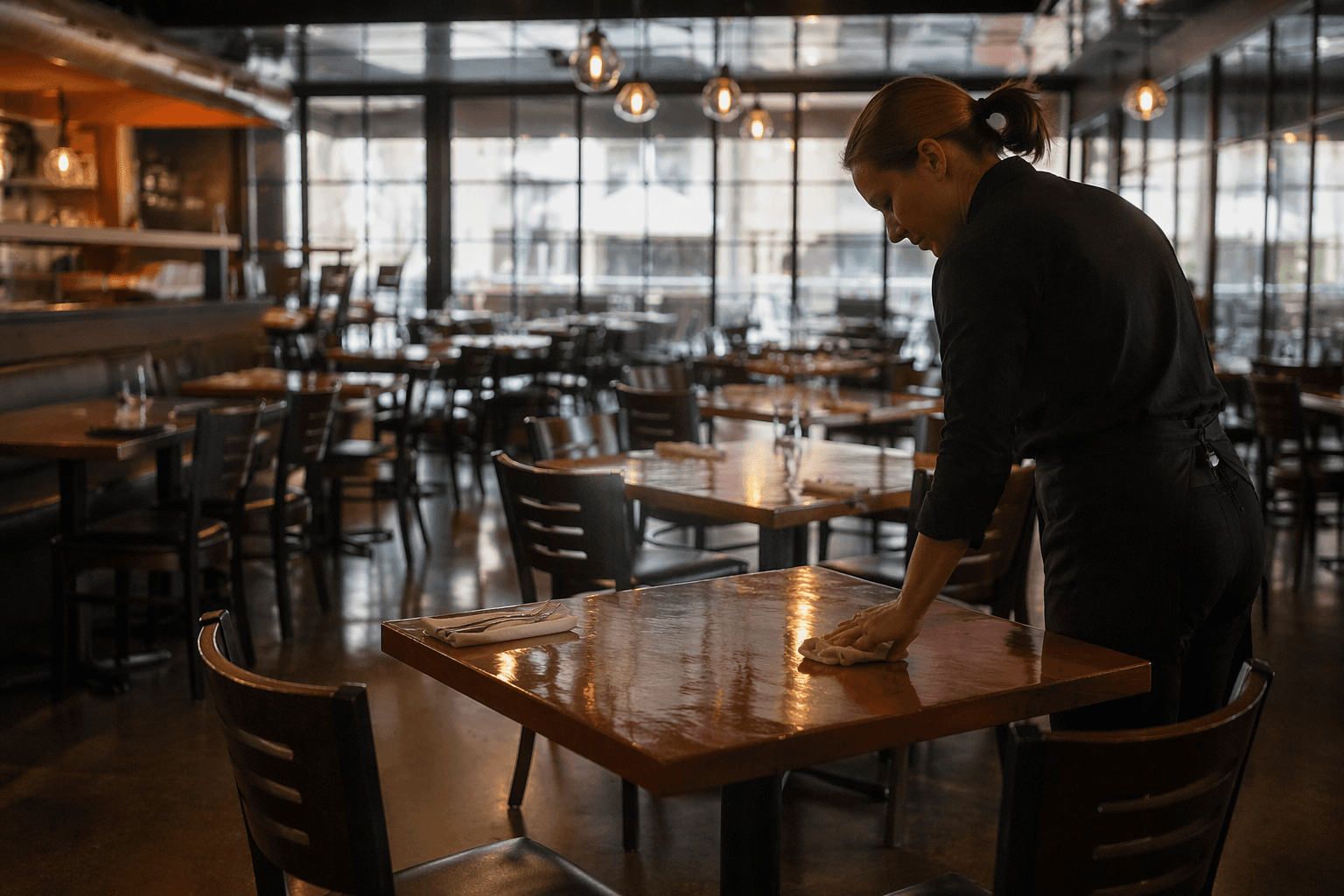
For servers, that might mean fewer trips back to the POS station. For managers, it could mean better labor forecasts, faster scheduling, or an early warning that a product is running short before it turns into a ticket-time problem. The restaurant industry does not need more tech that looks impressive in a sales demo and disappears when the dining room fills up. It needs tools that make a shift smoother this month, not someday.
Where the practical AI lives
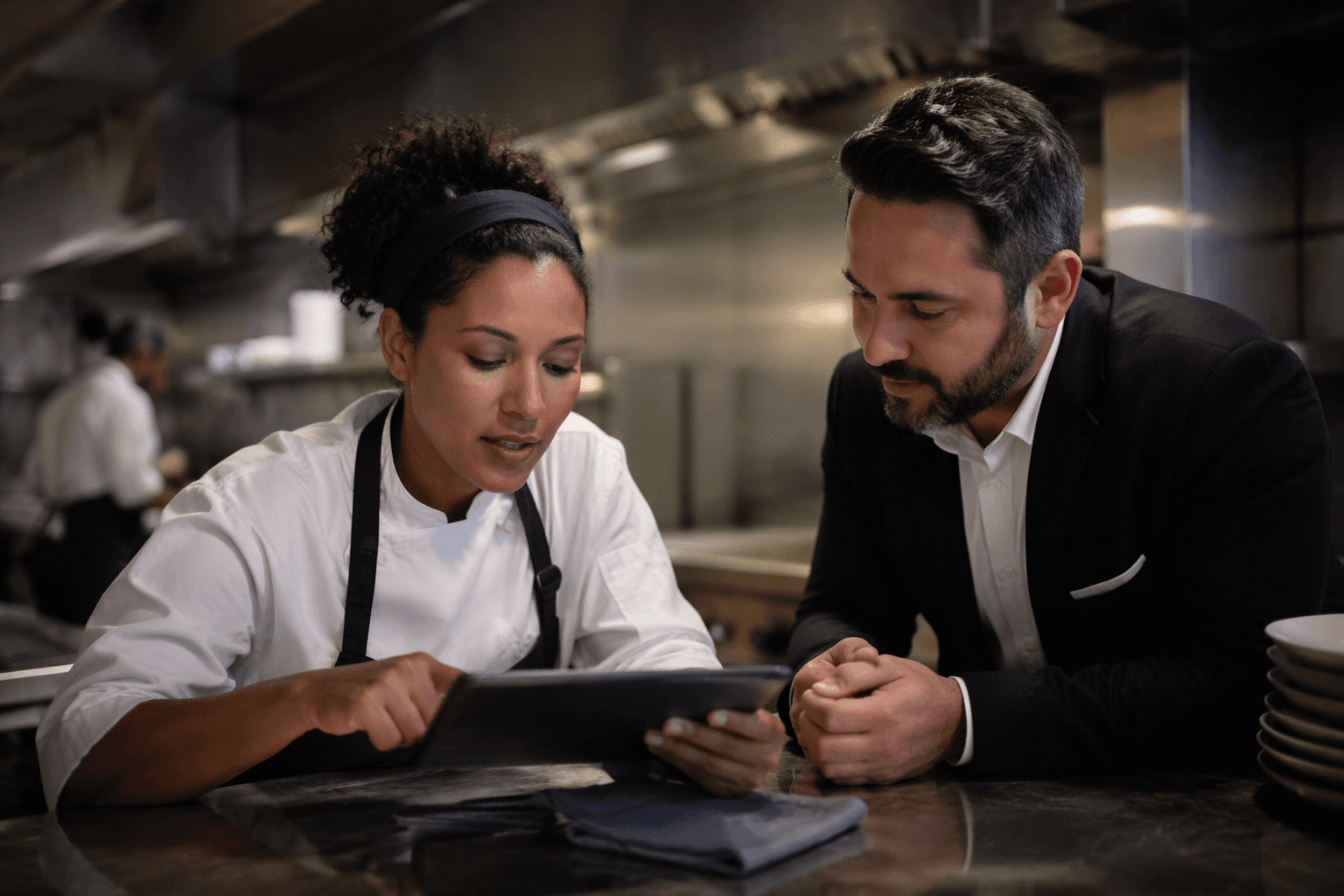
The strongest restaurant AI tools are not the ones trying to replace hospitality. They are the ones aimed at repetitive, countable work that burns time and attention. Smart handhelds can shorten the gap between the table and the system, which matters when a server is already juggling drink refills, modifications, and guest questions. AI marketing tools can help operators draft and schedule local promotions faster, which is useful for the kind of neighborhood push that often lands between lunch and dinner service.
AI-driven management software may have the biggest back-of-house impact. If it helps a manager forecast labor more accurately, match staffing to demand, or spot inventory gaps before the line gets hit, that is not just an office efficiency win. It changes how the whole shift feels for cooks, hosts, bartenders, and closing crews who are already balancing speed, burnout, and thin margins.
The bigger pattern is that AI is showing up first where the work is repetitive and measurable. It can help with drive-thru flow, menu development, marketing, and back-of-house tasks, but it still struggles in the parts of restaurant work that depend on human judgment, like handling a table that is unhappy, deciding when to comp an order, or reading the room during a slammed dinner rush. That is why the useful tools are the ones that remove friction without flattening the human side of service.
The industry is already using it, but not evenly
This is not a future trend anymore. Restaurant Business reported in March 2026 that AI was already part of operations at chains including Krispy Kreme, Freddy’s, Taco John’s, and Nekter. In another March report, the outlet said a majority of limited-service chains were already using AI or planning to soon, even though many had not yet seen major return on investment.
The National Restaurant Association’s 2026 State of the Restaurant Industry report puts a number on that shift: 26% of operators said they were already using AI-related tools. Marketing was the top use case, which tracks with what operators usually try first. It is easier to let software help write a promo, schedule a post, or target a local offer than it is to let it decide how a shift runs.
Deloitte’s State of AI in Restaurants survey also shows how broad the interest has become. The survey covered 375 restaurant leaders across 11 countries, and more than half of the respondents came from quick service restaurants. That mix matters because quick service brands tend to feel the pressure of speed, labor efficiency, and consistency first, which is exactly why vendors are pushing AI hardest into that segment.
Starbucks is the clearest warning about hype
If the industry needs a reality check, Starbucks provides it. The company announced Green Dot Assist in June 2025 as a generative-AI virtual assistant for baristas, designed to give partners instant answers on in-store iPads. In July 2025, Starbucks also began rolling out Green Apron Service after an eight-week pilot in 1,500 stores, tying the model to training, labor-hour allocation, and peak-time deployment.
That is what practical rollout looks like when a chain is trying to match technology to the work instead of layering software on top of it. But Starbucks also showed how quickly a promising system can fail the floor test. Reuters reported in May 2026 that Starbucks ended its automated inventory-counting tool after about nine months, and the company moved back to a single, consistent manual counting process to improve accuracy and product availability.
That rollback matters because it followed a deployment to more than 11,000 Starbucks locations across North America, according to NomadGo in September 2025. A system can be ambitious, widely deployed, and still not hold up in the real rhythm of a store. If employees do not trust the count, if accuracy slips, or if product availability suffers, the technology adds another layer of work instead of removing one.
What workers should care about on a live shift
For frontline employees, the measure of AI is not whether it sounds intelligent. It is whether it changes the pace of the shift in a useful way. A better handheld can mean fewer wasted steps. Better forecasting can mean fewer surprise cuts or overstaffed dead periods. Smarter inventory tracking can keep a bartender from learning at 7:15 p.m. that the backup bottle is missing.
- fewer trips between the floor and the POS
- less time spent rewriting routine promotions
- better labor planning during peak hours
- faster identification of shortages before they hit the pass
- less closing busywork that drags managers and hourly staff past the end of service
The practical payoff is usually tied to a few very specific problems:
That is also why workers tend to judge restaurant tech so quickly. If it does not make orders more accurate, tables turn faster, inventory take less time, or side work easier, it is just another screen to manage. The best AI tools are the ones that reduce friction without creating a second job for the staff already doing the first one.
Why the push is happening now
The timing is not accidental. Restaurants are under pressure from labor costs, margin pressure, staffing difficulties, and customer demand for speed and convenience. Those forces make operators more open to tools that promise to do more with less, especially when hiring is tight and turnover stays high.
That explains the rush into AI, but it also explains the skepticism. Restaurant tech has a long history of overpromising and underdelivering, especially when it is sold as a transformation instead of a fix for one annoying part of the shift. The tools that last will be the ones that actually fit restaurant tempo, reduce repetitive work, and help managers and crews get through service with fewer breakdowns.
The AI wave is real. The winners will be the systems that prove their value on a Friday night, not just in a vendor deck.
This article was produced by Prism’s automated news system from verified source data, official records, and press releases, then run through automated quality and moderation checks before publishing. The system is built and supervised by the people who set the standards it runs under. Read our full AI policy.
Know something we missed? Have a correction or additional information?
Submit a Tip