Domino's AI-Powered Pizza Tracker Promises Sharper ETAs, Smarter Kitchen Pacing
Domino's retooled its Pizza Tracker with AI that reads oven time and driver dispatch in real time; kitchen crews could gain smoother pacing or face new speed-of-service scrutiny.
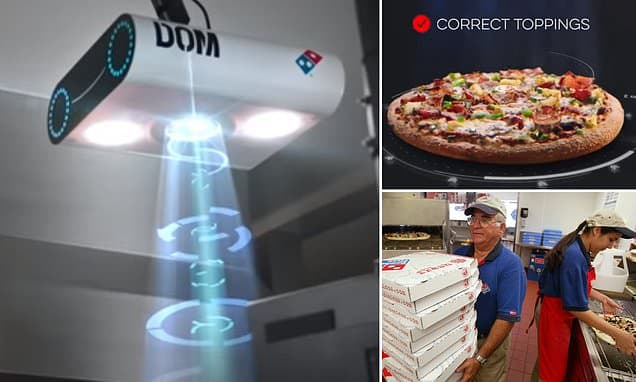
Domino's upgraded its Pizza Tracker last week with machine-learning models that pull real-time data from store employees, including oven timestamps and driver dispatch signals, to generate sharper delivery and pickup ETAs than the chain has previously offered.
The update, announced March 24-25, runs through Domino's DomOS operating system and is part of the chain's "Hungry for MORE" brand and technology refresh. Rather than logging static order milestones, the new system blends frontline inputs with predictive algorithms to narrow ETA windows and push granular status updates to customers, down to the precise moment an order enters the oven and when a driver leaves the store. Live Activities support for iOS lock screens is included in the rollout.
Domino's cited more than 2.5 billion orders tracked since the Tracker launched in 2008 as evidence the platform carries enough data depth to support sharper prediction. Executives pointed to two operational payoffs: better kitchen workflow pacing and fewer inbound customer calls asking about order timing.
For kitchen staff, that second point has real value. Inquiry calls during rush windows pull focus from prep and service, and if the AI model absorbs that friction, line cooks and make-line workers could see measurably calmer peak periods. More reliable ETAs also help pace output: a crew working toward a firm window can sequence prep deliberately rather than react to a vague estimate.
But the same data pipeline that improves pacing can be repurposed as a performance yardstick. When AI-generated timings become the baseline, managers face pressure to treat deviations as crew failures rather than model errors. Delivery drivers are particularly exposed: the updated Tracker logs dispatch time explicitly, making it straightforward to measure door-to-door speed and flag outliers.
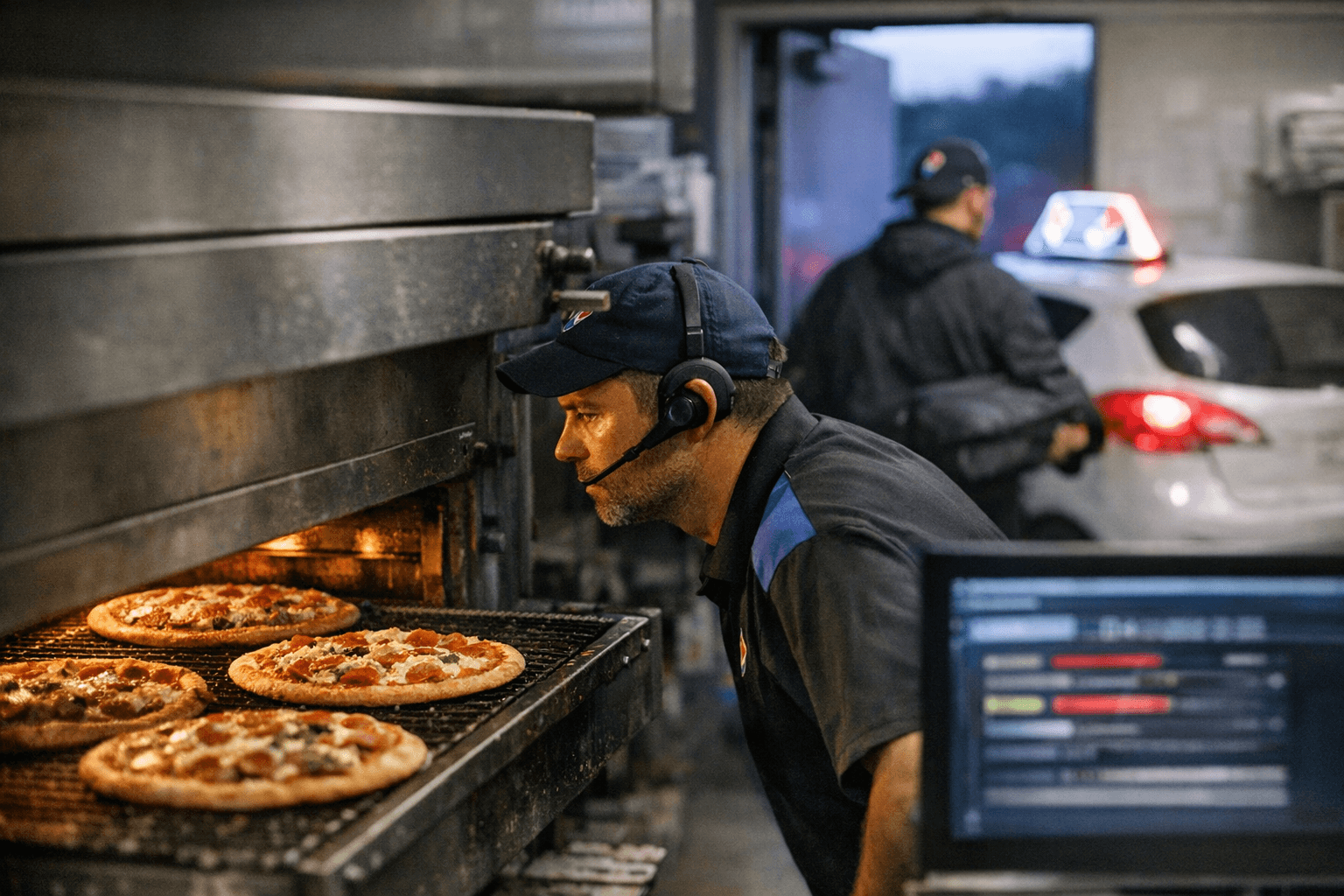
Domino's has spent years using technology to increase throughput and grow its digital order share, and DomOS was built to centralize those operational controls. Embedding machine learning into order-flow data is a logical extension of that strategy, but it also means the Tracker now functions simultaneously as a customer communication tool and a store-level performance record.
For managers, the immediate opportunity is in prep scheduling: if the model accurately reflects kitchen load, prep windows can be redesigned around its outputs rather than intuition. The risk is over-relying on predictions that falter during high-volume surges or short-staffed shifts, then holding crews accountable for gaps the model created.
The more pressing question for store teams: how Tracker timing data will factor into performance reviews, and whether scheduling decisions get tied to the system's workload predictions. Those benchmarks tend to get set before workers know they exist.
This article was produced by Prism’s automated news system from verified source data, official records, and press releases, then run through automated quality and moderation checks before publishing. The system is built and supervised by the people who set the standards it runs under. Read our full AI policy.
Did this article answer your question?