DoorDash Expands SNAP Grocery Delivery, Backs NYC Outdoor Dining Bill
DoorDash added SNAP/EBT payments at nearly 7,000 Family Dollar stores and backed NYC's year-round outdoor dining bill, moves that will reshape courier routing and restaurant staffing.

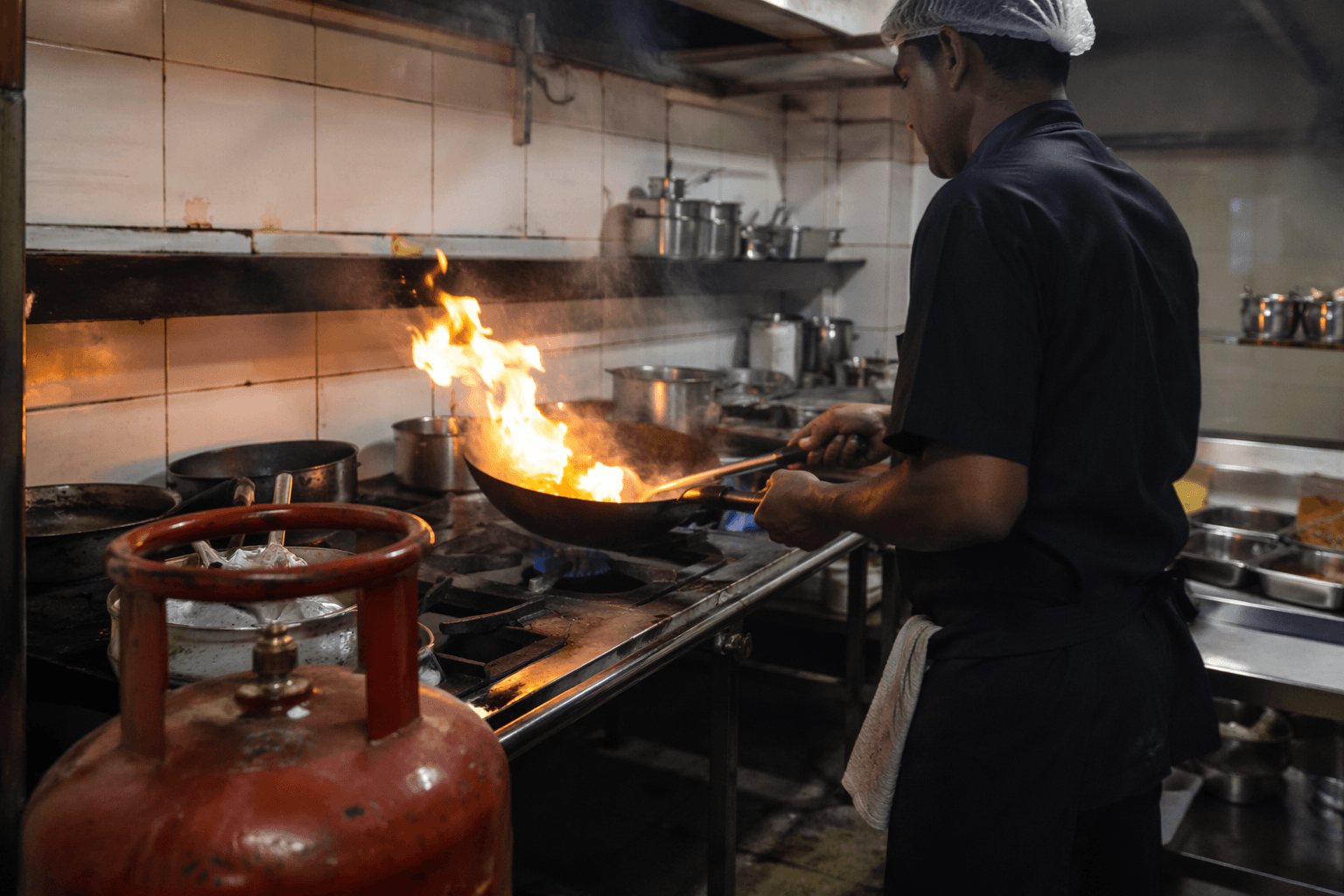
Close to 7,000 Family Dollar stores began accepting SNAP/EBT payments through DoorDash on March 31, a grocery expansion that the platform rolled out across 48 states and Washington, D.C. The same day, DoorDash publicly backed New York City's Intro. 0655, a bill that would make outdoor dining permanent and strip away the annual permitting cycle that forces restaurants to tear down sidewalk structures each fall.
The grocery move is the one that will hit margins before the outdoor dining bill touches a floor vote. SNAP users on DoorDash are twice as likely to live in food deserts than non-SNAP customers, according to DoorDash's own research, a data point that Mike Goldblatt, the company's VP of Enterprise Partnerships, cited in the announcement. What the statistic also reveals: these are high-need, low-proximity households where delivery is often the only viable option, and that demand now competes for the same courier pool as restaurant pickups during peak windows.
The economics shift accordingly. A driver who once prioritized restaurant runs during the dinner rush may find the dispatch algorithm routing her toward a Family Dollar order instead, depending on which merchant category the platform is weighting. Restaurant operators who depend on DoorDash couriers during peak hours should be watching order fulfillment windows and pickup congestion now, not after the volume settles into a new baseline.
Intro. 0655 has a longer runway but a larger labor footprint. If the bill clears the City Council, New York restaurants that treated outdoor dining as a six-month revenue supplement would need to staff it as a year-round operation: consistent scheduling for hosts, servers, and bussers through January and February, not just May through October. Back-of-house workers whose hours track with covers will feel this directly; whether it translates to more shifts or just more complexity depends on whether winter foot traffic actually materializes.
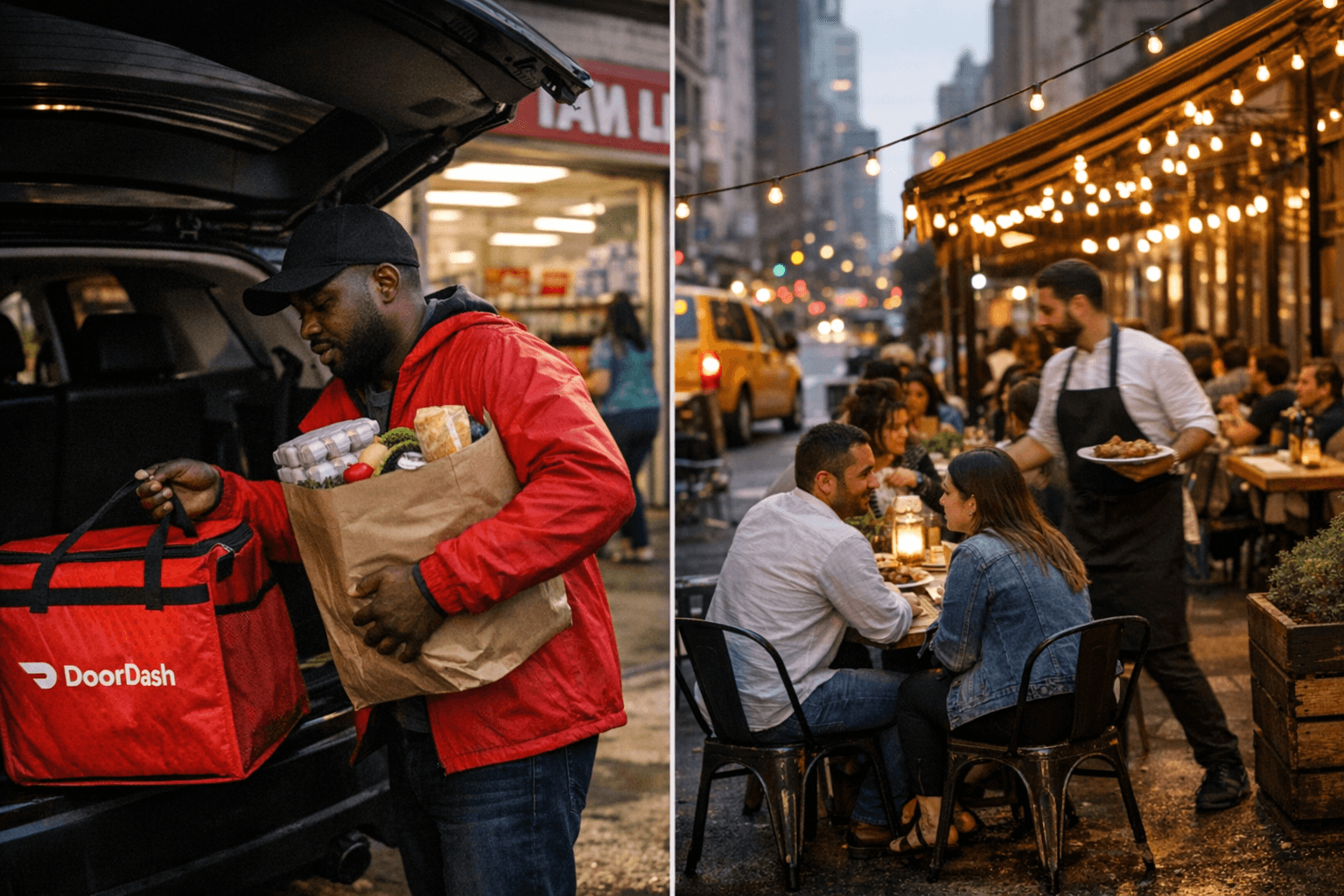
The costs that don't appear in DoorDash's advocacy framing are the ones operators absorb: heated enclosures, ice mitigation on walkways, extended lighting setups, liability for weather-related incidents. None of that shows up in the language about cutting red tape. Tip pools and automatic gratuities in outdoor sections will also need written policies as floor plans expand, and workers who aren't clear on how their tips are calculated across a larger section should be asking management for documentation before the seating charts change.
DoorDash built its valuation on restaurant delivery. Its newest moves, grocery SNAP expansion and outdoor dining advocacy, are both bets on growing platform volume. The labor implications land somewhere else entirely.
This article was produced by Prism’s automated news system from verified source data, official records, and press releases, then run through automated quality and moderation checks before publishing. The system is built and supervised by the people who set the standards it runs under. Read our full AI policy.
Did this article answer your question?