EEOC urges appeals court to revive teen harassment case against restaurant
The EEOC wants the Eleventh Circuit to revive a teen hostess’s harassment case, a move that could sharpen what restaurants must treat as a hostile workplace.
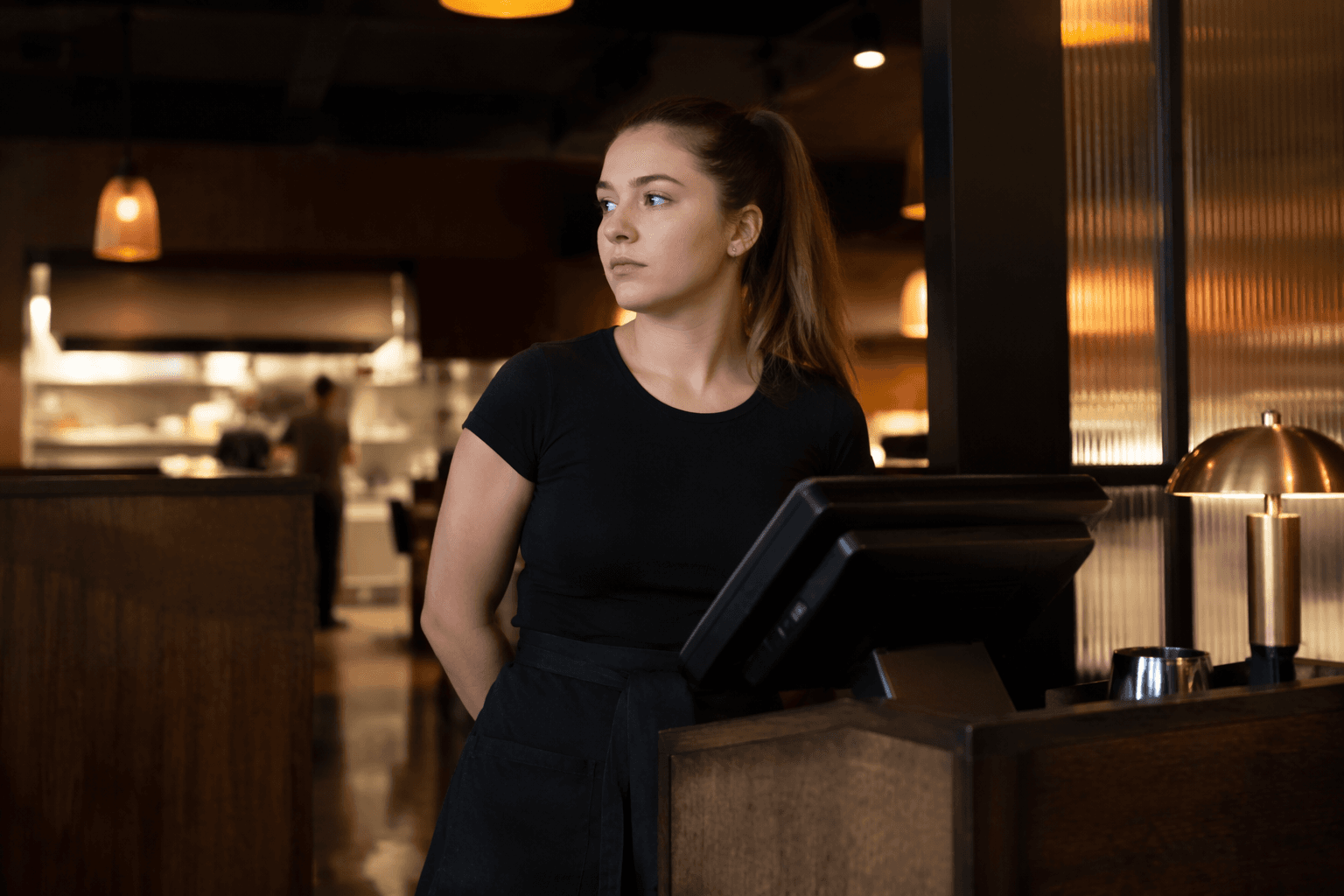
A federal appeals court fight over a teenage hostess’s claims could reset how restaurants judge harassment complaints, especially in dining rooms and kitchens where young workers often sit low on the power ladder. The Equal Employment Opportunity Commission asked the U.S. Court of Appeals for the Eleventh Circuit to reverse a lower-court ruling in Kelley v. La Scala Mediterranean Bistro, a case that could shape how hostile-work-environment claims are weighed across the industry.
The case involves Lauren Kelley, who the EEOC says was hired by La Scala Mediterranean Bistro in Rome, Georgia, in the fall of 2020 when she was 16. She worked as a hostess and server and reported to then-general manager Daniel Carpenter and executive chef and kitchen manager Logan Littlejohn. The restaurant is owned by Anthony Barba. The appeal is docketed as No. 26-10051, and the district court case came out of the Northern District of Georgia under No. 4:23-cv-00182-WMR.
The legal question is bigger than whether bad conduct happened. The EEOC is pressing the Eleventh Circuit to say the district court misstated and misapplied the severe-or-pervasive standard used to decide when harassment becomes legally actionable. Under EEOC harassment guidance, conduct is unlawful when it is severe or pervasive enough to create a work environment a reasonable person would find intimidating, hostile or abusive. The agency’s youth-harassment materials add that a single incident usually is not enough unless it is especially serious, such as a physical assault.
For restaurant workers, that standard matters because abusive treatment is often brushed off as part of the job, especially for hosts, servers and teen hires who take orders from managers, chefs and older staff. A ruling that tightens the lens on repeated conduct, humiliation or ignored complaints could make it harder for employers to dismiss patterns that have long been normalized in service culture.
The EEOC has made young restaurant workers a recurring focus. At a 2022 listening session, Vice Chair Jocelyn Samuels said the agency was determined to reach teenagers and other young workers in restaurants who may not know their rights and are especially exposed to harassment and discrimination. A 2023 legal summary said more harassment charges are filed in restaurants than in any other industry, and that the agency has pursued cases involving workers as young as 14.
The agency has also kept pressure on employers through settlements. In November 2025, it announced a $1.2 million deal with Nevada Restaurant Services over alleged verbal and physical sexual harassment dating back to at least 2018. In April 2024, it announced a $60,000 settlement with Amerigo Italian Restaurant owner companies over hostile work environment and retaliation claims. EEOC mediation is confidential and voluntary, but if it fails, a charge moves into investigation.
This article was produced by Prism’s automated news system from verified source data, official records, and press releases, then run through automated quality and moderation checks before publishing. The system is built and supervised by the people who set the standards it runs under. Read our full AI policy.
Know something we missed? Have a correction or additional information?
Submit a Tip