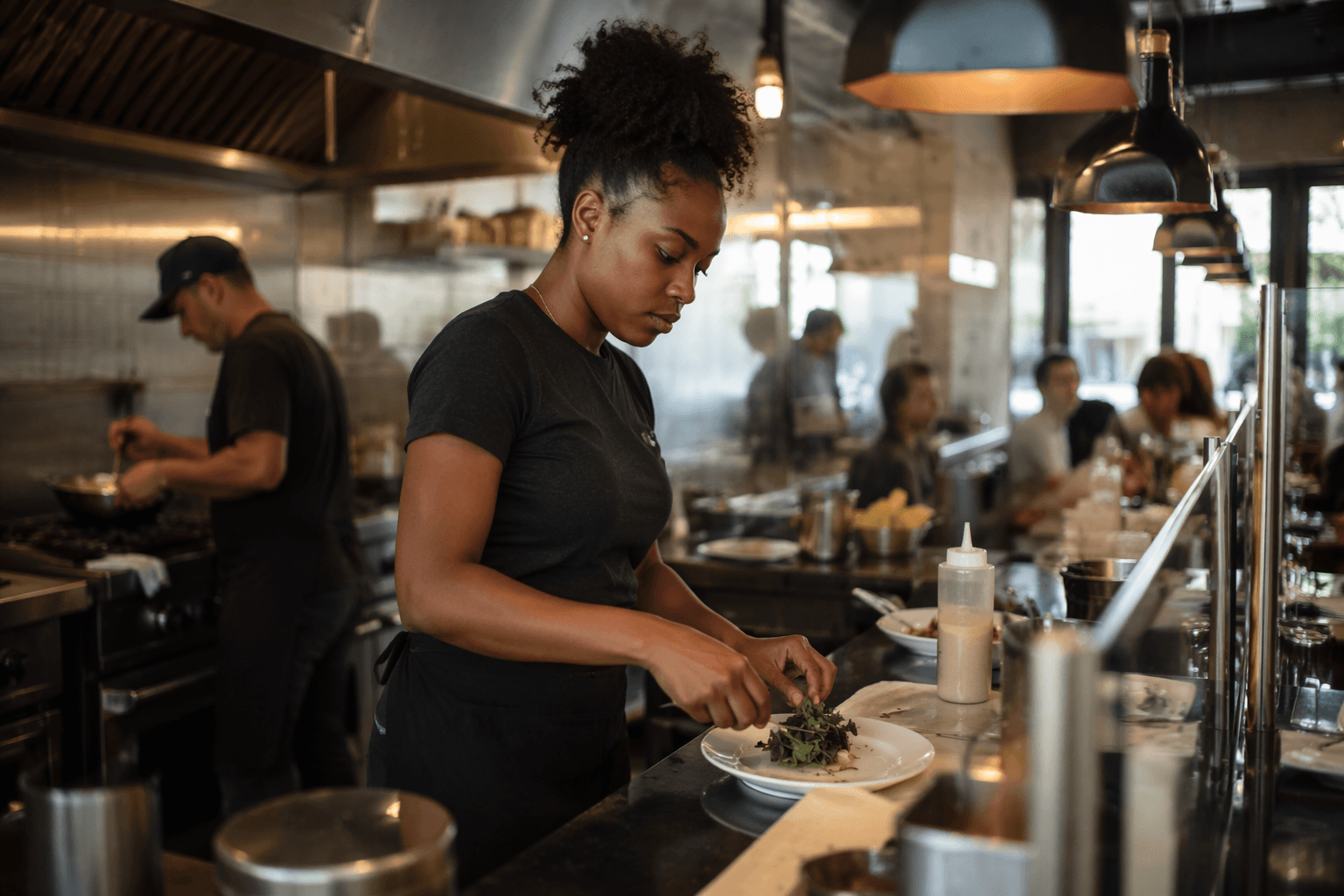
First Watch and Qdoba rethink training to keep young workers engaged
First Watch and Qdoba are breaking onboarding into smaller lessons to speed up new hires and cut early quits. The industry says better training now functions as a retention tool.
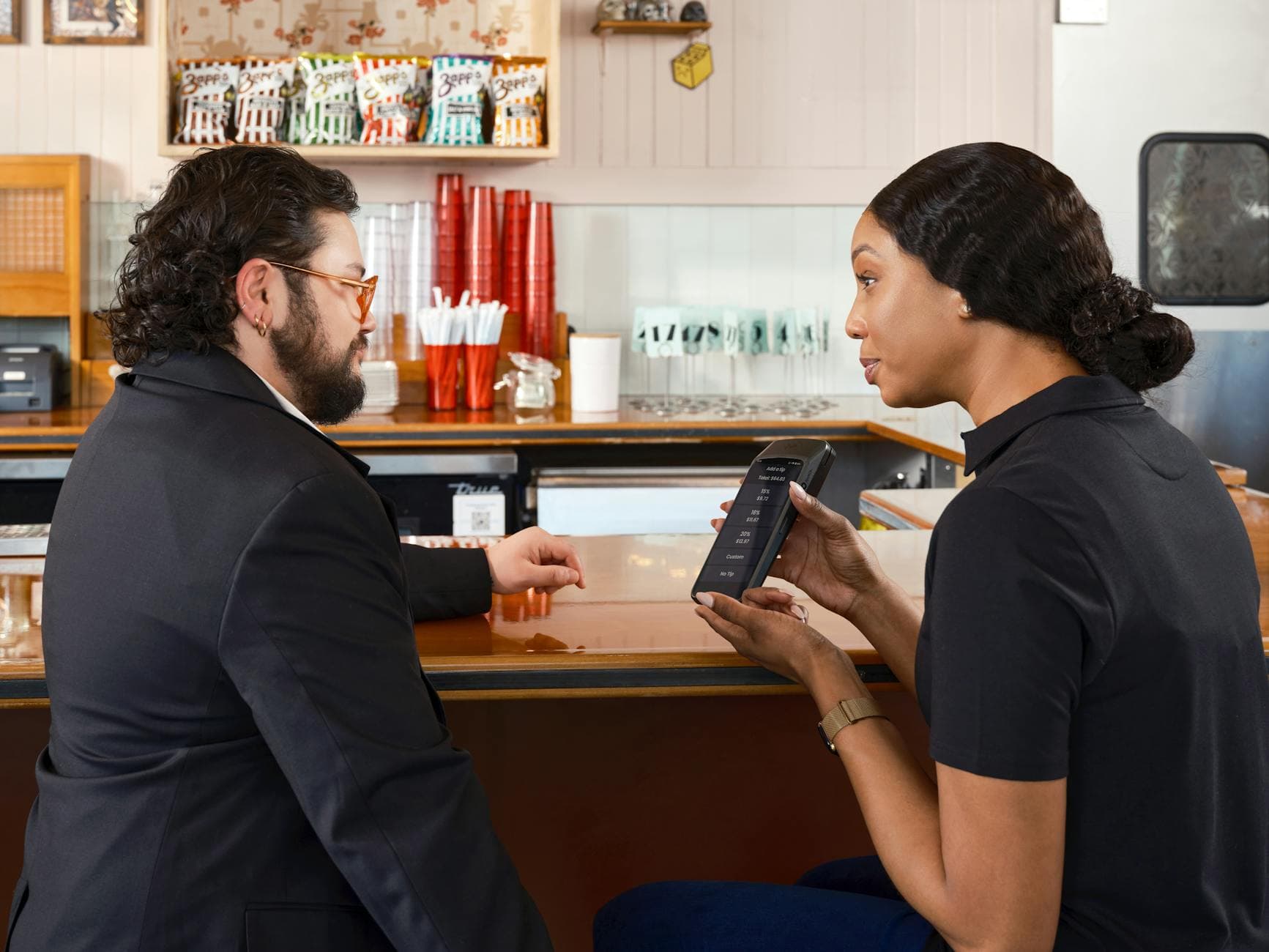
Restaurant operators are shrinking onboarding into bite-size lessons because long, static training blocks are not sticking on the floor. The payoff they are chasing is practical: faster time-to-productivity, fewer mistakes on station, and less early turnover.
That was the core of a panel at the National Restaurant Association Show titled “Training in the TikTok Era: Micro-Learning and New Expectations for Workforce Success.” Scheduled for Saturday, May 16, 2026, from 2:00 PM to 2:45 PM in room S503, the session focused on how First Watch and Qdoba are reworking training to match the way younger workers absorb information and move through a shift.
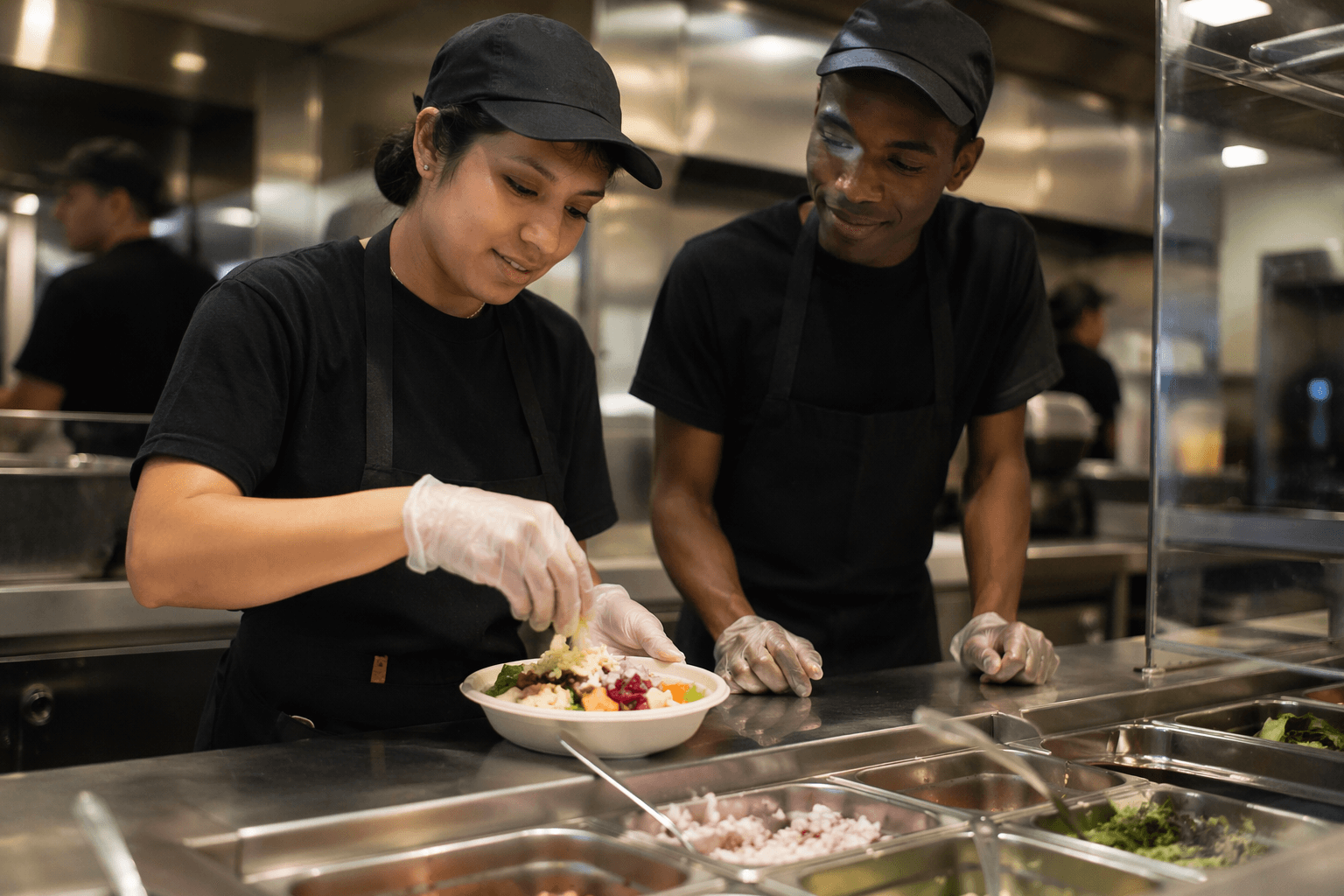
The panel description said the challenge was not just Gen Z, but “soon Gen Alpha” expectations for training. It pointed to gamified daily “one thing” learning and QR code-driven tools as examples of how operators can make instruction easier to revisit in the middle of service, not just during a classroom-style orientation. For restaurant managers, that means breaking tasks into smaller pieces tied directly to station responsibilities, guest interaction, and shift routines.
The push matters because the industry is still wrestling with retention. National Restaurant Association research has said structured onboarding, employee-engagement initiatives, and leadership training are among the key strategies for workplace stability. In a business where many new hires are deciding whether a restaurant job is temporary or a path to a better role, the training experience itself can shape whether they stay long enough to become a reliable line cook, server, bartender, or shift lead.
Qdoba already has been moving in that direction. The chain has said it uses videos, an operations manual, job aids, and hands-on training for allergen and food-safety instruction. It also said stores use OpsAnalitica to document, track, reference, and correct food-safety checklist items, and that every location completes three food-safety assessments a year through an independent third party. Taken together, that mix suggests a training system built for repetition, reinforcement, and accountability, not a one-time orientation.
The larger setting underscored how much operators care about the issue. The National Restaurant Association Show ran May 16-19, 2026, at McCormick Place in Chicago, and Restaurant Business said it was the 105th year of the event, drawing more than 53,000 foodservice professionals from 100 countries and more than 2,000 vendors. In a room full of operators looking for labor fixes, the message was clear: better training is no longer a side task. It is part of keeping stores staffed, shifts running, and new workers from walking out after orientation.
Know something we missed? Have a correction or additional information?
Submit a Tip