Restaurants face labor math shift as culture becomes a retention tool
Culture is becoming a retention tool because restaurants are chasing workers who can choose easier, steadier jobs. The winning fixes are measurable: schedules, training, staffing, and manager habits.

Culture is no longer a soft perk in restaurants. It is part of the labor math, because workers can leave for jobs that offer steadier hours, less physical strain, and more control over their lives.
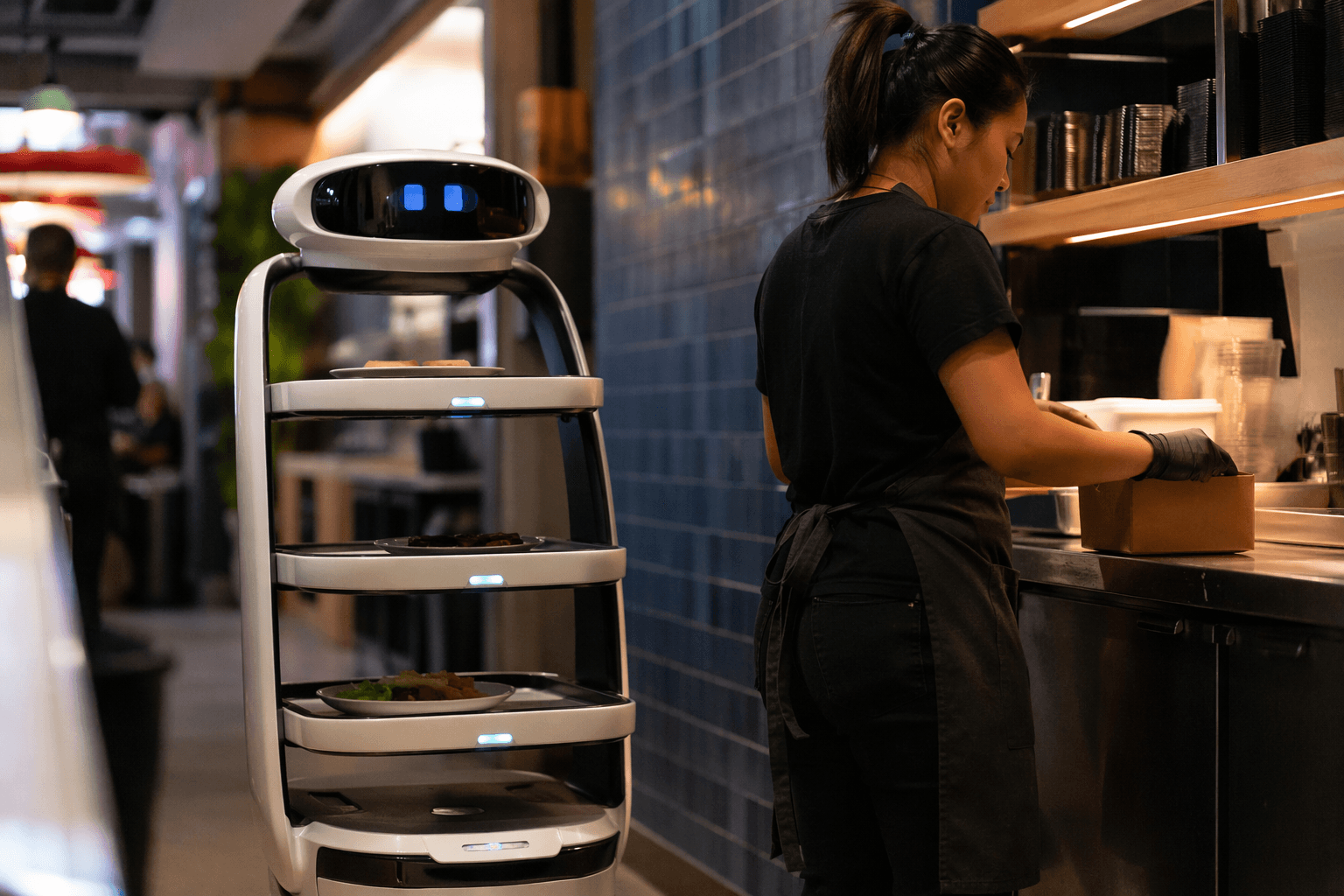
That pressure is getting worse as the industry faces a workforce pinch tied to population decline, immigration policy, and a more flexible gig economy. Restaurants are not only competing with the place down the street anymore. They are competing with any schedule that feels more predictable and any job that feels less punishing by the end of a double.
Why employee experience now affects the bottom line
The clearest lesson from the current labor market is that turnover is not just an HR headache. High turnover hits sales and operational metrics, which means the cost shows up in the dining room, on the line, and in the manager’s schedule before it shows up in a spreadsheet.
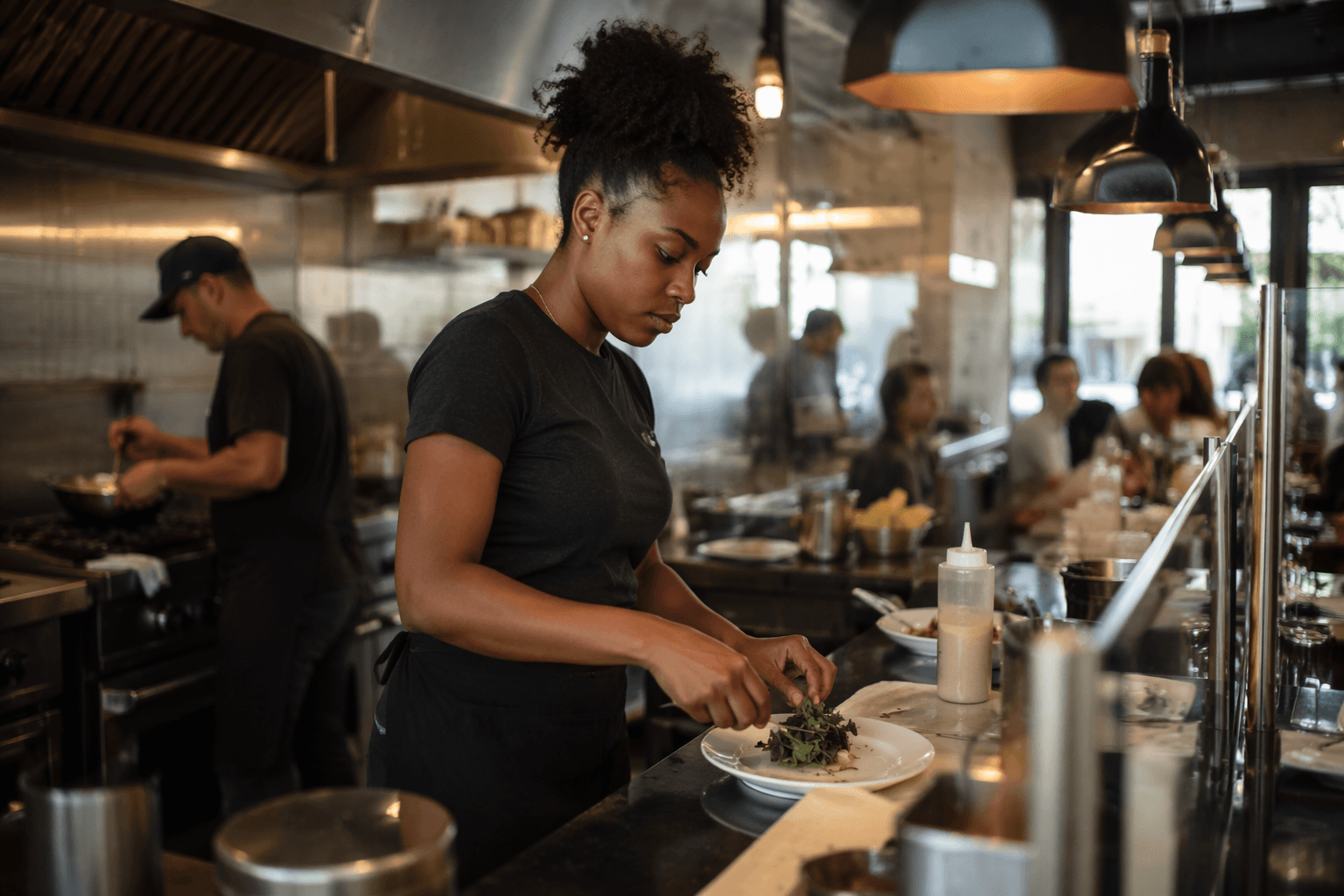
For workers, that often looks like the same problems repeating themselves: emergency call-offs, empty stations, uneven training, and managers who cannot tell the difference between a slammed Friday night and a crew that is burning out. When a restaurant loses people too fast, everyone left behind absorbs the chaos, from servers covering sections to line cooks trying to keep tickets moving with fewer hands.
The most useful part of this shift is that it forces operators to stop talking about culture as a slogan and start treating it as a retention tool. If people stay because they feel known, respected, and set up to succeed, then culture is not abstract. It is labor strategy.
What actually changes shift life
The industry examples that matter most are the simple ones. Better employee experience usually does not begin with a grand rebrand or a glossy poster in the break room. It starts with more consistent schedules, clearer training, stronger shift communication, and managers who know their teams well enough to spot trouble before it turns into a resignation.
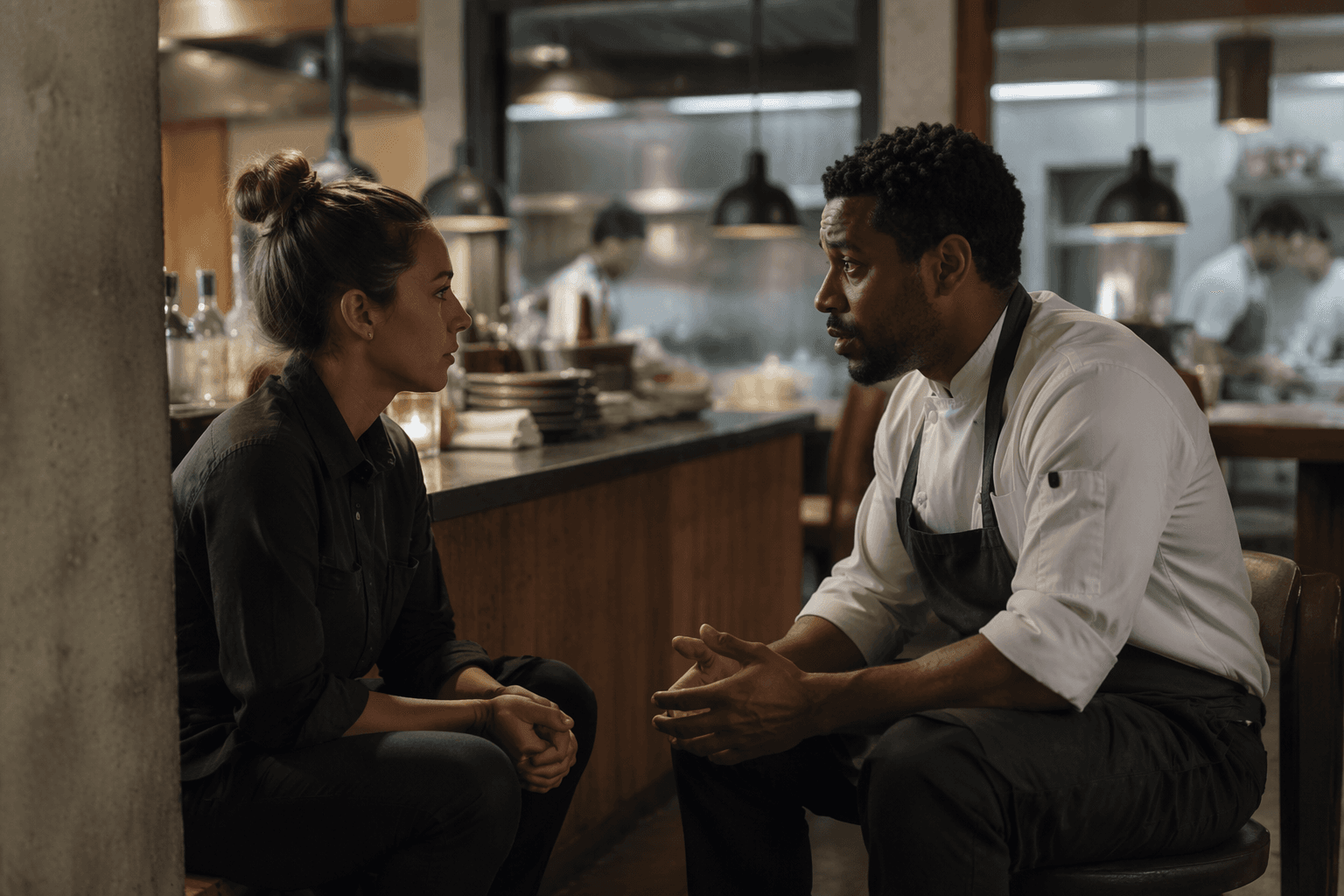
A story about a Florida crossing guard, Miss Pat, helps explain why. The point of that example is not the job title, but the human value of personal connection, recognition, and consistency. Restaurant workers notice the same thing when a manager remembers what matters, keeps promises, and gives credit where it is due.
For front-of-house staff, that can reduce the stress that comes with guest handling and tip fluctuations. A server or bartender can tolerate a rough service stretch more easily when the schedule is predictable, the support is steady, and the team is not constantly changing around them.
For line cooks and dish staff, the difference is just as real, even if it looks less visible to customers. Fewer surprise doubles, clearer prep expectations, and recognition for physically demanding work can make a shift feel survivable instead of exhausting. In a job where burnout is often treated like a personal weakness, simply being staffed and managed well can feel like a breakthrough.
The fixes that workers can actually see
If a restaurant says it is improving employee experience, the first question should be simple: what changed on the shift? Real fixes should be visible in daily operations, not just in recruiting language.
- Schedules posted earlier and changed less often.
- Training that gets people ready faster instead of dragging out for weeks with no clear finish line.
- Better handoffs between shifts, so staff are not guessing what happened before they arrived.
- Managers who coach, recognize, and intervene, instead of only showing up when something goes wrong.
- Staffing plans that reduce the number of shifts where every station feels one person short.
Look for these signs:
Those changes matter because restaurant work is already shaped by long hours, heavy physical demands, difficult guest interactions, and the pressure created by turnover. Audrey Benet, a hospitality educator quoted in the industry analysis, argues that leaders need to think harder about why people stay, not just why they quit. That is the right framing for workers too, because the answer usually has less to do with mission statements than with whether the job feels organized and humane.
What is measurable and what is just branding
The easiest way to separate real progress from employer branding is to ask for numbers. If a restaurant claims its culture is better, it should be able to show lower turnover, fewer emergency call-offs, smoother staffing, and stronger retention after onboarding.
Operators should also be tracking whether manager training is actually changing behavior on the floor. A better manager does not just sound nicer in a meeting. A better manager posts schedules on time, explains expectations clearly, handles conflict before it poisons a shift, and recognizes when the crew is approaching burnout.
Workers can tell the difference between a program and a performance. A program changes the rhythm of the week. A performance changes the wording of the handbook.
What this shift means for the industry
The bigger message is that restaurants are being pushed toward a more human-centered management style because the labor market has changed. Workers have more options, and many of those options offer more control over time, energy, and recovery.
That is why culture now matters as much as compensation packaging in some operations. Pay still matters, and so do the realities of tipping, front-of-house pressure, and the split between who carries the guest-facing emotional labor and who carries the physical grind. But pay alone will not fix a workplace where schedules are chaotic, training is thin, and managers treat turnover as normal.
The restaurants most likely to hold onto people are the ones that make work feel stable enough to plan around. In a tight labor market, that is no longer a nice extra. It is the difference between a crew that stays and a dining room that keeps starting over.
Know something we missed? Have a correction or additional information?
Submit a Tip