National Restaurant Association touts 20,000 career pathways for workers
The NRA says restaurants gave nearly half of adults their first job, but the real test is whether those entry-level roles lead to better pay and promotion.

The restaurant industry’s pitch is no longer just that it hires fast. It is that a first job can turn into a career, with the National Restaurant Association pointing to more than 20,000 career pathways across 70-plus professions and saying restaurants gave more people their first job than any other industry in America.
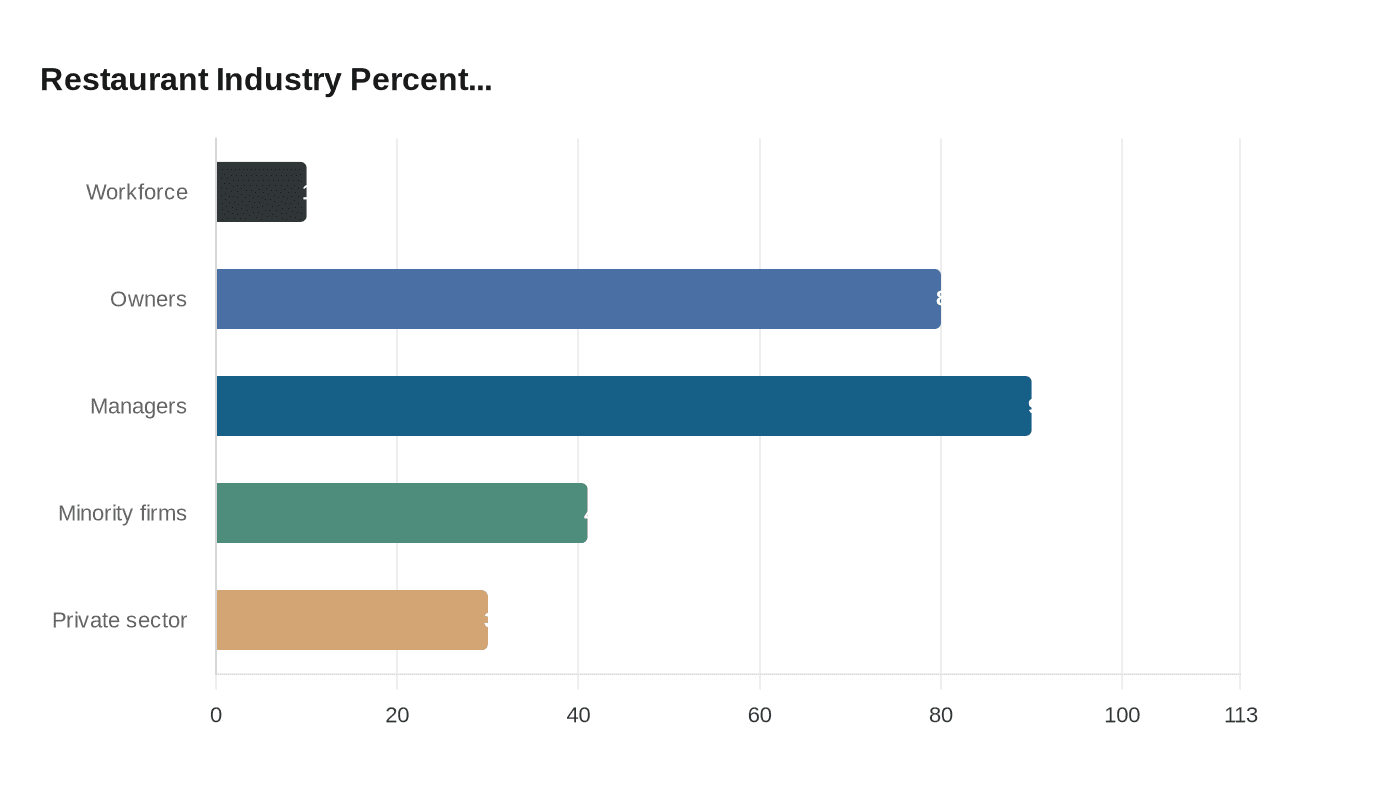
That message landed as the association framed its workforce push at the 2026 National Restaurant Association Show in Chicago. The numbers it is using are meant to be more than marketing. The association says restaurants employ 10% of the U.S. workforce and that for nearly half of adults, restaurants were their first job. Its career-pathways platform says the underlying data and visualizations come from Lightcast under contract to the National Restaurant Association Educational Foundation and the association itself.

For workers, the key question is whether those pathways are real enough to plan around. In restaurants, the ladder is visible to people on the line and on the floor, but it is not always clearly marked. The association says 8 in 10 restaurant owners started in entry-level positions and 9 in 10 restaurant managers did too, which supports the idea that kitchens and dining rooms can be training grounds for leadership, not just stopgaps between better jobs. It also says the industry is investing in manager development, training, credentials and digital fluency.
The problem is that the job ladder still starts from a low rung. The U.S. Bureau of Labor Statistics says food preparation and serving occupations had a median annual wage of $34,130 in May 2024, with about 2.6 million openings a year expected on average from 2024 to 2034 because of growth and replacement needs. That is the reality behind the slogan. Restaurants can offer movement, but workers still have to decide whether the pace of advancement, the pay and the training justify staying long enough to climb.
The association is also leaning on a diversity argument. It says restaurants employ more female managers and more minority managers than any other sector in the economy, and its statistics page says 41% of restaurant firms are owned by minorities, compared with 30% of businesses in the overall private sector. For an industry that has long relied on high turnover, that matters because retention is tied to who can see a future beyond the first shift.
The broader labor market still explains why the pitch is so urgent. FRED shows leisure and hospitality employment at 16.1 million in April 2026, underscoring how many workers restaurants and related businesses are trying to keep. The industry’s challenge is not proving that entry-level jobs exist. It is proving that enough of them lead somewhere worth staying for.
Know something we missed? Have a correction or additional information?
Submit a Tip