Restaurant Show spotlights robots, AI tools as labor stays tight
Robots, AI assistants and voice tools filled Restaurant Show, but the real sell was leaner labor: safer stations for some, fewer hands for everyone else.
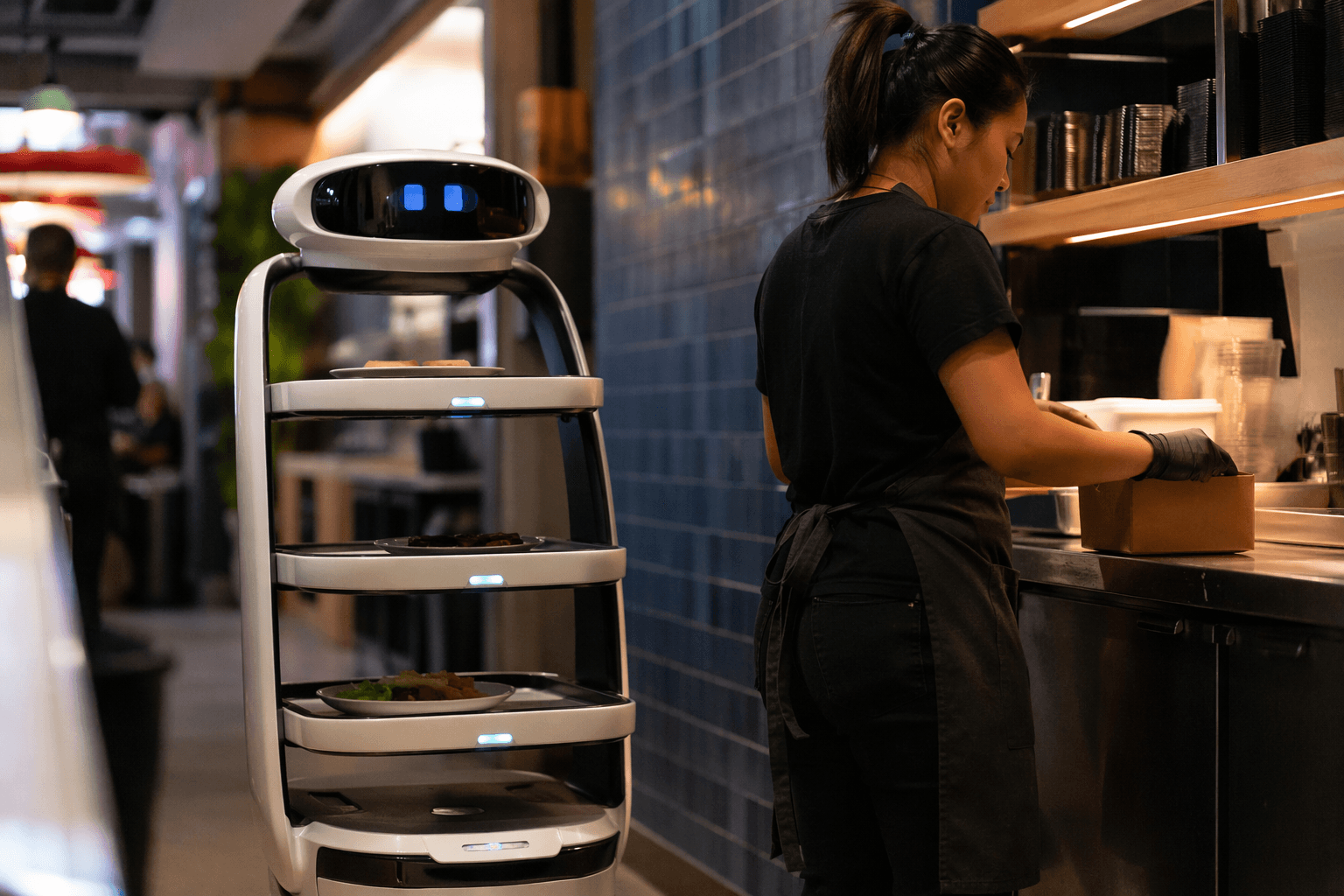
The floor at Restaurant Show was packed with robots, AI assistants, drones and voice tools, but the bigger pitch was blunt: restaurants are still trying to do more with less while labor stays tight and costs stay high.
That matters most on the line. A robot that takes over dangerous, repetitive frying could pull cooks away from the hottest, messiest part of the shift. A kiosk that cuts down on order-entry chaos could spare hosts and counter staff from ringing in mistakes while the lobby is stacked. But the same tools can also become a justification for leaner staffing, with fewer prep hands, fewer runners and less backup when the rush hits.
Robots were not everywhere yet, and no one was pretending they were. Still, several operators said the cost has to come down before automation becomes routine, and some believe that moment is close enough to matter. A Miso Robotics executive said Flippy, the company’s automated fry cook, can cost about $75,000, plus service and software. Some operators are already comparing that price tag with the cost of an employee, a calculation that tells you exactly where the pressure is coming from.
AI assistants were pitched in a similarly practical way. The tools are meant to alert managers to stock shortages or unexpected traffic spikes, which could help a shift team react before a problem turns into a ticket time pileup or a blown prep list. In the best case, that means a manager sees the warning and adds labor or changes the plan. In the worst case, the alert just becomes another dashboard nobody has time to act on.

The event also showed plenty of skepticism. Some operators said they are tired of AI hype and wary of tools that are overpromised and underdelivered. Workers should be just as cautious. The real question is not whether a machine can fry, take an order or flag a shortage. It is whether the technology makes kitchens safer and more manageable, or simply pushes the same workload onto fewer people at a faster pace. That answer will shape whether automation feels like relief or just another layer of pressure on the next shift.
Know something we missed? Have a correction or additional information?
Submit a Tip