Foodservice strikes persist into 2026, 12,500 workers affected
The Food Institute found strikes affected 12,500 foodservice workers in 2025, and almost 3,800 JBS meatpacking employees in Greeley, Colorado are set to strike in 2026.
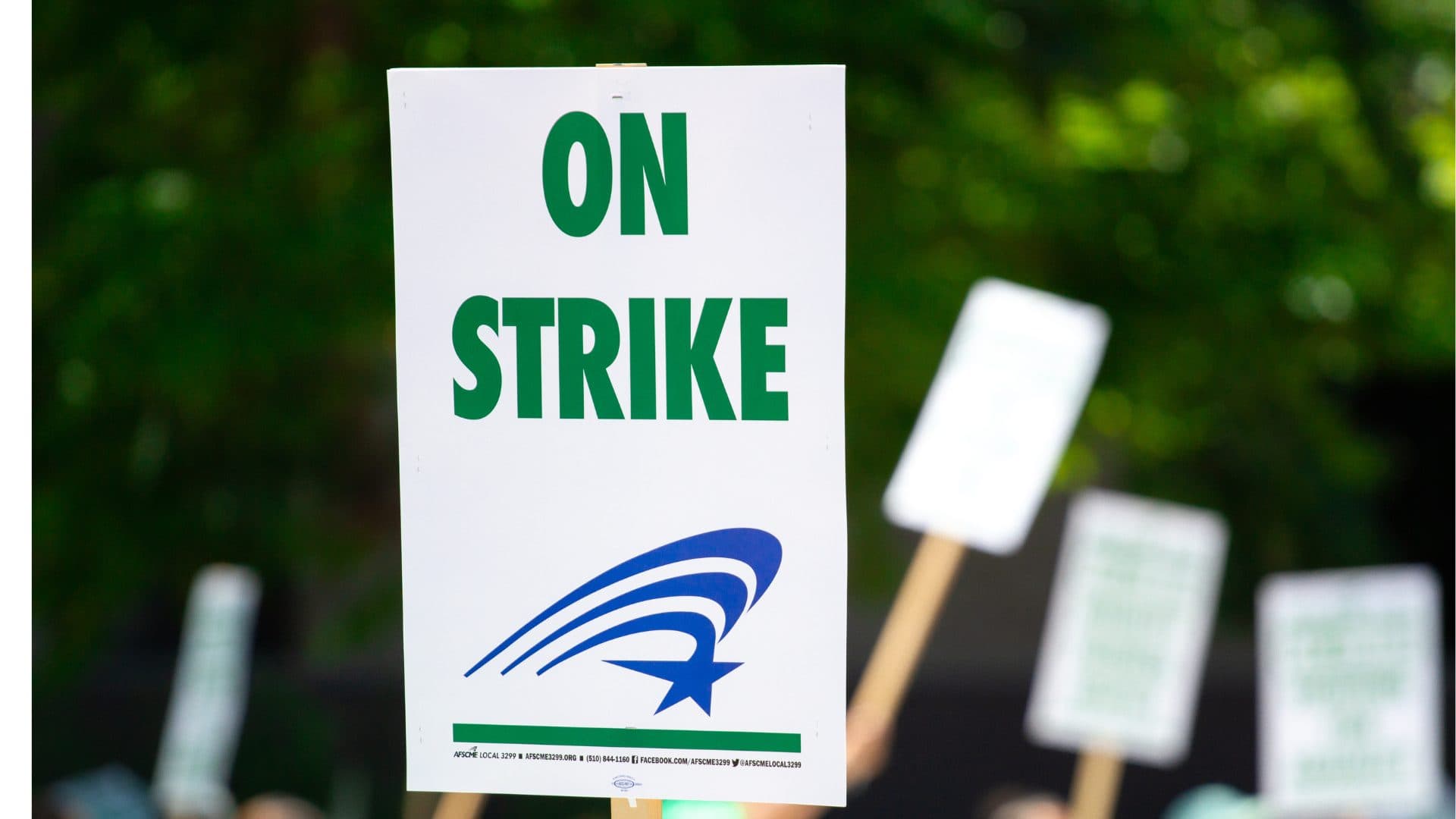
An analysis by The Food Institute, published Feb. 23, 2026 by Gabrielle Lenart, reports that strikes that surged across the food and restaurant sector in 2024–2025 are persisting into 2026, with Bureau of Labor Statistics data showing that in 2025 strikes affected 12,500 foodservice workers. The same analysis cites the Bureau of Labor Statistics in listing Starbucks and Kroger among notable companies affected in 2025.
Lenart’s piece notes two headline metrics for 2025: walkouts that year were down 23% from 2024, and 2025 walkouts cost the food industry $145.9 million. The Food Institute frames those numbers alongside the BLS attribution for the 12,500 figure and aggregates recent strike activity, labor filings, and government data to argue that the sector remains under labor pressure despite the year-over-year decline in walkouts.
The Food Institute also highlights a concrete, ongoing labor dispute in Greeley, Colorado: Just Food reporting, cited in the analysis, says almost 3,800 workers at a JBS meatpacking plant are set to strike, with the UFCW Local 7 Union filing multiple unfair labor practices during bargaining. The Greeley story remains open-ended in public reporting: the walkout plan is to be made "at a later date," according to the item cited by The Food Institute.
Labor scholar Todd Vachon, director of the Labor Education Action Research Network (LEARN), provided the analysis that frames these actions. Vachon told The Food Institute: "Strikes happen for many reasons, often related to wages, hours, and working conditions, including pay, scheduling, staffing levels, and workplace safety concerns. Together, those are generally referred to as economic strikes." He added contextual clarity on legal-motive strikes: "A second type of strike is an unfair labor practice strike, when workers go on strike because they feel the employer has violated labor law, and they are seeking a remedy."
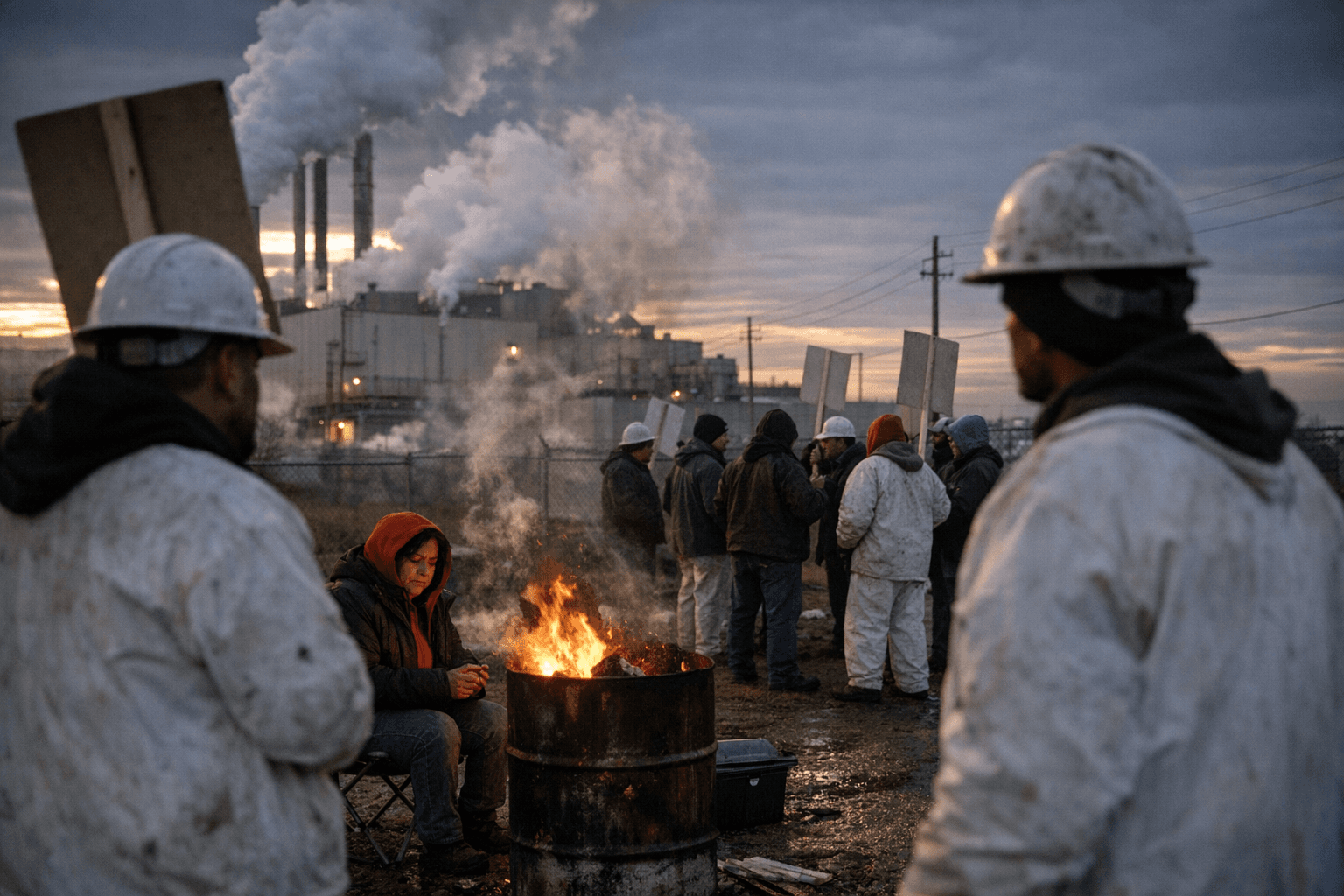
Vachon offered further distinctions that map to the JBS/Greeley filing and the broader 2024–2026 surge: "Some strikes are open-ended, meaning the workers stop operations and refuse to return to work until their demands are met or some compromise is reached regarding the demands." He also flagged a tactical lever for service-sector walkouts: "In service-facing industries, such as food and beverage, customer perception can be a real point of leverage for striking workers."
The Food Institute article includes a section header titled "How F&B Leaders Can Prevent Further Strikes," though the supplied excerpt does not include the recommended steps. With BLS figures, the $145.9 million 2025 bill, and active unfair labor practice filings such as those lodged by UFCW Local 7 in Greeley, the reporting suggests foodservice operators and suppliers should expect sustained labor friction into 2026.
Know something we missed? Have a correction or additional information?
Submit a Tip