Hangzhou restaurant suspended after solo diner live-streams pressure to share table
A Hangzhou diner’s live-stream of staff pressure to share a table went viral, and the restaurant was temporarily suspended after the backlash.
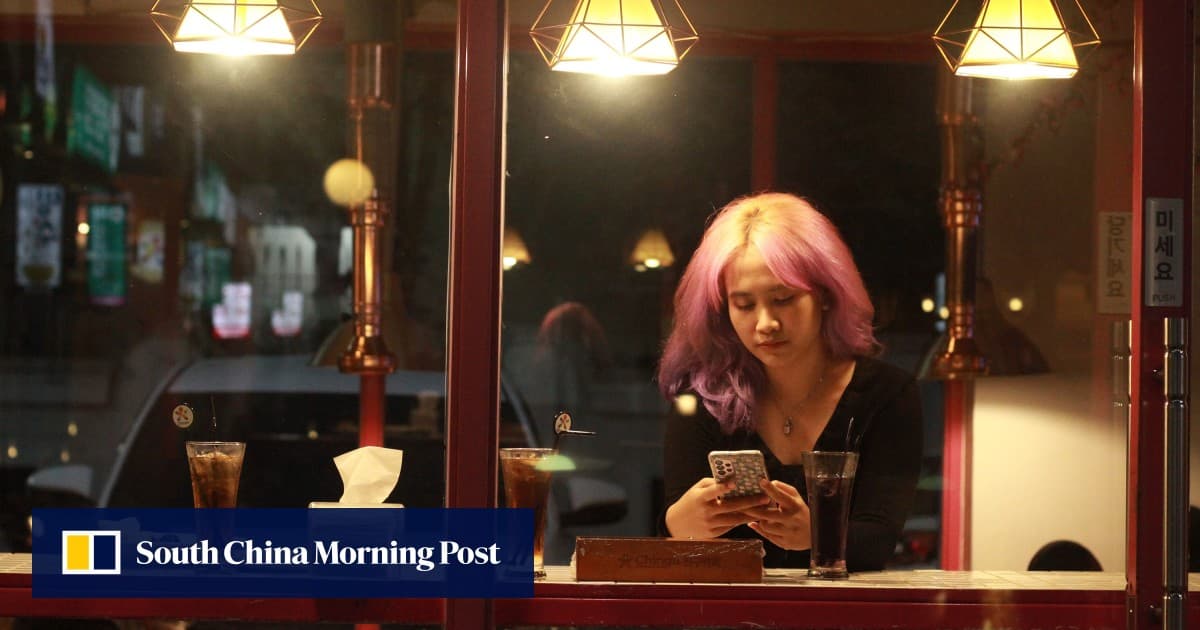
A Hangzhou restaurant was temporarily suspended after a woman dining alone live-streamed staff pressure to move to a shared table, turning a floor-level service dispute into a fast-moving public backlash. The incident spread across Chinese social media and put the restaurant under immediate scrutiny in Hangzhou, Zhejiang Province.
The woman had been dining alone when staff repeatedly urged her to join another table despite her refusals. Posts circulating online said she began broadcasting only after she felt watched, and one repost said the pressure included attempts to seat her with a male customer. In restaurant operations, that kind of insistence can come from a push to optimize table use, but it crossed a clear guest boundary and escalated once the interaction went public.
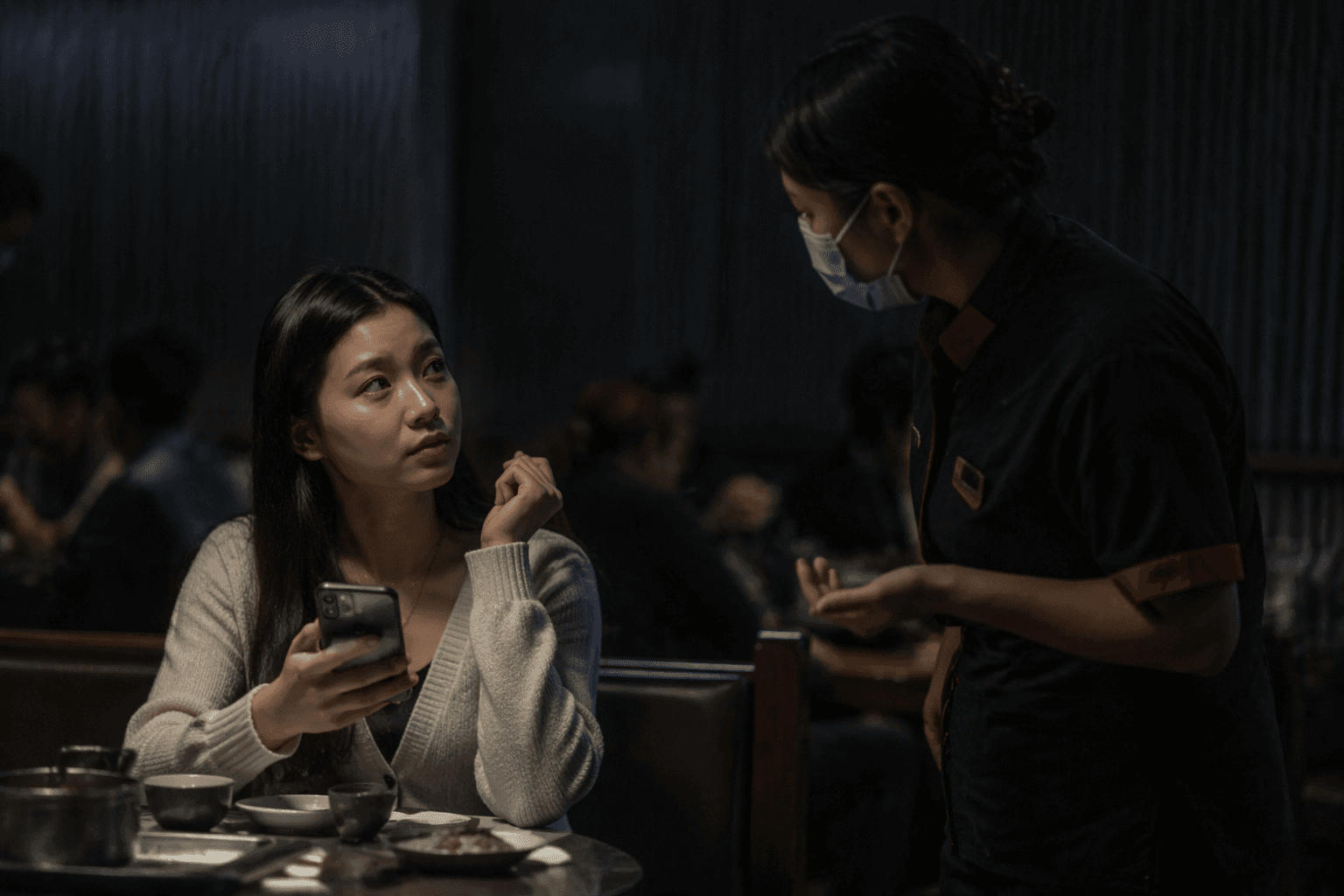
A later social-media post said local Market Supervision Office officials investigated the restaurant after the outcry. That added a regulatory layer to what started as a service problem, with the business facing not just online criticism but an official review tied to how staff handled a solo guest in the dining room.
The Hangzhou case landed in a country where solo dining has long carried social friction, and where restaurants are increasingly being judged on how they treat customers who come in alone. In November 2025, another Hangzhou restaurant faced backlash after a sign told solo diners to order at least two dishes because it “does not sell loneliness.” The online reaction to that sign, and to this live-streamed dispute, shows how quickly a customer-facing policy can become a brand and labor problem when front-line staff are left to improvise.
Hangzhou has also been in the spotlight before over public responses to harassment cases, including the city government publicizing names of metro sexual harassers. For restaurant operators, the lesson is blunt: table-sharing rules, host stand scripts, and floor supervision need to be clear enough that a lone diner is not pushed into a confrontation that can end with a suspension and a damaged business.
This article was produced by Prism’s automated news system from verified source data, official records, and press releases, then run through automated quality and moderation checks before publishing. The system is built and supervised by the people who set the standards it runs under. Read our full AI policy.
Did this article answer your question?