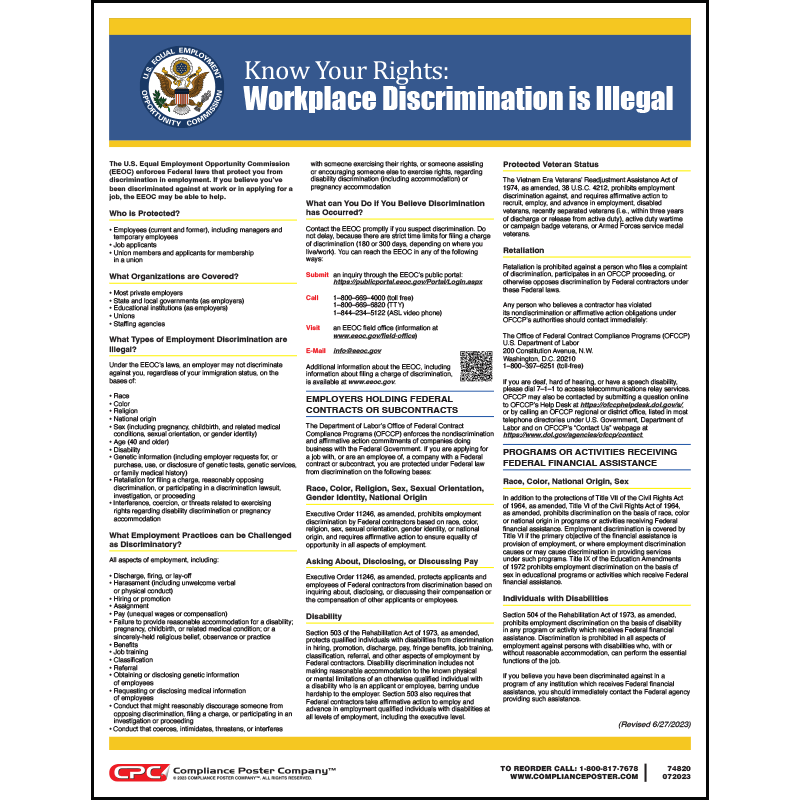
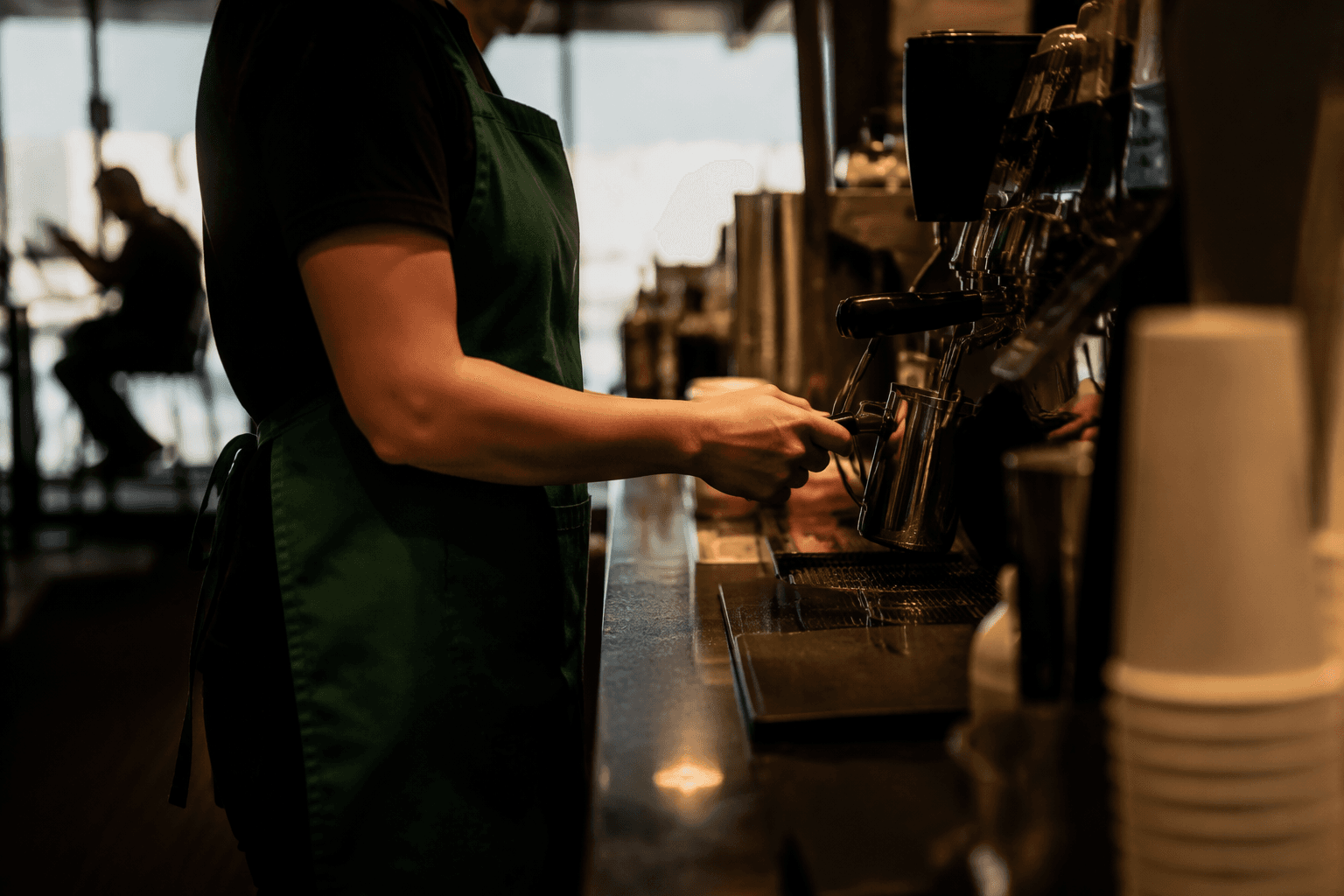
McDonald's tops global restaurant brand rankings as sector value rises
McDonald's stayed on top as the top 25 restaurant brands hit US$190.1 billion, but workers still have to ask whether that value reaches the floor.
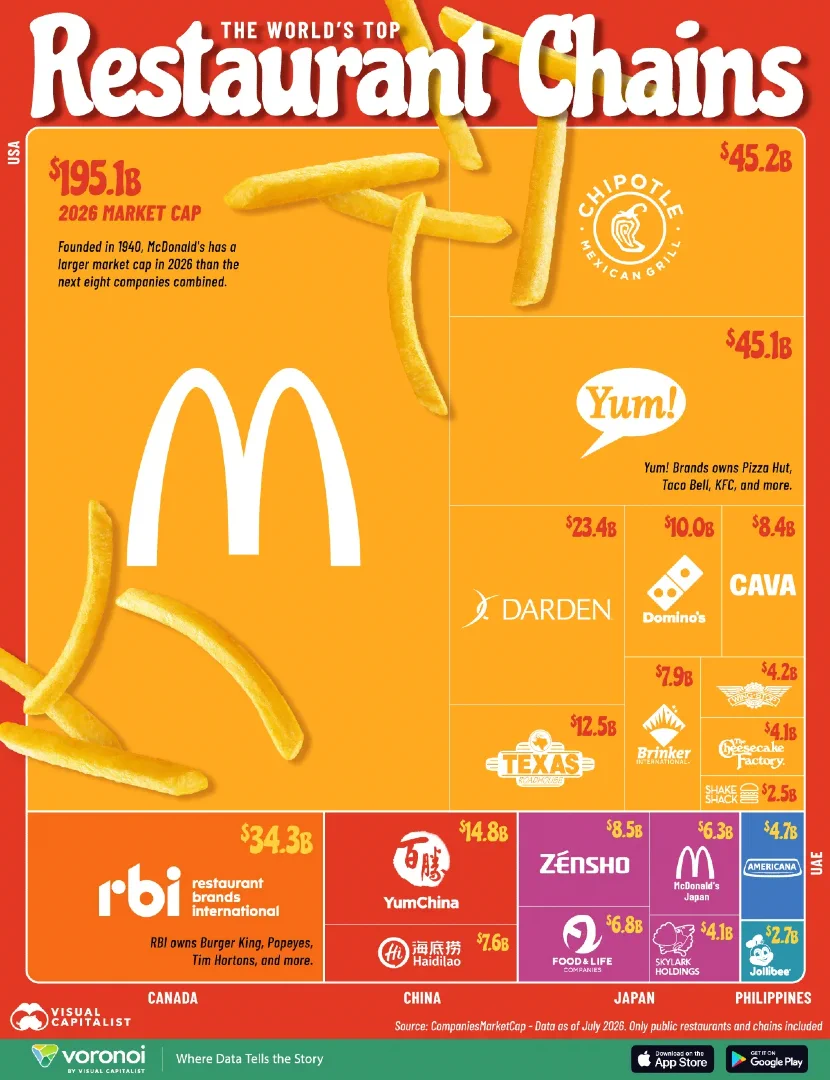
1. McDonald's at US$42.6 billion
Brand Finance put McDonald's at the top of its 2026 Restaurants 25 with a brand value of US$42.6 billion. For the people on the line, that number matters only if it comes with enough staffing, training, and maintenance to keep the rush from becoming a daily grind.
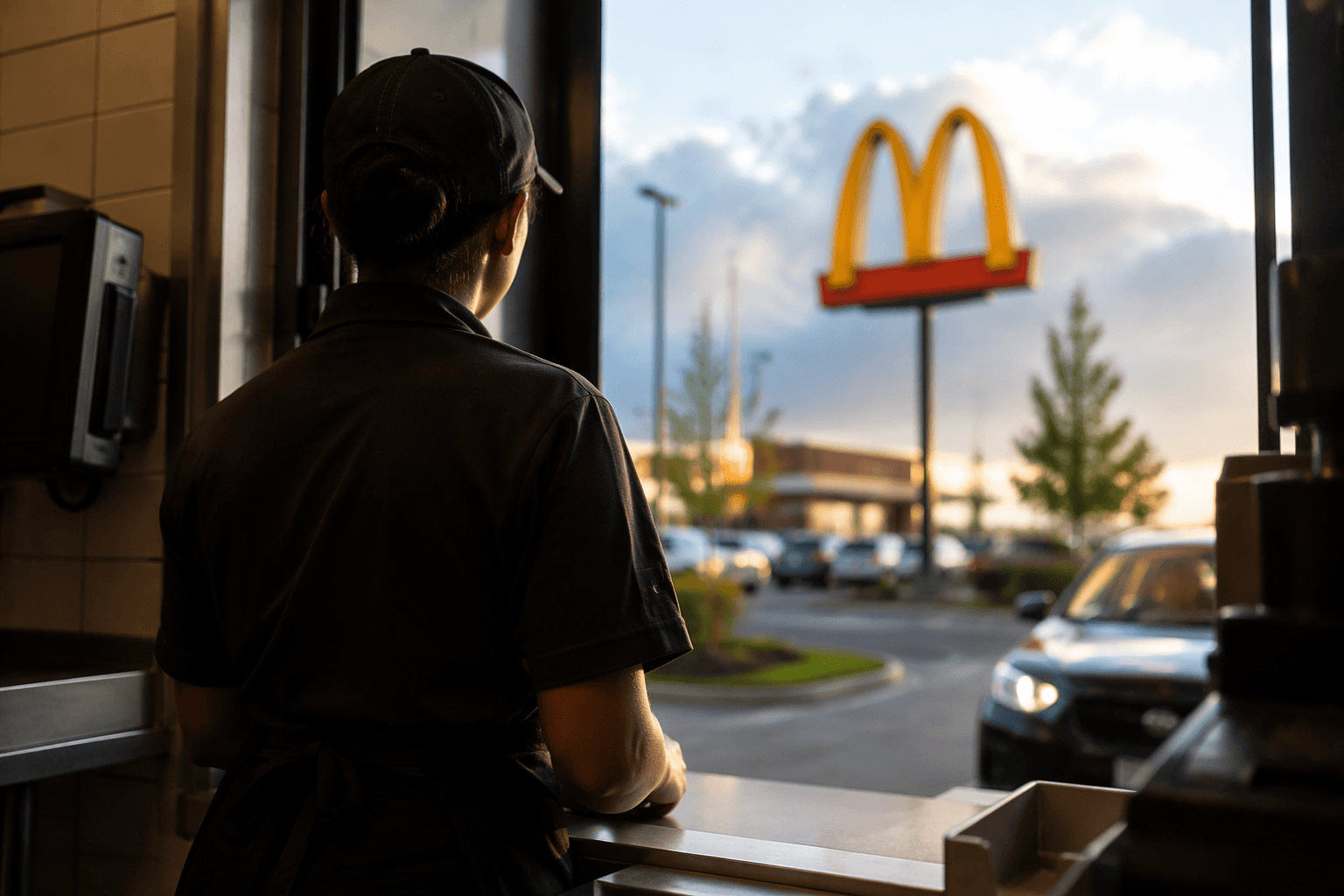
2. Starbucks at US$37.0 billion
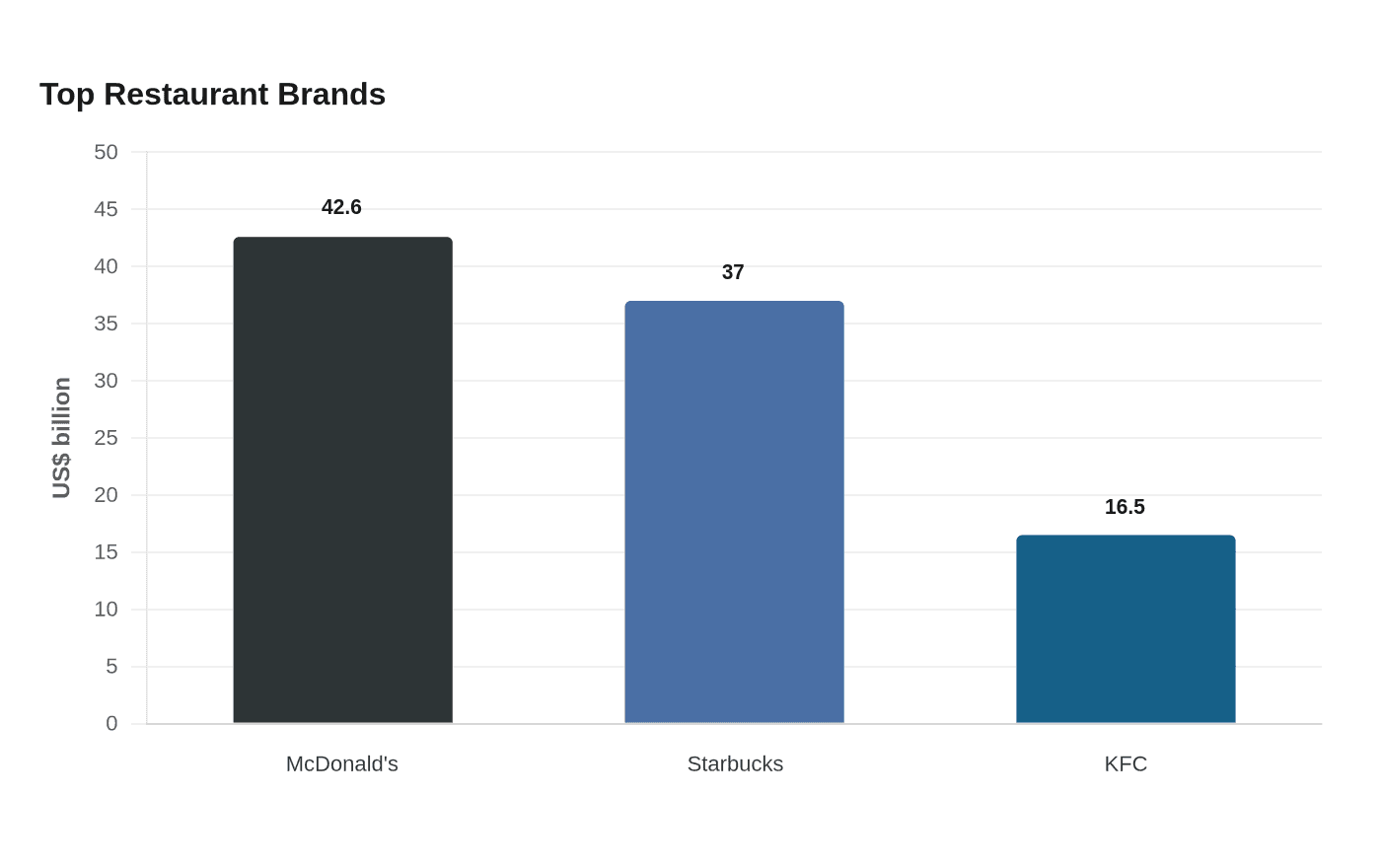
Starbucks held second place at US$37.0 billion, keeping coffee one of the sector's most powerful dayparts. That kind of valuation should buy scheduling stability and labor support, not just premium pricing at the counter.
3. KFC at US$16.5 billion
KFC stayed third at US$16.5 billion, a reminder that chicken remains one of the most durable bets in global fast food. The value is built by speed and volume, which usually means kitchen crews feel every labor shortage immediately.
4. The top three did not change
Brand Finance said the top three most valuable restaurant brands remained unchanged from the prior year. Stability at the top says a lot about how hard it is to dislodge chains that can hold traffic across markets, menus, and price points.
5. The top 25 reached US$190.1 billion
Brand Finance said the top 25 restaurant brands grew 9% year-on-year to US$190.1 billion in 2026. That is a striking amount of investor confidence, but the work behind it still happens in stores where crews need more than a brand halo.
6. McDonald's pulled ahead of Starbucks in 2025
In Brand Finance’s 2025 valuation, McDonald’s rose to US$40.5 billion, up 7% in 2024, and overtook Starbucks for the first time in nearly a decade. Starbucks came in second at US$38.8 billion, showing how quickly the market can reprice even the biggest names.
7. McDonald's posted a 7% rise
Brand Finance said McDonald’s brand value was up 7% in 2024. Gains like that usually reflect steady demand and pricing power, but workers feel the difference only if management turns that momentum into better labor budgets and less chronic understaffing.
8. McDonald's kept the QSR 50 crown
QSR Magazine said McDonald’s remained atop the QSR 50 pack for more than two decades. That kind of staying power is rare in restaurants, where traffic shifts, wage pressure, and food costs can shake up the field fast.
9. McDonald's, Starbucks, and Chick-fil-A led growth
QSR Magazine’s 2025 QSR 50 report showed McDonald’s, Starbucks, and Chick-fil-A leading growth among fast-food chains. Growth at that level usually means more openings, more shifts, and more pressure to keep service standards from slipping.
10. Chick-fil-A’s store economics stayed strong
QSR’s Best Brands to Work For in 2025 said Chick-fil-A volumes remained north of $9 million per location for traditional restaurants. That kind of volume can support better labor if it is shared with crews, but it can also mean a brutal pace if staffing stays thin.
11. Chick-fil-A’s owner-operator model still matters
QSR Magazine has said Chick-fil-A’s local owner-operator model is central to how the company serves others. For workers, that means the day-to-day experience can vary sharply by operator, even inside the same national brand.
12. Jollibee carried Southeast Asia into the top tier
Brand Finance said Jollibee flew the flag for Southeast Asia in the Restaurants 25. That matters because it shows a regional brand can turn local loyalty into global brand value, not just a U.S.-born chain.
13. Jollibee’s value jumped 32%
Additional Brand Finance coverage said Jollibee’s brand value jumped 32% to US$3.3 billion and placed it 18th. Growth like that is a strong signal of consumer pull, but the real test is whether expansion keeps pace with training and staffing.
14. Malaysia shows how far the brands reach
QSR Magazine highlighted McDonald’s location in Malaysia as evidence of the brand’s global footprint. When a chain has that kind of reach, the brand value reflects far more than one country’s breakfast rush.
15. China and the United Kingdom help define the global map
The restaurant-brand race is shaped by markets such as China and the United Kingdom, where global chains build familiarity and scale. International presence matters because it spreads risk, broadens demand, and gives a brand more places to weather a slowdown.
16. Everyday relevance is part of the valuation
Brand Finance said everyday relevance continues to drive value. In restaurant terms, that means brands that own breakfast, lunch, coffee, and late-night traffic have an edge over concepts that depend on one peak period.
17. Pricing power sits at the center of brand value
Brand value is also a proxy for pricing power. If customers keep paying, the company protects margins, but workers know the benefit only reaches them if management chooses to share it through wages and hours.
18. Scale remains the biggest moat
The biggest names keep landing at the top because scale still matters. Large systems can buy better, market harder, and move faster, but on the floor scale can also turn into standardized labor plans that leave little room for local needs.
19. International presence makes the rankings stick
Brand Finance’s top tier reflects brands that can win in multiple countries at once. That kind of reach helps a company keep its value high even when a single market sees slower traffic or weaker consumer spending.
20. Starbucks’ slip showed how fast value can move
Starbucks fell to second place in the 2026 ranking at US$37.0 billion after being overtaken by McDonald’s in the earlier valuation. For baristas, that shift is a reminder that premium positioning alone does not guarantee staying power if labor and traffic pressures keep building.
21. These chains are not tip-dependent businesses
The brands at the top of this ranking are mostly counter-service and quick-service systems, not full-service dining rooms built on tip pools. That makes hourly wages, overtime rules, and predictable scheduling the real paycheck issues, not the tip math that dominates other corners of restaurants.
22. Front-of-house and back-of-house fairness still matters
Fast-food giants can hide pay inequity behind a uniform menu, but the work still splits between order taking, prep, grill, drive-thru, and cleaning. The fairness question is whether the hardest stations are compensated like the easiest ones.
23. Burnout is still the hidden cost of growth
High brand value does not erase burnout, turnover, or the strain of running lean through lunch and dinner peaks. When a brand keeps growing, the pressure often lands on the people covering breaks, keeping lines moving, and fixing the mess left by a rush.
24. Development plans only matter if they bring enough labor with them
QSR Magazine said McDonald’s had begun to ramp up development even with challenged traffic trends. New stores can create jobs, but they also raise the bar on training, staffing, and manager support if the company wants those units to work without burning people out.
25. Prestige is not the same as frontline job quality
A US$190.1 billion top 25 says the sector still has enormous investor appeal, but that valuation does not tell you much about crew schedules, wage floors, or whether a store can keep enough people on the clock. The real measure for restaurant workers is whether the brand value shows up in steadier shifts, safer kitchens, and pay that keeps pace with the work.
This article was produced by Prism’s automated news system from verified source data, official records, and press releases, then run through automated quality and moderation checks before publishing. The system is built and supervised by the people who set the standards it runs under. Read our full AI policy.
Did this article answer your question?