How Restaurant Workers Can Report Wage Theft, Child Labor, Harassment, Safety Violations
A practical, step-by-step guide for restaurant staff to document and report wage theft, child-labor violations, harassment, and unsafe conditions, and where to get help.
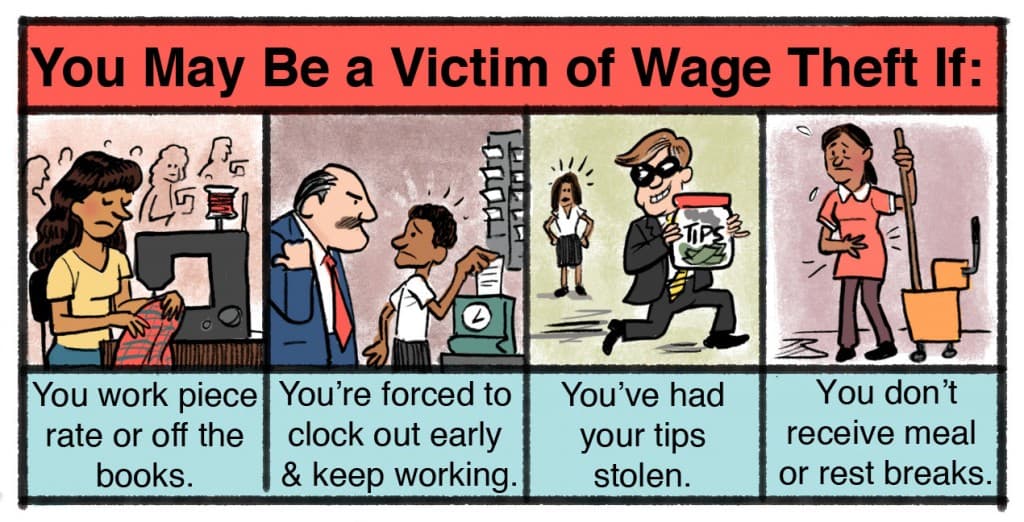
Purpose and scope: “Purpose and scope: This evergreen guide is intended as a practical, step‑by‑step resource for restaurant employees (front‑of‑house and back‑of‑house) who believe their employer has violated labor laws: wage and hour violations (unpaid wages or overtime), misappropriated service fees/tips, child‑labo” — this article uses that framework to walk you through what counts as a violation, what you can do right now, and who enforces the rules.
What counts as a violation This guide covers the explicit problems named in the source: “wage and hour violations (unpaid wages or overtime), misappropriated service fees/tips, child‑labor violations,” plus harassment and unsafe working conditions that affect your ability to work. If you suspect any of these problems, treat them as serious workplace violations: documenting them and using available agencies can recover pay and stop ongoing harm.
Immediate steps you can take on the job Start with what you can control: “Workers can also help prevent wage theft by staying informed about their rights. Know the prevailing wage in your area, understand overtime rules, and diligently keep your own records of your hours worked.” Diligence looks like consistent notes after every shift recording clock-in and clock-out times, any unpaid breaks, and notes when you were asked to work off the clock. Keep any pay stubs, tip records, or messages about scheduling and pay. Being proactive is one of the best ways to protect your earnings and ensure employers pay what is owed.
A simple sequential checklist to document an issue 1. Write down dates, start and end times, and total hours for shifts where pay appears short. 2. Keep copies or screenshots of pay stubs, tip reports, and any communications about pay or schedules. 3. Note witnesses and managers you spoke to about the problem. 4. Save the records in at least two places, such as a phone photo and an email to yourself.
Employer-side practices that prevent disputes If you work at management or ownership level, the guide highlights concrete steps employers should take: “Restaurants should keep accurate and complete time records for all employees.” Train supervisors so they understand that “Managers should be trained on wage and hour laws, including rules for overtime and off-the-clock work.” The guide also recommends that restaurants adopt clear policies and technology: “Having clear, written policies and using a reliable payroll system can help prevent errors and disputes over employee wages.” Those practices protect workers and honest operators alike.
- “The Department of Labor's Wage and Hour Division enforces federal labor laws.”
- “State labor departments can assist with violations of state-specific wage laws.”
- “Worker centers and labor rights organizations offer advocacy and support.”
- “Legal aid societies may provide free legal advice and representation to low-income workers.”
- “An employment lawyer or a specialized law firm can help you file a wage claim or lawsuit to recover unpaid earnings.”
Where to report and who enforces the rules
“If you are dealing with unpaid wages, you do not have to face it alone. There are many resources available to provide information and support. These organizations are dedicated to helping workers secure their rightful pay.” Key enforcement and support channels include:
How to choose where to go first Start with the agency that has jurisdiction. For unpaid wages and overtime, the Department of Labor's Wage and Hour Division handles federal claims while state labor departments handle state-level wage law issues. Worker centers and labor rights organizations can help you prepare material and often provide intake in person or in community languages. If you need legal representation and cannot afford a lawyer, “Legal aid societies may provide free legal advice and representation to low-income workers.” If you consider suing or a complex claim, an employment lawyer or a specialized law firm can assist with filing a wage claim or lawsuit to recover unpaid earnings.
Language access and free evaluations “Some of these resources can provide assistance in multiple languages, making them accessible to a wider range of workers.” If you need an initial legal review, note the advisory line from the source: “Need a free case evaluation? Do not hesitate to reach out to us if you believe your rights have been violated. Seeking help is a sign of strength and an important step toward justice.” Before acting on any “free case evaluation” offer, confirm who “us” refers to so you know whether you are contacting a nonprofit legal aid office, a worker center, or a private law firm.

Harassment, child-labor violations and unsafe conditions: parallel channels The primary source focuses on unpaid wages, but the title and scope include other violations. For harassment and discrimination, civil rights agencies and the Equal Employment Opportunity framework usually handle claims; for child-labor violations, state labor departments and federal child-labor enforcement are the right channels. For unsafe conditions, workplace safety agencies enforce standards. Use the same documentation habits described above and report to the appropriate agency listed under “Here are some resources that can help,” starting with the federal and state authorities and seeking help from worker centers as needed.
What to expect when you file a claim Expect process and paperwork rather than instant restitution. The guide’s resource list shows who can help: federal and state agencies, worker centers, legal aid, and private lawyers. Keep in mind that timelines, forms, and required evidence vary by agency and state; the source notes that “State labor departments can assist with violations of state-specific wage laws,” which means you should confirm the exact filing steps and deadlines with the agency in your state.
The broader impact beyond individual cases “Unpaid wages for restaurant workers is not just a problem for individual employees. It has broader negative impacts on the industry and society as a whole. When some employers do not pay fair wages, it creates an uneven playing field for honest businesses that follow the law.” That sentence captures why enforcement matters: recovering wages is personal payback and a way to protect fair operators who compete honestly.
- Document every suspected violation, using the sequential checklist above.
- Ask management for written policies and a payroll printout; “Having clear, written policies and using a reliable payroll system can help prevent errors and disputes over employee wages.”
- Contact worker centers or legal aid for intake if you cannot navigate agency forms alone.
- File with the Department of Labor's Wage and Hour Division or your state labor department if the issue involves unpaid wages or overtime.
- Confirm language services if you need help in a language other than English: “Some of these resources can provide assistance in multiple languages.”
Practical next steps and an actionable checklist
Gaps to verify and information to collect before publication This guide preserves the core recommendations in the source, but some operational details are missing in the material provided: exact filing forms, agency phone numbers and URLs, statutes of limitation, and step-by-step filing instructions for child-labor, harassment, and safety complaints. Before you file, consider calling a worker center or legal aid office to get those jurisdiction-specific details.
Final note If you suspect wage theft, a short, daily habit of recording hours and saving pay-related documents materially improves your chance of recovery: “Workers can also help prevent wage theft by staying informed about their rights. Know the prevailing wage in your area, understand overtime rules, and diligently keep your own records of your hours worked.” Use the enforcement and support channels listed here to move from documentation to action; recovering pay is both an individual victory and a collective step toward a fairer restaurant industry.
This article was produced by Prism’s automated news system from verified source data, official records, and press releases, then run through automated quality and moderation checks before publishing. The system is built and supervised by the people who set the standards it runs under. Read our full AI policy.
Did this article answer your question?