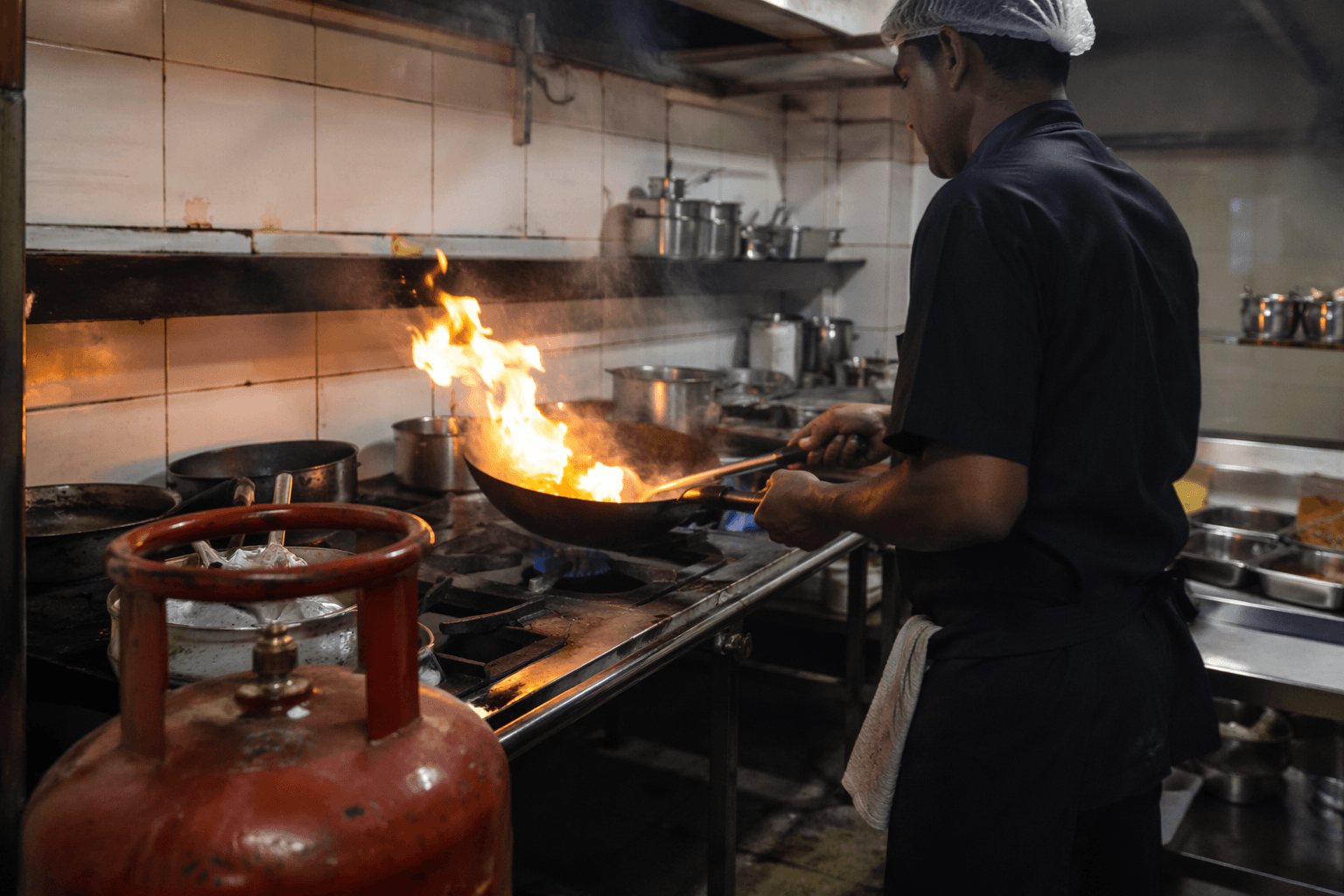
Independent restaurants warn 2026 politics could squeeze workers' hours and pay
Independent restaurants said swipe fees, delivery commissions and immigration pressure could hit the schedule book first, cutting hours, raises and hiring. The stakes include more than $187 billion in card fees.
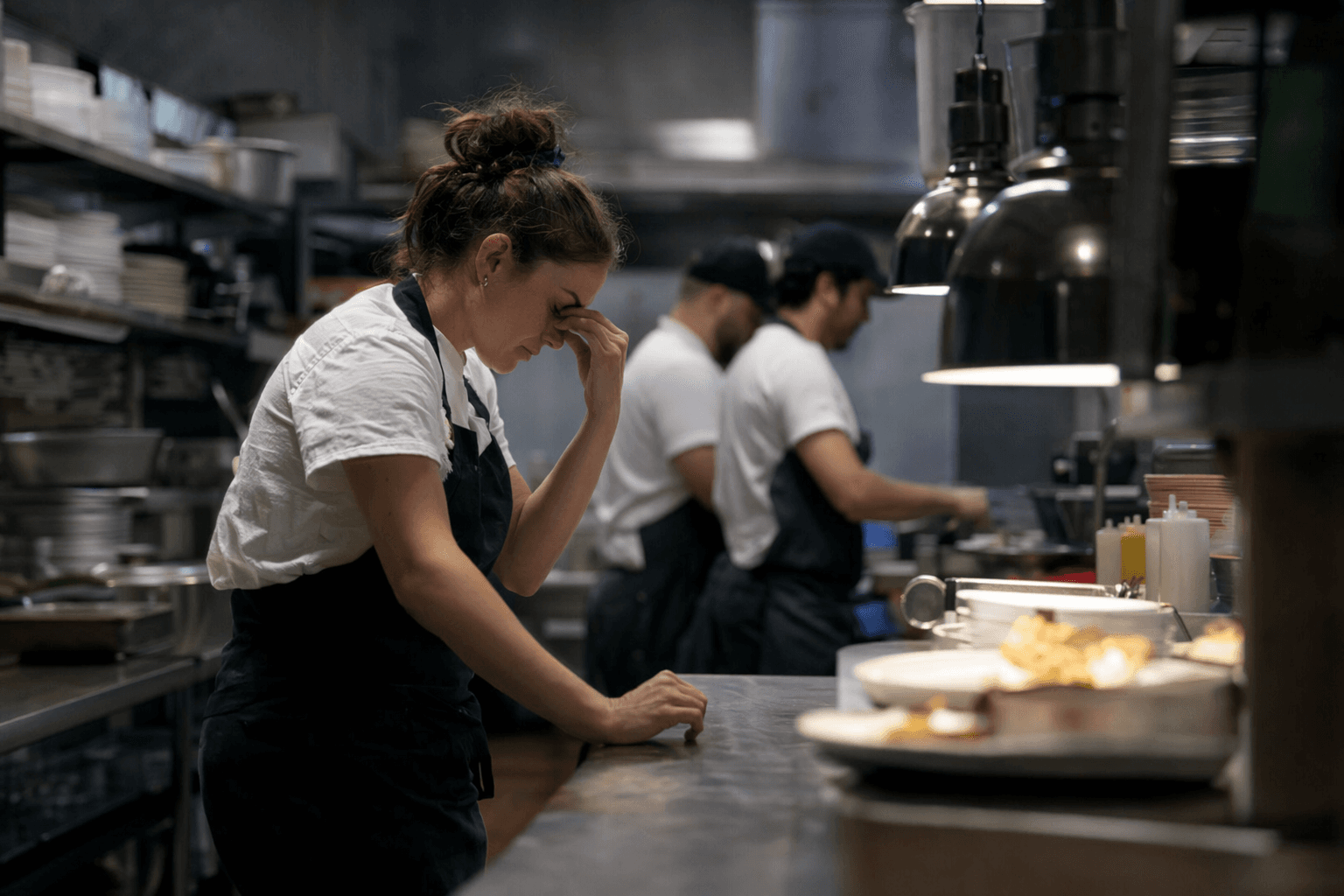
Independent restaurants warned that the 2026 political fight will reach the schedule board before it reaches the balance sheet. Rising rents, opaque delivery commissions, escalating insurance costs and unchecked credit card swipe fees were squeezing the margins that pay for hours, hiring and the raises workers wait on.
The Independent Restaurant Coalition said those pressures were not abstract policy debates. It argued that independent operators need stability to plan, hire and invest in their teams, but they face little market power when negotiating with large platforms and landlords. When delivery commissions climb or swipe fees take a bigger bite, the first fixes often show up on the floor: fewer shifts, leaner staffing, slower hiring and smaller wage increases.
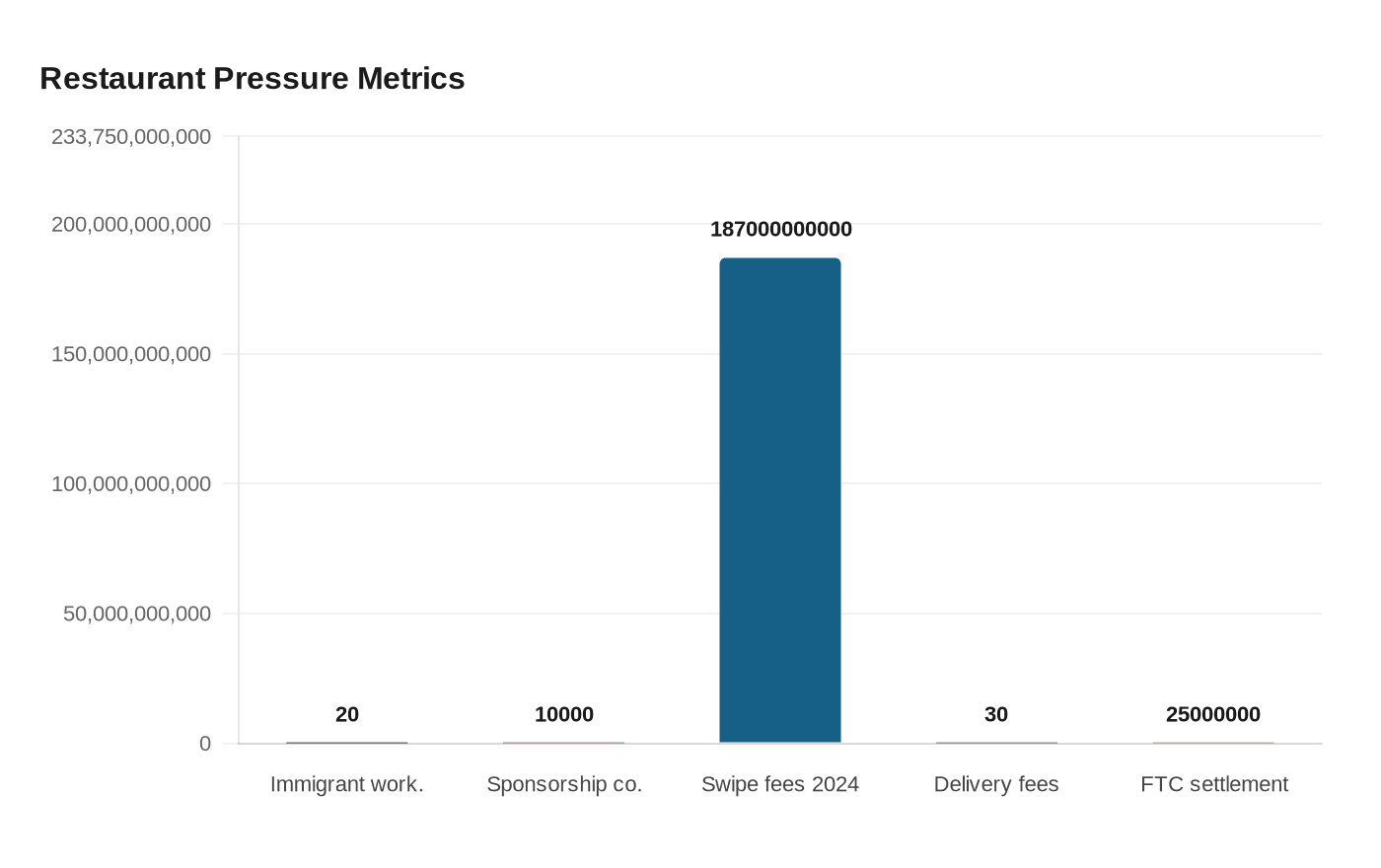
Immigration enforcement also sat at the center of the fight. The coalition said restaurant staffing is unusually sensitive to labor availability, especially in kitchens and other back-of-house jobs. More than 20% of U.S. restaurant and foodservice workers are immigrants, and the coalition has said sponsorship costs can exceed $10,000 per employee. For independents, that is a steep cost. For workers, it can mean a tighter labor pool, more burnout for the people who stay, and more pressure on cooks and dishwashers to cover gaps.
The National Restaurant Association had already made similar issues central to its February 2026 federal agenda, putting immigration reform, the Credit Card Competition Act and a strong USMCA renewal at the top of its list. The association said swipe fees cost U.S. businesses more than $187 billion in 2024 when debit cards were included, have more than doubled over the past decade and are up more than 50% since 2020. It also said credit card processing is the third-largest operating expense for restaurants, behind food and labor. That is why card fees are not just an accounting gripe. They compete directly with payroll dollars.
Delivery platforms bring their own pressure. In 2023, DoorDash, Uber Eats and Grubhub charged commissions ranging from 5% to 30%, a spread that pushed many restaurants to raise delivery prices or trim menus to protect margin. Regulators have also kept the sector under scrutiny: in December 2024, the Federal Trade Commission and Illinois Attorney General Kwame Raoul announced a $25 million settlement with Grubhub, and in April 2026 the FTC opened a public comment period on unfair or deceptive fee practices in online food and grocery delivery services. For restaurant workers, the politics behind those fees can end up looking very familiar on the clock: fewer hours, tighter staffing and more work squeezed into the same shift.
This article was produced by Prism’s automated news system from verified source data, official records, and press releases, then run through automated quality and moderation checks before publishing. The system is built and supervised by the people who set the standards it runs under. Read our full AI policy.
Did this article answer your question?