Starbucks to cut 300 corporate jobs, close regional support offices
Starbucks is cutting 300 corporate jobs and closing support offices even as U.S. sales climb, a sign store teams could still feel the squeeze from above.
Starbucks is cutting 300 U.S. corporate jobs and closing some regional support offices, a move that will not touch coffeehouse employees on paper but could still ripple into training, scheduling, HR response times and labor planning in stores.
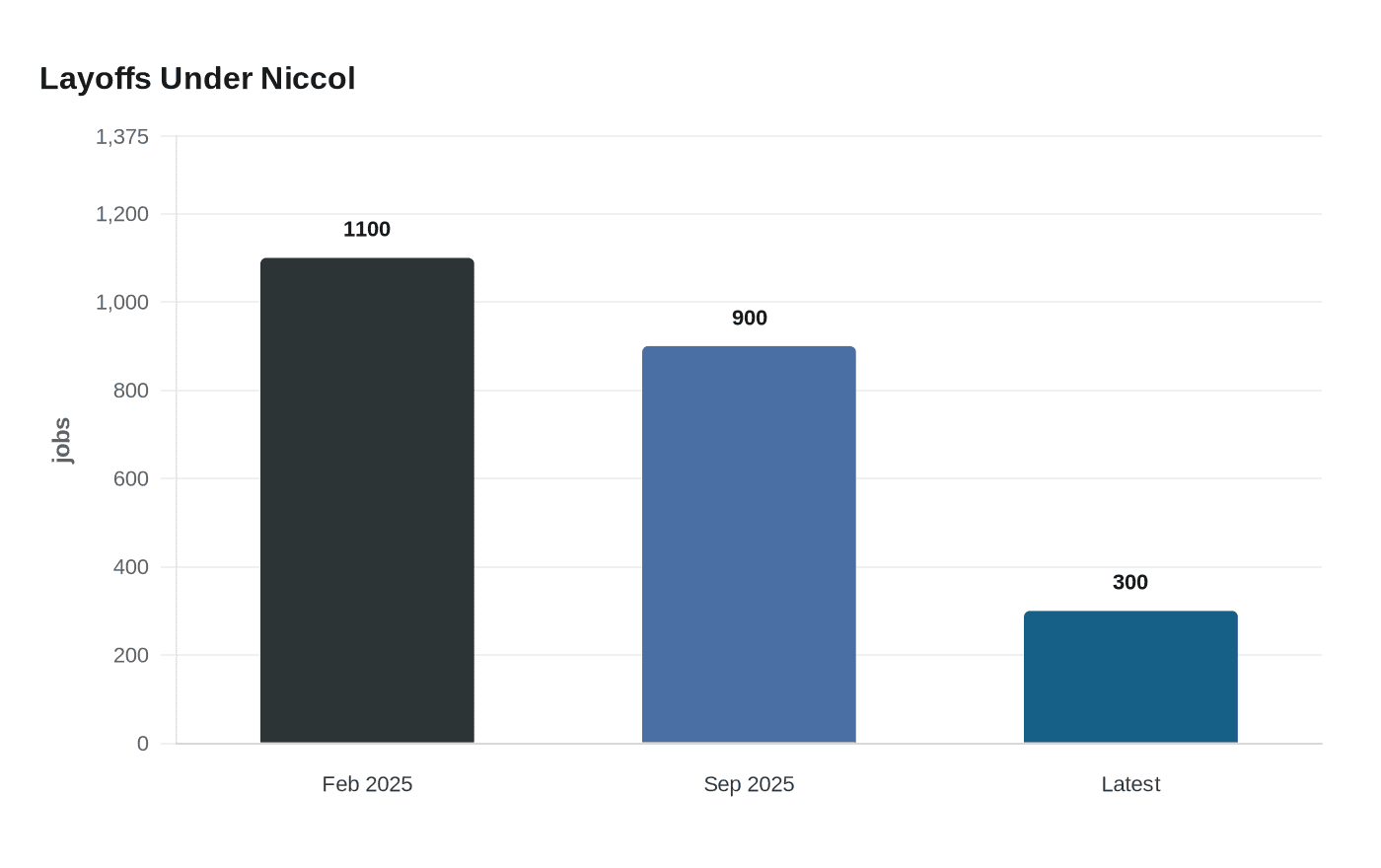
The company said the latest restructuring will bring $400 million in charges, including $280 million in noncash impairment charges and $120 million in cash costs tied to the job cuts. It is the third round of layoffs under Chief Executive Brian Niccol, following a February 2025 move that eliminated 1,100 support partner roles and several hundred open positions, and a September 2025 restructuring that cut about 900 more nonretail jobs and included some North American store closures.

Starbucks has spent much of the past year shrinking and reshaping the corporate side of the business. In a June 4 memo, the company said it was simplifying its structure, removing layers and duplication, and creating smaller, more nimble teams. It also raised support-office return-to-office expectations to at least four days a week and told many leaders they would need to be based in Seattle or Toronto. For restaurant workers, those changes matter because corporate support is what handles the systems behind the counter, from labor tools and rollout timelines to the speed of answers when stores run into staffing or operational problems.

The cuts come as Starbucks tries to show its turnaround is gaining traction. For fiscal second quarter 2026, the company reported U.S. comparable store sales up 7.1 percent, global comparable store sales up 6.2 percent and revenue of $9.5 billion, up 9 percent from a year earlier. Starbucks ended the quarter with 41,129 stores worldwide, including 16,944 in the U.S. and 7,991 in China.
That is the tension store managers and hourly workers will recognize: sales are improving, but the company is still pressing hard on costs. When a chain trims support offices and corporate ranks while talking up traffic gains, the pressure does not disappear. It often moves downstream, into tighter controls, leaner support and more work for the people running cafes day to day.
This article was produced by Prism’s automated news system from verified source data, official records, and press releases, then run through automated quality and moderation checks before publishing. The system is built and supervised by the people who set the standards it runs under. Read our full AI policy.
Did this article answer your question?